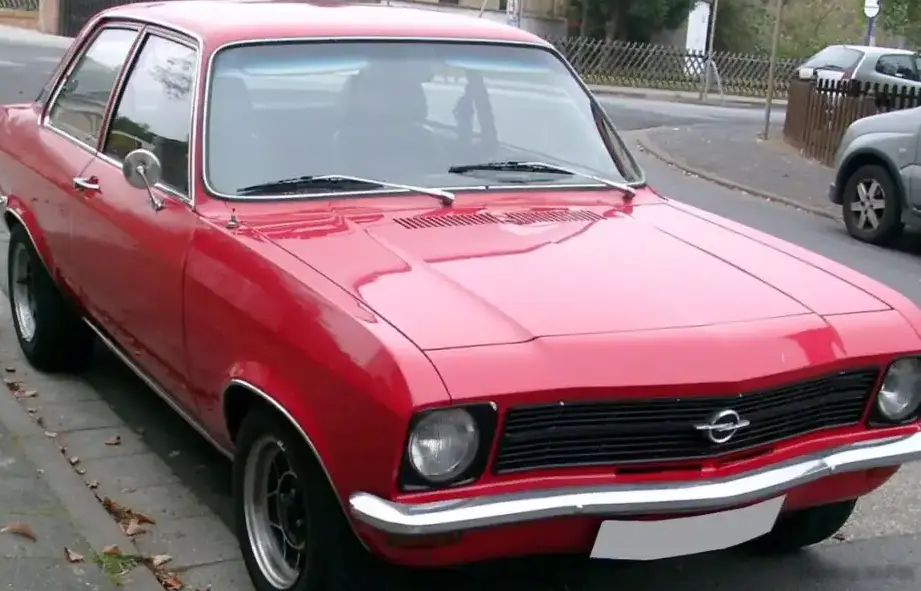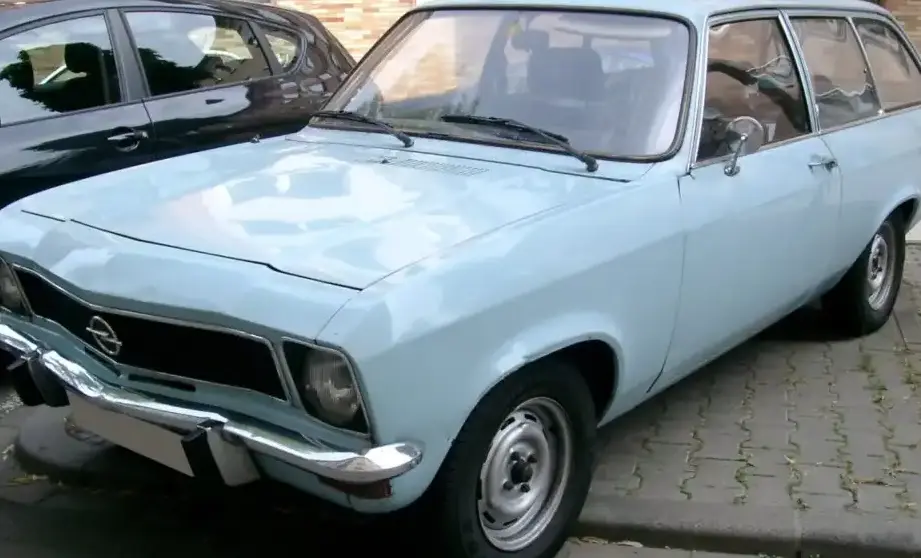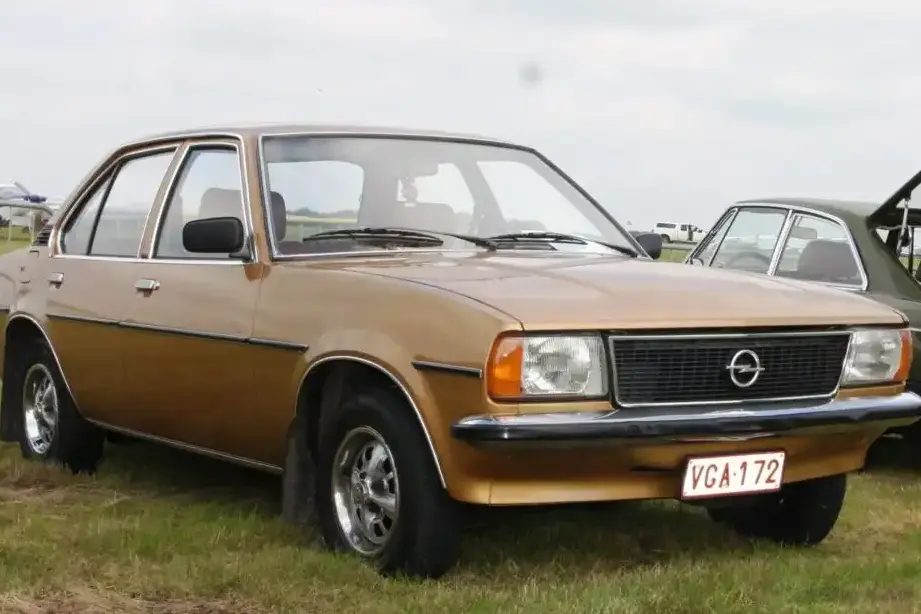
The Opel Ascona B 1.2 S, produced between 1975 and 1979, represented the entry-level offering within the broader Ascona B range. Positioned as an affordable and practical family sedan, it served as a crucial volume seller for Opel in Europe during a period of increasing fuel costs and a demand for economical transportation. The Ascona B itself was a significant model for Opel, replacing the Ascona A and forming part of the company’s mid-size lineup, competing with vehicles like the Ford Taunus and Volkswagen Passat. The 1.2 S variant, with its modest 60 horsepower, was specifically tailored for buyers prioritizing fuel efficiency and low running costs over outright performance.
Technical Specifications
| Brand | Opel |
| Model | Ascona |
| Generation | Ascona B |
| Type (Engine) | 1.2 S (60 Hp) |
| Start of production | 1975 |
| End of production | 1979 |
| Powertrain Architecture | Internal Combustion engine |
| Body type | Sedan |
| Seats | 5 |
| Doors | 2-4 |
| Fuel Type | Petrol (Gasoline) |
| Acceleration 0 – 100 km/h | 19 sec |
| Acceleration 0 – 62 mph | 19 sec |
| Acceleration 0 – 60 mph | 18.1 sec |
| Maximum speed | 142 km/h (88.23 mph) |
| Weight-to-power ratio | 14.9 kg/Hp, 67 Hp/tonne |
| Weight-to-torque ratio | 10.2 kg/Nm, 98.3 Nm/tonne |
| Power | 60 Hp @ 5400 rpm |
| Power per litre | 50.2 Hp/l |
| Torque | 88 Nm @ 2600-3400 rpm (64.91 lb.-ft. @ 2600-3400 rpm) |
| Engine Model/Code | 12S |
| Engine displacement | 1196 cm3 (72.98 cu. in.) |
| Number of cylinders | 4 |
| Engine configuration | Inline |
| Cylinder Bore | 79 mm (3.11 in.) |
| Piston Stroke | 61 mm (2.4 in.) |
| Compression ratio | 9:1 |
| Number of valves per cylinder | 2 |
| Fuel injection system | Carburettor |
| Engine aspiration | Naturally aspirated engine |
| Valvetrain | OHV |
| Engine oil capacity | 2.75 l (2.91 US qt | 2.42 UK qt) |
| Coolant | 5.1 l (5.39 US qt | 4.49 UK qt) |
| Kerb Weight | 895 kg (1973.14 lbs.) |
| Max. weight | 1320 kg (2910.1 lbs.) |
| Max load | 425 kg (936.96 lbs.) |
| Trunk (boot) space – minimum | 380 l (13.42 cu. ft.) |
| Fuel tank capacity | 50 l (13.21 US gal | 11 UK gal) |
| Permitted trailer load with brakes (12%) | 1000 kg (2204.62 lbs.) |
| Permitted trailer load without brakes | 485 kg (1069.24 lbs.) |
| Length | 4321 mm (170.12 in.) |
| Width | 1670 mm (65.75 in.) |
| Height | 1380 mm (54.33 in.) |
| Wheelbase | 2518 mm (99.13 in.) |
| Front track | 1374 mm (54.09 in.) |
| Rear (Back) track | 1374 mm (54.09 in.) |
| Ride height (ground clearance) | 130 mm (5.12 in.) |
| Drag coefficient (Cd) | 0.46 |
| Minimum turning circle (turning diameter) | 10.1 m (33.14 ft.) |
| Drivetrain Architecture | The Internal combustion engine (ICE) drives the rear wheels of the vehicle. |
| Drive wheel | Rear wheel drive |
| Number of gears and type of gearbox | 4 gears, manual transmission |
| Front brakes | Disc |
| Rear brakes | Drum |
Powertrain & Engine Architecture
The heart of the Ascona B 1.2 S was the 12S engine, a 1196cc inline-four cylinder unit. This engine utilized a relatively simple overhead valve (OHV) valvetrain and a single carburetor for fuel delivery. The 12S engine was known for its durability and ease of maintenance, but it wasn’t a powerhouse. Its 60 horsepower output at 5400 rpm and 88 Nm (64.91 lb-ft) of torque at 2600-3400 rpm were modest, even for the time. The engine’s design prioritized fuel economy and reliability over performance. The four-speed manual transmission was the standard offering, providing a straightforward driving experience. The transmission’s gear ratios were geared towards maximizing fuel efficiency and providing adequate acceleration for everyday driving.
Driving Characteristics
The driving experience in the Ascona B 1.2 S was characterized by its unhurried nature. Acceleration was slow, taking approximately 19 seconds to reach 62 mph (100 km/h). However, the car was perfectly adequate for city driving and cruising on highways, provided the driver wasn’t in a rush. The rear-wheel-drive configuration provided a balanced feel, although the relatively narrow tires and basic suspension setup limited cornering grip. Compared to the more powerful Ascona variants, such as the 1.6S or the later injection models, the 1.2 S felt significantly less responsive. The manual transmission, while simple, required deliberate shifting to keep the engine within its optimal power band. The 1.2 S was not designed for spirited driving; its strengths lay in its affordability and practicality.
Equipment & Trim Levels
The Ascona B 1.2 S was typically equipped with basic, but functional, features. Standard equipment included cloth upholstery, vinyl floor covering, and a simple dashboard layout. Power steering and electric windows were not typically offered on this base model. Options included a radio, upgraded upholstery, and a sunroof. The interior was designed for durability and ease of cleaning, reflecting the car’s intended role as a practical family vehicle. The exterior trim was minimal, with basic chrome bumpers and steel wheels with hubcaps. The overall aesthetic was functional and understated.
Chassis & Braking
The Ascona B featured a conventional chassis design with a separate body-on-frame construction. The suspension consisted of independent front suspension with coil springs and a live rear axle with leaf springs. The braking system utilized disc brakes on the front wheels and drum brakes on the rear. The braking performance was adequate for the car’s weight and power, but it lacked the stopping power of more modern vehicles. The suspension setup provided a comfortable ride, but it wasn’t particularly sporty. Stabilizer bars were not typically fitted to the 1.2 S, contributing to a slightly more pronounced body roll in corners.
Market Reception & Comparison
The Ascona B 1.2 S was generally well-received by buyers looking for an affordable and reliable family car. Critics praised its fuel efficiency and low running costs, but noted its lack of performance. Compared to the higher-spec Ascona variants, the 1.2 S offered a significantly lower price point, making it accessible to a wider range of buyers. The 1.6S, for example, offered considerably more power and a more refined driving experience, but at a higher cost. The 1.2 S also compared favorably to other entry-level sedans in its class, such as the Ford Taunus and Volkswagen Passat, in terms of price and fuel economy.
Legacy
The Opel Ascona B 1.2 S, while not a performance icon, holds a significant place in automotive history as a representative of the affordable and practical family cars of the 1970s. The 12S engine proved to be remarkably durable, and many examples are still on the road today. In the used car market, the Ascona B 1.2 S is valued for its simplicity, affordability, and classic styling. It appeals to enthusiasts looking for a nostalgic driving experience and a relatively easy-to-maintain vehicle. While parts availability can be a challenge, the Ascona B remains a popular choice for classic car restoration projects.