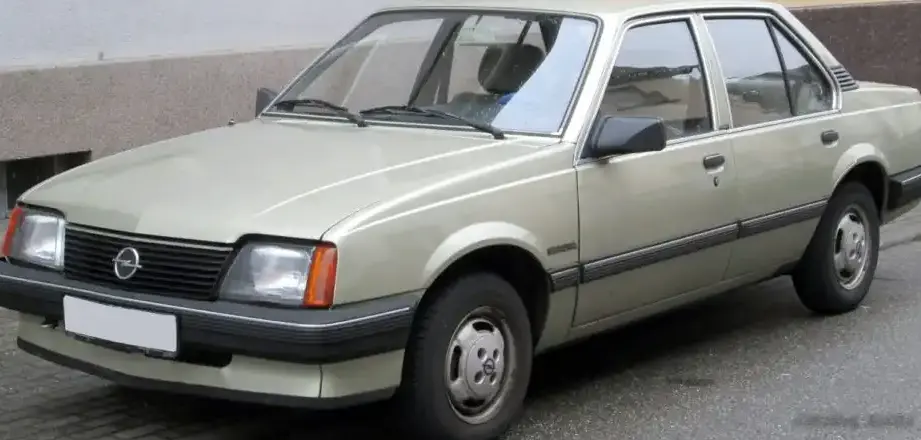
The Opel Ascona C 1.3 S, producing 75 horsepower, was a mainstay of the Ascona C range from 1981 to 1988. Positioned as an entry-level offering, it provided affordable transportation within the compact sedan segment in Europe. This variant played a significant role in Opel’s strategy to offer a broad range of models catering to diverse customer needs, balancing economy with practicality. The Ascona C itself was a popular choice for families and those seeking a reliable, no-frills vehicle, and the 1.3 S represented the most accessible point of entry into the lineup.
Technical Specifications
| Brand | Opel |
| Model | Ascona |
| Generation | Ascona C |
| Type (Engine) | 1.3 S (75 Hp) |
| Start of production | 1981 |
| End of production | 1988 |
| Powertrain Architecture | Internal Combustion engine |
| Body type | Sedan |
| Seats | 5 |
| Doors | 4 |
| Fuel Type | Petrol (Gasoline) |
| Acceleration 0 – 100 km/h | 15 sec |
| Acceleration 0 – 62 mph | 15 sec |
| Acceleration 0 – 60 mph | 14.3 sec |
| Maximum speed | 160 km/h (99.42 mph) |
| Weight-to-power ratio | 12.3 kg/Hp, 81.5 Hp/tonne |
| Weight-to-torque ratio | 9.1 kg/Nm, 109.8 Nm/tonne |
| Power | 75 Hp @ 5800 rpm |
| Power per litre | 57.8 Hp/l |
| Torque | 101 Nm @ 3800-4600 rpm (74.49 lb.-ft. @ 3800-4600 rpm) |
| Engine Model/Code | 13S, 13SC |
| Engine displacement | 1297 cm3 (79.15 cu. in.) |
| Number of cylinders | 4 |
| Engine configuration | Inline |
| Cylinder Bore | 75 mm (2.95 in.) |
| Piston Stroke | 73.4 mm (2.89 in.) |
| Compression ratio | 9.2:1 |
| Number of valves per cylinder | 2 |
| Fuel injection system | Carburettor |
| Engine aspiration | Naturally aspirated engine |
| Valvetrain | SOHC |
| Engine oil capacity | 3 l (3.17 US qt | 2.64 UK qt) |
| Coolant | 6.3 l (6.66 US qt | 5.54 UK qt) |
| Kerb Weight | 920 kg (2028.25 lbs.) |
| Max. weight | 1420 kg (3130.56 lbs.) |
| Max load | 500 kg (1102.31 lbs.) |
| Trunk (boot) space – maximum | 510 l (18.01 cu. ft.) |
| Fuel tank capacity | 61 l (16.11 US gal | 13.42 UK gal) |
| Permitted trailer load with brakes (12%) | 950 kg (2094.39 lbs.) |
| Length | 4366 mm (171.89 in.) |
| Width | 1668 mm (65.67 in.) |
| Height | 1395 mm (54.92 in.) |
| Wheelbase | 2574 mm (101.34 in.) |
| Front track | 1400 mm (55.12 in.) |
| Rear (Back) track | 1406 mm (55.35 in.) |
| Ride height (ground clearance) | 148 mm (5.83 in.) |
| Drag coefficient (Cd) | 0.39 |
| Minimum turning circle (turning diameter) | 10.95 m (35.93 ft.) |
| Drivetrain Architecture | The Internal combustion engine (ICE) drives the front wheels of the vehicle. |
| Drive wheel | Front wheel drive |
| Number of gears and type of gearbox | 4 gears, manual transmission |
| Front suspension | Independent type McPherson |
| Front brakes | Disc |
| Rear brakes | Drum |
INTRODUCTION
The Opel Ascona C 1.3 S, manufactured between 1981 and 1988, was a key component of the Ascona C lineup. Built on the 1HX0 platform, it represented the entry point into the Ascona range, offering a balance of affordability and practicality. The Ascona C was Opel’s response to increasing competition in the mid-size segment, aiming to provide a comfortable and reliable vehicle for families and commuters. The 1.3 S variant specifically targeted buyers prioritizing fuel efficiency and lower running costs over outright performance.
Powertrain & Engine Architecture
The heart of the Ascona C 1.3 S is the 13S or 13SC engine, a 1.3-liter inline-four cylinder petrol engine. This engine utilized a single overhead camshaft (SOHC) valvetrain with two valves per cylinder. Fuel delivery was managed by a carburetor, a common feature for vehicles of this era, prioritizing simplicity and cost-effectiveness. The engine produced 75 horsepower at 5800 rpm and 101 Nm (74.49 lb-ft) of torque between 3800 and 4600 rpm. The engine’s relatively low compression ratio of 9.2:1 contributed to its ability to run on lower octane fuel, further enhancing its appeal as an economical choice. The Ascona C 1.3 S was exclusively offered with a four-speed manual transmission, designed to maximize fuel efficiency and provide adequate performance for everyday driving.
Driving Characteristics
The driving experience in the Ascona C 1.3 S was characterized by its focus on practicality rather than sporty performance. Acceleration from 0 to 100 km/h (0-62 mph) took approximately 15 seconds, and top speed was limited to 160 km/h (99.42 mph). The four-speed manual transmission offered a relatively simple gear change, but the limited number of gears meant that engine speeds could be high during highway cruising. Compared to higher-spec Ascona C models equipped with larger engines (like the 1.6 or 2.0-liter variants), the 1.3 S felt noticeably less powerful, particularly when fully loaded or tackling steep inclines. However, its lighter weight and efficient engine contributed to reasonable fuel economy for the time.
Equipment & Trim Levels
The Ascona C 1.3 S was typically equipped with basic, yet functional, features. Standard equipment generally included cloth upholstery, a simple dashboard layout with analog gauges, and basic exterior trim. Power steering and electric windows were typically not standard on this base model, but could be added as optional extras. Interior space was adequate for five passengers, and the 510-liter trunk provided ample storage capacity for luggage or other cargo. Optional extras included a radio, upgraded interior trim, and a sunroof. The overall interior ambiance was functional and durable, reflecting the car’s focus on practicality and affordability.
Chassis & Braking
The Ascona C 1.3 S featured a front-wheel-drive layout with an independent McPherson strut suspension at the front and a rigid axle suspension at the rear. The front brakes were disc brakes, providing adequate stopping power, while the rear brakes were drum brakes, a cost-saving measure common in this class of vehicle. The suspension setup prioritized ride comfort over sporty handling, providing a relatively smooth ride on most road surfaces. Stabilizer bars were typically fitted to the front suspension to reduce body roll during cornering. The relatively lightweight nature of the 1.3 S variant contributed to its manageable handling characteristics.
Market Reception & Comparison
The Ascona C 1.3 S was generally well-received as an affordable and reliable family car. Critics acknowledged its fuel efficiency and practicality, but noted its lack of outright performance compared to higher-spec models. Compared to the Ascona C 1.6 or 2.0-liter variants, the 1.3 S offered significantly lower running costs but at the expense of acceleration and overall driving enjoyment. The 1.3 S also competed with other compact sedans from manufacturers like Ford, Volkswagen, and Fiat. Its competitive pricing and Opel’s reputation for reliability helped it maintain a strong presence in the European market.
Legacy
The Opel Ascona C 1.3 S, while not a performance icon, remains a fondly remembered vehicle for many owners. The 13S engine, while simple in design, proved to be relatively durable and reliable, provided it was properly maintained. Today, well-maintained examples of the Ascona C 1.3 S are becoming increasingly sought after by classic car enthusiasts. Parts availability can be a challenge, but a dedicated community of Opel enthusiasts continues to support the preservation of these vehicles. The Ascona C 1.3 S represents a significant chapter in Opel’s history, embodying the brand’s commitment to providing affordable and practical transportation to a wide range of customers.