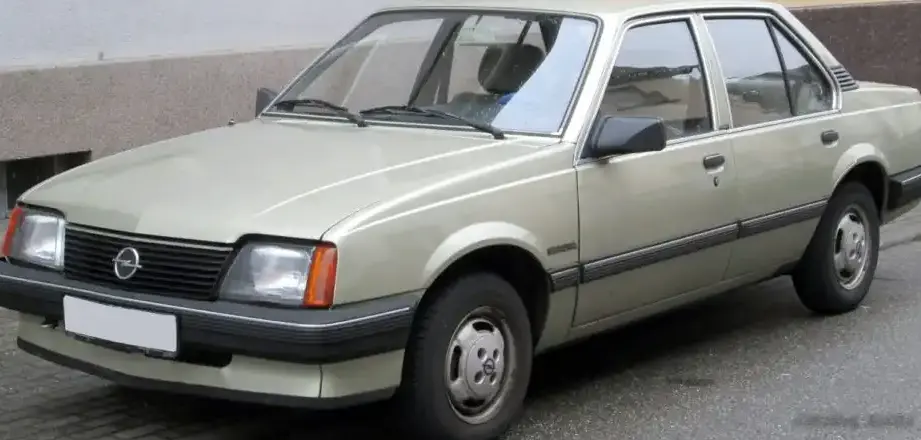
The Opel Ascona C 1.6 S, producing 90 horsepower, was a mainstay of the Ascona C range produced between 1981 and 1986. Positioned as a mid-range offering, it aimed to balance affordability with respectable performance and comfort. The Ascona C itself was a significant model for Opel, representing a move towards more modern styling and engineering compared to its predecessor, the Ascona B. Built on the GM T-platform (internally designated as the 1HX0/A3), the Ascona C competed in the highly contested European mid-size segment against rivals like the Ford Taunus, Volkswagen Passat, and Fiat Croma. This particular 1.6 S variant was popular for its relative fuel efficiency and ease of maintenance, making it a practical choice for families and commuters.
Technical Specifications
| Brand | Opel |
| Model | Ascona |
| Generation | Ascona C |
| Type (Engine) | 1.6 S (90 Hp) |
| Start of production | 1981 |
| End of production | 1986 |
| Powertrain Architecture | Internal Combustion engine |
| Body type | Sedan |
| Seats | 5 |
| Doors | 4 |
| Fuel consumption (urban) | 9.6 l/100 km (24.5 US mpg) |
| Fuel consumption (extra urban) | 6.1 l/100 km (38.6 US mpg) |
| Fuel consumption (combined) | 8 l/100 km (29.4 US mpg) |
| Fuel Type | Petrol (Gasoline) |
| Acceleration 0 – 100 km/h | 12.5 sec |
| Acceleration 0 – 62 mph | 12.5 sec |
| Acceleration 0 – 60 mph | 11.9 sec |
| Maximum speed | 170 km/h (105.63 mph) |
| Weight-to-power ratio | 11.3 kg/Hp |
| Weight-to-torque ratio | 8.1 kg/Nm |
| Power | 90 Hp @ 5800 rpm |
| Torque | 126 Nm @ 3800-4200 rpm (92.93 lb.-ft.) |
| Engine layout | Front, Transverse |
| Engine Model/Code | 16SH |
| Engine displacement | 1598 cm3 (97.52 cu. in.) |
| Number of cylinders | 4 |
| Engine configuration | Inline |
| Cylinder Bore | 80 mm (3.15 in.) |
| Piston Stroke | 79.5 mm (3.13 in.) |
| Compression ratio | 9.2:1 |
| Number of valves per cylinder | 2 |
| Fuel injection system | Carburettor |
| Engine aspiration | Naturally aspirated |
| Valvetrain | SOHC |
| Engine oil capacity | 3 l (3.17 US qt | 2.64 UK qt) |
| Coolant capacity | 7.9 l (8.35 US qt | 6.95 UK qt) |
| Kerb Weight | 1015 kg (2237.69 lbs.) |
| Max. weight | 1525 kg (3362.05 lbs.) |
| Max load | 510 kg (1124.36 lbs.) |
| Trunk (boot) space – maximum | 510 l (18.01 cu. ft.) |
| Fuel tank capacity | 61 l (16.11 US gal | 13.42 UK gal) |
| Length | 4366 mm (171.89 in.) |
| Width | 1668 mm (65.67 in.) |
| Height | 1385 mm (54.53 in.) |
| Wheelbase | 2574 mm (101.34 in.) |
| Front track | 1400 mm (55.12 in.) |
| Rear track | 1406 mm (55.35 in.) |
| Ride height (ground clearance) | 148 mm (5.83 in.) |
| Drag coefficient (Cd) | 0.39 |
| Minimum turning circle | 11 m (36.09 ft.) |
| Drivetrain Architecture | Front wheel drive |
| Number of gears | 5 gears, manual transmission |
| Front brakes | Disc |
| Rear brakes | Drum |
| Steering type | Steering rack and pinion |
| Power steering | Hydraulic |
| Tires size | 185/70 R13 |
| Wheel rims size | 5.5J x 13 |
Powertrain & Engine Architecture
The heart of the Ascona C 1.6 S was the 16SH engine, a 1.6-liter (1598 cc) inline-four cylinder unit. This engine featured a single overhead camshaft (SOHC) valvetrain with two valves per cylinder. Fuel delivery was handled by a carburetor, a common setup for the time, though less efficient and precise than fuel injection. The 16SH produced 90 horsepower at 5800 rpm and 126 Nm (93 lb-ft) of torque between 3800 and 4200 rpm. The engine’s relatively modest output was typical for its displacement and carburetor-based fuel system. The transmission was a five-speed manual, providing a reasonable spread of gears for both economy and performance. While an automatic transmission was offered on other Ascona C models, it wasn’t typically paired with the 1.6 S engine.
Driving Characteristics
The 1.6 S offered a balanced driving experience. Acceleration to 60 mph took around 11.9 seconds, and it had a top speed of approximately 105 mph. While not particularly quick by modern standards, it was adequate for everyday driving and highway cruising. The five-speed manual transmission allowed drivers to keep the engine in its optimal power band, providing decent responsiveness. Compared to the more powerful Ascona C 1.8 or 2.0-liter models, the 1.6 S felt less strained during acceleration, but lacked the outright punch of its larger-engined siblings. The gearing was tuned for a blend of fuel economy and usability, rather than outright performance. The front-wheel-drive layout provided predictable handling, although it wasn’t as engaging as rear-wheel-drive alternatives.
Equipment & Trim Levels
The Ascona C 1.6 S typically came equipped with basic but functional features. Standard equipment included cloth upholstery, a basic instrument cluster, and manual windows and door locks. The interior was generally practical and durable, prioritizing functionality over luxury. Optional extras included a sunroof, upgraded stereo systems, and more comfortable seating. The trim level was generally considered a step up from the base Ascona models, offering a slightly more refined interior and exterior appearance. Exterior features typically included body-colored bumpers and hubcaps.
Chassis & Braking
The Ascona C utilized a MacPherson strut front suspension and a rigid axle rear suspension. The front suspension provided a comfortable ride and predictable handling, while the rear suspension was more basic but effective. Braking was accomplished via disc brakes on the front wheels and drum brakes on the rear. The braking system was adequate for the car’s weight and performance, but lacked the stopping power of more modern systems. A stabilizer bar was fitted to the front suspension to reduce body roll during cornering. The steering was a rack-and-pinion system with hydraulic power assistance, providing light and precise steering feel.
Market Reception & Comparison
The Ascona C 1.6 S was generally well-received by automotive critics as a practical and affordable family car. It was praised for its fuel efficiency, reliability, and comfortable ride. However, it was also criticized for its relatively modest performance and somewhat dated interior. Compared to the higher-spec Ascona models, the 1.6 S offered a more economical option, but at the expense of performance and refinement. The 1.8 and 2.0-liter versions were favored by drivers seeking more power, while the 1.6 S appealed to those prioritizing fuel economy and affordability. The Ascona C, in general, faced stiff competition from rivals like the Ford Taunus and Volkswagen Passat, but it maintained a strong presence in the European market.
Legacy
The Opel Ascona C 1.6 S has become a popular classic car among enthusiasts. The 16SH engine is known for its durability and relative simplicity, making it relatively easy to maintain. Parts availability is generally good, although some components can be difficult to find. Today, the Ascona C 1.6 S represents a piece of automotive history, offering a glimpse into the design and engineering of the 1980s. Well-maintained examples are increasingly sought after by collectors and enthusiasts, and continue to provide reliable and enjoyable transportation.