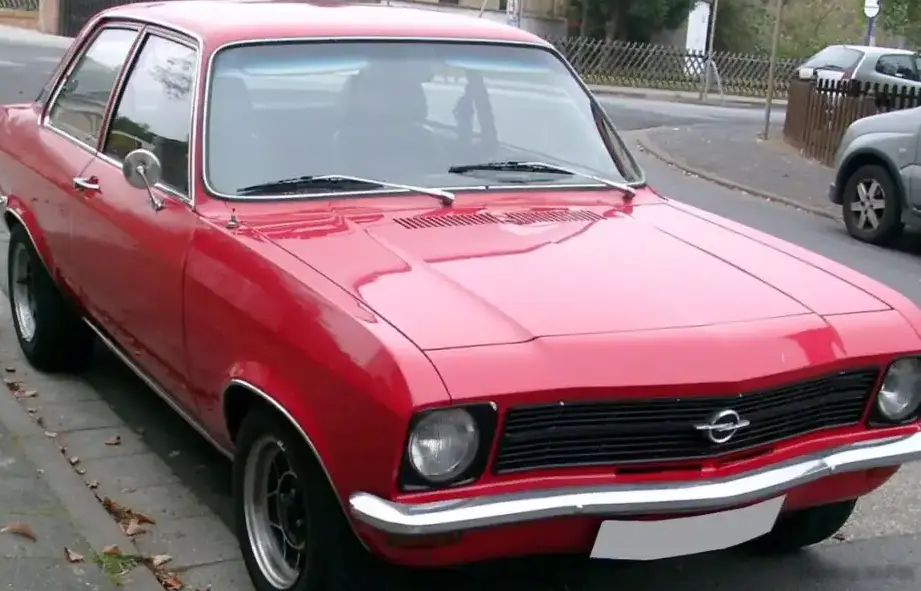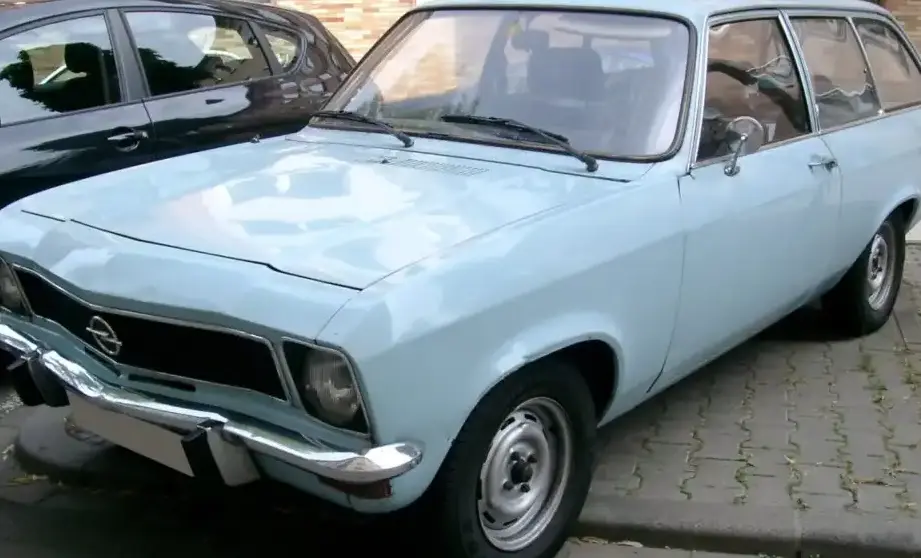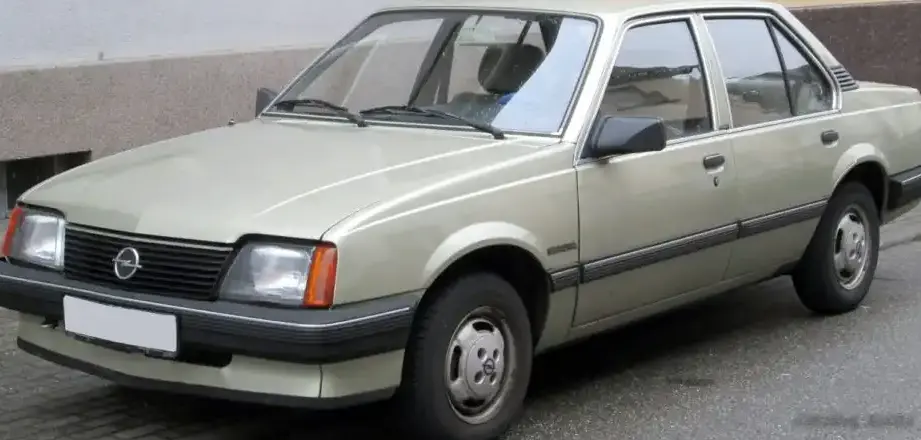
The Opel Ascona C 2.0i GT, produced between 1987 and 1988, represented a performance-oriented variant within the Ascona C range. Positioned as a step up from the base models, the 2.0i GT aimed to deliver a more engaging driving experience while maintaining the Ascona’s reputation for practicality and comfort. It was a key offering in the final years of the Ascona C, which was built on the GM T-platform (internally known as the 1HX0/A3 platform), shared with models like the Vauxhall Cavalier and Isuzu Asso. The Ascona C, in general, served as Opel’s mid-size offering in Europe, competing with vehicles like the Ford Taunus and Volkswagen Passat.
Technical Specifications
| Brand | Opel |
| Model | Ascona |
| Generation | Ascona C |
| Type (Engine) | 2.0i GT (129 Hp) |
| Start of production | 1987 |
| End of production | 1988 |
| Powertrain Architecture | Internal Combustion engine |
| Body type | Sedan |
| Seats | 5 |
| Doors | 4 |
| Fuel consumption (urban) | 11 l/100 km (21.4 US mpg, 25.7 UK mpg, 9.1 km/l) |
| Fuel consumption (extra urban) | 6 l/100 km (39.2 US mpg, 47.1 UK mpg, 16.7 km/l) |
| Fuel consumption (combined) | 8 l/100 km (29.4 US mpg, 35.3 UK mpg, 12.5 km/l) |
| Fuel Type | Petrol (Gasoline) |
| Acceleration 0 – 100 km/h | 9.3 sec |
| Acceleration 0 – 62 mph | 9.3 sec |
| Acceleration 0 – 60 mph | 8.8 sec |
| Maximum speed | 193 km/h (119.92 mph) |
| Weight-to-power ratio | 8 kg/Hp, 125.2 Hp/tonne |
| Weight-to-torque ratio | 5.7 kg/Nm, 174.8 Nm/tonne |
| Power | 129 Hp @ 5600 rpm |
| Power per litre | 64.6 Hp/l |
| Torque | 180 Nm @ 4600 rpm (132.76 lb.-ft. @ 4600 rpm) |
| Engine Model/Code | 20SEH, 20NE |
| Engine displacement | 1998 cm3 (121.93 cu. in.) |
| Number of cylinders | 4 |
| Engine configuration | Inline |
| Cylinder Bore | 86 mm (3.39 in.) |
| Piston Stroke | 86 mm (3.39 in.) |
| Compression ratio | 10:1 |
| Number of valves per cylinder | 2 |
| Fuel injection system | Multi-port manifold injection |
| Engine aspiration | Naturally aspirated engine |
| Valvetrain | SOHC |
| Engine oil capacity | 4 l (4.23 US qt | 3.52 UK qt) |
| Coolant capacity | 6.9 l (7.29 US qt | 6.07 UK qt) |
| Kerb Weight | 1030 kg (2270.76 lbs.) |
| Max. weight | 1525 kg (3362.05 lbs.) |
| Max load | 495 kg (1091.29 lbs.) |
| Trunk (boot) space – maximum | 510 l (18.01 cu. ft.) |
| Fuel tank capacity | 61 l (16.11 US gal | 13.42 UK gal) |
| Permitted trailer load with brakes (12%) | 1300 kg (2866.01 lbs.) |
| Permitted trailer load without brakes | 500 kg (1102.31 lbs.) |
| Length | 4366 mm (171.89 in.) |
| Width | 1668 mm (65.67 in.) |
| Height | 1395 mm (54.92 in.) |
| Wheelbase | 2574 mm (101.34 in.) |
| Front track | 1406 mm (55.35 in.) |
| Rear (Back) track | 1406 mm (55.35 in.) |
| Ride height (ground clearance) | 148 mm (5.83 in.) |
| Drag coefficient (Cd) | 0.38 |
| Minimum turning circle (turning diameter) | 10.95 m (35.93 ft.) |
| Drivetrain Architecture | Front wheel drive |
| Number of gears and type of gearbox | 5 gears, manual transmission |
| Front brakes | Disc |
| Rear brakes | Drum |
| Tires size | 195/60 R14 |
| Wheel rims size | 14 |
Powertrain & Engine Architecture
The heart of the Ascona C 2.0i GT was the 20SEH or 20NE inline-four cylinder engine, displacing 1998cc. These engines were part of Opel’s ‘E’ family of engines, known for their robustness and relatively simple design. The 20SEH, in particular, featured Bosch Motronic fuel injection, a multi-port system that improved fuel efficiency and throttle response compared to earlier carbureted Opel engines. The engine utilized a single overhead camshaft (SOHC) valvetrain, operating two valves per cylinder. The 10:1 compression ratio contributed to the engine’s respectable power output of 129 horsepower at 5600 rpm and 180 Nm (132.76 lb-ft) of torque at 4600 rpm. The engine was typically paired with a five-speed manual transmission, although a three-speed automatic transmission was also available, albeit less common in the GT variant. The automatic transmission, a GM-sourced unit, was geared towards comfort and ease of use rather than outright performance.
Driving Characteristics
The Ascona C 2.0i GT offered a balanced driving experience. With 129 hp propelling a relatively lightweight body (around 1030 kg or 2270 lbs), the car could accelerate from 0 to 60 mph in approximately 8.8 seconds and reach a top speed of 193 km/h (119.92 mph). The manual transmission versions provided a more engaging experience, allowing drivers to fully utilize the engine’s power band. The automatic transmission, while offering smooth shifts, resulted in some power loss and a slightly more leisurely pace. Compared to the lower-powered Ascona variants (like the 1.6 or 1.8), the 2.0i GT offered noticeably improved acceleration and highway cruising ability. However, it didn’t possess the outright performance of sportier rivals or even the later, more powerful Opel models.
Equipment & Trim Levels
The 2.0i GT trim level generally included features such as upgraded interior upholstery (often featuring patterned cloth seats), a more comprehensive instrument cluster, and exterior enhancements like alloy wheels and a rear spoiler. Power steering and central locking were often standard, while options included a sunroof, upgraded audio system, and electric windows. The interior design was typical of the era, with a functional layout and durable materials. The GT trim aimed to provide a slightly more premium feel compared to the base Ascona models.
Chassis & Braking
The Ascona C utilized a MacPherson strut front suspension and a torsion beam rear suspension. The GT variant typically featured a slightly stiffer suspension setup compared to the standard models, aimed at improving handling. Braking was handled by disc brakes on the front wheels and drum brakes on the rear. While adequate for everyday driving, the braking system wasn’t particularly sophisticated by modern standards. The steering was a rack-and-pinion system, providing reasonable precision and feedback.
Market Reception & Comparison
The Ascona C 2.0i GT was generally well-received by automotive journalists as a competent and practical family car with a touch of sporting flair. Critics praised its comfortable ride, spacious interior, and reliable engine. However, some noted that it lacked the dynamic finesse of more focused performance cars. Compared to the 1.6 and 1.8 liter versions, the 2.0i GT offered a significant performance upgrade, justifying its higher price point. Fuel economy was reasonable for the time, averaging around 29.4 US mpg in combined driving. The automatic transmission versions were often criticized for slightly diminishing the driving experience.
Legacy
The Opel Ascona C 2.0i GT, while not a groundbreaking vehicle, holds a place in automotive history as a representative of 1980s European family car design. The 20SEH/20NE engine proved to be remarkably durable, and many examples are still on the road today. In the used car market, well-maintained Ascona C 2.0i GTs are sought after by enthusiasts and collectors, particularly those who appreciate classic European motoring. The availability of spare parts is generally good, contributing to the car’s continued viability. The Ascona C, and the 2.0i GT variant specifically, represents a solid and dependable vehicle from a bygone era.