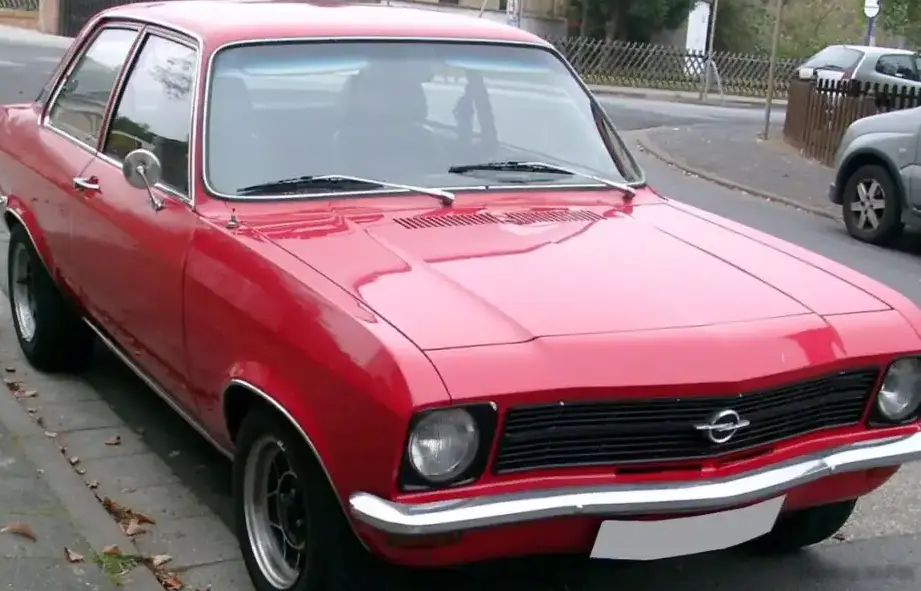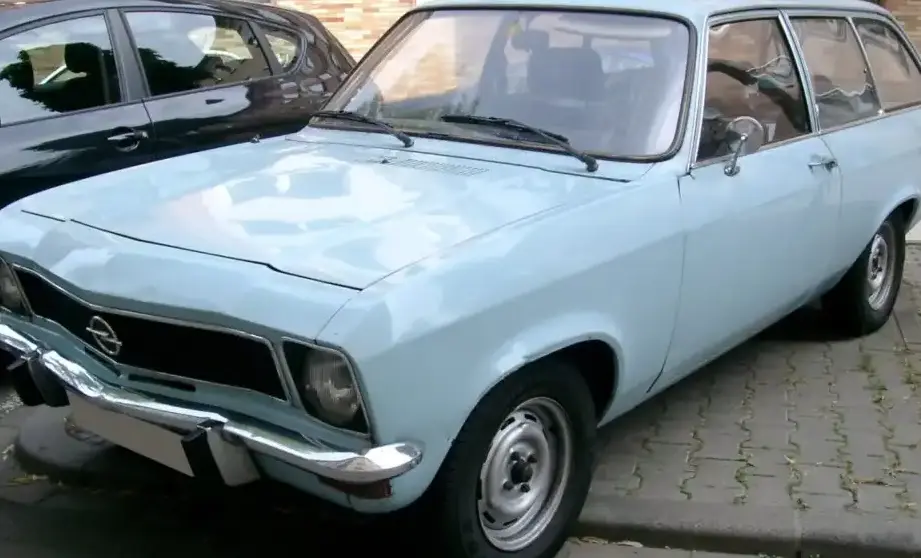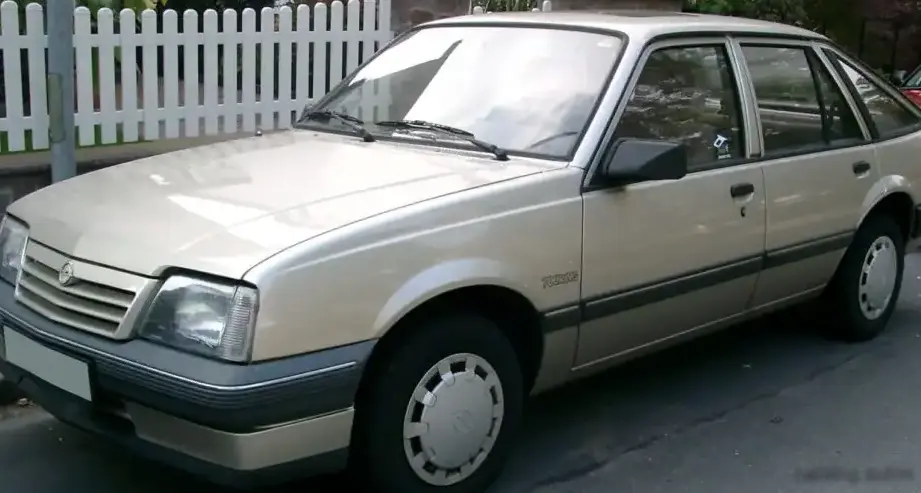
The Opel Ascona C CC 1.3 S, produced between 1981 and 1988, represented an entry-level offering within the broader Ascona C range. Positioned as a practical and economical hatchback, it served as a key model for Opel in the European market, particularly appealing to buyers seeking affordable transportation. The “CC” designation signified the *Coupé Caravan* body style, essentially a five-door hatchback. This variant, powered by a 1.3-liter engine producing 75 horsepower, occupied the lower end of the Ascona C lineup, below the more powerful 1.6 and 2.0-liter versions, and the sportier GSi models. It was a common sight on European roads during the 1980s, known for its reliability and relatively low running costs.
Technical Specifications
| Brand | Opel |
| Model | Ascona |
| Generation | Ascona C CC |
| Type (Engine) | 1.3 S (75 Hp) |
| Start of production | 1981 |
| End of production | 1988 |
| Powertrain Architecture | Internal Combustion engine |
| Body type | Hatchback |
| Seats | 5 |
| Doors | 5 |
| Fuel Type | Petrol (Gasoline) |
| Acceleration 0 – 100 km/h | 15 sec |
| Acceleration 0 – 62 mph | 15 sec |
| Acceleration 0 – 60 mph | 14.3 sec |
| Maximum speed | 160 km/h (99.42 mph) |
| Weight-to-power ratio | 12.9 kg/Hp, 77.7 Hp/tonne |
| Weight-to-torque ratio | 9.6 kg/Nm, 104.7 Nm/tonne |
| Power | 75 Hp @ 5800 rpm |
| Power per litre | 57.8 Hp/l |
| Torque | 101 Nm @ 3800-4600 rpm (74.49 lb.-ft. @ 3800-4600 rpm) |
| Engine Model/Code | 13S, 13SC |
| Engine displacement | 1297 cm3 (79.15 cu. in.) |
| Number of cylinders | 4 |
| Engine configuration | Inline |
| Cylinder Bore | 75 mm (2.95 in.) |
| Piston Stroke | 73.4 mm (2.89 in.) |
| Compression ratio | 9.2:1 |
| Number of valves per cylinder | 2 |
| Fuel injection system | Carburettor |
| Engine aspiration | Naturally aspirated engine |
| Valvetrain | SOHC |
| Engine oil capacity | 3 l (3.17 US qt | 2.64 UK qt) |
| Coolant | 6.3 l (6.66 US qt | 5.54 UK qt) |
| Kerb Weight | 965 kg (2127.46 lbs) |
| Max. weight | 1470 kg (3240.8 lbs) |
| Max load | 505 kg (1113.33 lbs) |
| Trunk (boot) space – minimum | 445 l (15.72 cu. ft.) |
| Trunk (boot) space – maximum | 1215 l (42.91 cu. ft.) |
| Fuel tank capacity | 61 l (16.11 US gal | 13.42 UK gal) |
| Permitted trailer load with brakes (12%) | 950 kg (2094.39 lbs) |
| Length | 4264 mm (167.87 in.) |
| Width | 1668 mm (65.67 in.) |
| Height | 1385 mm (54.53 in.) |
| Wheelbase | 2574 mm (101.34 in.) |
| Front track | 1400 mm (55.12 in.) |
| Rear (Back) track | 1406 mm (55.35 in.) |
| Ride height (ground clearance) | 145 mm (5.71 in.) |
| Drag coefficient (Cd) | 0.38 |
| Minimum turning circle (turning diameter) | 10.95 m (35.93 ft.) |
| Drivetrain Architecture | The Internal combustion engine (ICE) drives the front wheels of the vehicle. |
| Drive wheel | Front wheel drive |
| Number of gears and type of gearbox | 4 gears, manual transmission |
| Front brakes | Disc |
| Rear brakes | Drum |
Powertrain & Engine Architecture
The Ascona C CC 1.3 S was powered by the Opel 13S engine, an inline four-cylinder unit displacing 1297cc. Engine codes 13S and 13SC were used, with minor variations depending on the specific market and year. This engine featured a single overhead camshaft (SOHC) valvetrain with two valves per cylinder. Fuel delivery was handled by a carburetor, a common feature for vehicles of this era, prioritizing simplicity and cost-effectiveness over the more advanced fuel injection systems. The 13S engine was known for its durability, but its relatively low output necessitated a well-matched gearbox. The standard transmission was a four-speed manual, although a three-speed automatic was offered as an option. The automatic transmission, while providing convenience, further reduced the car’s acceleration performance.
Driving Characteristics
The 1.3 S, with its 75 horsepower and 101 Nm of torque, offered modest performance. Acceleration from 0 to 60 mph took around 14.3 seconds, and top speed was approximately 99 mph. Compared to the 1.6-liter and 2.0-liter Ascona C models, the 1.3 S felt noticeably slower, particularly when fully loaded or tackling inclines. The four-speed manual transmission was geared to maximize fuel economy, resulting in a somewhat lethargic feel. The optional automatic transmission exacerbated this, with noticeable power loss during gear changes. However, the 1.3 S excelled in urban driving and on shorter journeys, offering a comfortable and predictable driving experience. The front-wheel-drive layout provided decent handling, although it lacked the dynamic capabilities of rear-wheel-drive competitors.
Equipment & Trim Levels
The Ascona C CC 1.3 S was typically equipped with basic, yet functional, features. Standard equipment included cloth upholstery, a basic instrument cluster, and manual windows and door locks. The interior was designed with practicality in mind, featuring durable materials and a straightforward layout. Optional extras included a sunroof, upgraded stereo systems, and more comfortable seating. Trim levels were relatively simple, with the 1.3 S representing the entry point to the Ascona C range. Higher trim levels, such as the SR and GSi, offered more luxurious appointments and performance-enhancing features.
Chassis & Braking
The Ascona C CC featured a MacPherson strut front suspension and a rigid axle rear suspension. The 1.3 S variant typically used smaller diameter tires and narrower wheels compared to the higher-performance models. Braking was accomplished via disc brakes on the front wheels and drum brakes on the rear. While adequate for everyday driving, the braking system lacked the stopping power of more modern vehicles. Stabilizer bars were often omitted on the base 1.3 S model, contributing to a slightly more pronounced body roll during cornering.
Market Reception & Comparison
The Ascona C CC 1.3 S was generally well-received as an affordable and reliable family car. Critics praised its practicality, fuel efficiency, and durability. However, its modest performance was often noted, particularly when compared to its more powerful siblings. The 1.6-liter Ascona C offered a significant performance upgrade for a relatively small price increase, making it a popular alternative. The 1.9 TDI diesel versions, introduced later in the Ascona C’s lifespan, provided even better fuel economy, but at the expense of performance. The 1.3 S appealed to buyers prioritizing economy and practicality over outright speed.
Legacy
The Opel Ascona C CC 1.3 S, while not a performance icon, remains a fondly remembered vehicle for many European car enthusiasts. The 13S engine proved to be remarkably durable, and many examples are still on the road today. The car’s simple design and readily available parts make it relatively easy to maintain. In the used car market, the 1.3 S represents an affordable entry point into classic Opel ownership. While not highly sought after by collectors, it offers a nostalgic glimpse into 1980s automotive design and engineering. Its reputation for reliability and low running costs continues to make it a practical choice for those seeking a classic car for everyday use.