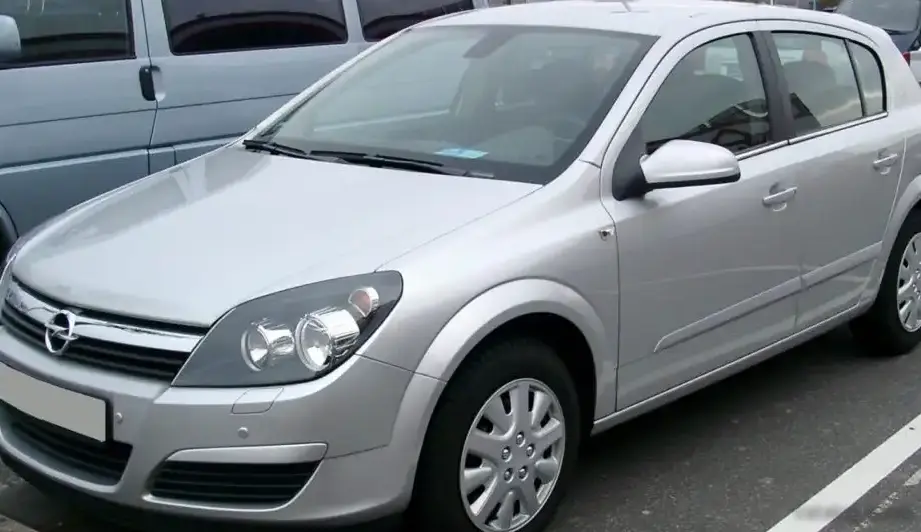
The Opel Astra H 1.9 CDTI, producing 120 horsepower, was a significant variant within the Astra H range (2004-2009), representing a popular choice for European drivers seeking a balance between fuel efficiency and respectable performance. Introduced as part of the H generation, which benefited from a redesigned chassis and interior compared to its predecessor, the 1.9 CDTI aimed to provide a more refined and economical driving experience. This model occupied a mid-range position in the Astra H lineup, slotting between the lower-powered petrol engines and the more potent, higher-specification diesel options.
Technical Specifications
| Brand | Opel |
| Model | Astra |
| Generation | Astra H |
| Type (Engine) | 1.9 CDTI (120 Hp) |
| Start of production | 2004 |
| End of production | 2006 |
| Powertrain Architecture | Internal Combustion engine |
| Body type | Hatchback |
| Seats | 5 |
| Doors | 5 |
| Fuel consumption (urban) | 7.4 l/100 km (31.8 US mpg) |
| Fuel consumption (extra urban) | 4.9 l/100 km (48 US mpg) |
| Fuel consumption (combined) | 5.8 l/100 km (40.6 US mpg) |
| Fuel Type | Diesel |
| Acceleration 0 – 100 km/h | 10.5 sec |
| Acceleration 0 – 62 mph | 10.5 sec |
| Acceleration 0 – 60 mph | 10 sec |
| Maximum speed | 191 km/h (118.68 mph) |
| Weight-to-power ratio | 11.6 kg/Hp |
| Weight-to-torque ratio | 5 kg/Nm |
| Power | 120 Hp @ 3250 rpm |
| Torque | 280 Nm @ 1750 rpm (206.52 lb.-ft. @ 1750 rpm) |
| Engine layout | Front, Transverse |
| Engine Model/Code | Z19DT |
| Engine displacement | 1910 cm3 (116.56 cu. in.) |
| Number of cylinders | 4 |
| Engine configuration | Inline |
| Cylinder Bore | 82 mm (3.23 in.) |
| Piston Stroke | 90.4 mm (3.56 in.) |
| Compression ratio | 17.5:1 |
| Number of valves per cylinder | 2 |
| Fuel injection system | Diesel Commonrail |
| Engine aspiration | Turbocharger, Intercooler |
| Valvetrain | DOHC |
| Engine oil capacity | 4.3 l (4.54 US qt | 3.78 UK qt) |
| Coolant capacity | 7 l (7.4 US qt | 6.16 UK qt) |
| Kerb Weight | 1393 kg (3071.04 lbs.) |
| Max. weight | 1885 kg (4155.71 lbs.) |
| Max load | 492 kg (1084.67 lbs.) |
| Trunk (boot) space – minimum | 380 l (13.42 cu. ft.) |
| Trunk (boot) space – maximum | 1330 l (46.97 cu. ft.) |
| Fuel tank capacity | 52 l (13.74 US gal | 11.44 UK gal) |
| Length | 4249 mm (167.28 in.) |
| Width | 1753 mm (69.02 in.) |
| Width including mirrors | 2033 mm (80.04 in.) |
| Height | 1467 mm (57.76 in.) |
| Wheelbase | 2614 mm (102.91 in.) |
| Front track | 1488 mm (58.58 in.) |
| Rear track | 1488 mm (58.58 in.) |
| Front overhang | 871 mm (34.29 in.) |
| Rear overhang | 764 mm (30.08 in.) |
| Ride height (ground clearance) | 160 mm (6.3 in.) |
| Drag coefficient (Cd) | 0.32 |
| Drivetrain Architecture | Front wheel drive |
| Number of gears | 6 |
| Gearbox type | Manual transmission |
| Front suspension | Spring Strut |
| Rear suspension | Spring Strut |
| Front brakes | Ventilated discs |
| Rear brakes | Disc |
| Assisting systems | ABS (Anti-lock braking system) |
| Steering type | Steering rack and pinion |
| Tires size | 205/55 R16 |
| Wheel rims size | 6.5J x 16 |
INTRODUCTION
The Opel Astra H 1.9 CDTI (120 hp) was produced from 2004 through 2006 and represented a key offering in the Astra H range, built on the GM Delta platform (also known as the 1HX0). This generation Astra aimed to improve upon the previous model in terms of refinement, safety, and overall driving experience. The 1.9 CDTI engine was a popular choice in Europe, offering a compelling blend of fuel economy and torque, making it suitable for both urban commuting and longer highway journeys. The 120 hp variant was positioned as a practical and economical option, appealing to buyers who prioritized running costs over outright performance.
Powertrain & Engine Architecture
The heart of this Astra variant is the Z19DT, a 1.9-liter inline-four cylinder diesel engine. This engine utilizes a common rail direct injection system, delivering fuel directly into the combustion chamber at extremely high pressure. This technology, coupled with a turbocharger and intercooler, allows for efficient combustion and increased power output. The engine features a double overhead camshaft (DOHC) valvetrain, operating two valves per cylinder. The 1.9 CDTI engine benefits from a relatively robust design, known for its durability. The 120 hp version was typically paired with a six-speed manual transmission, although an automatic transmission option was also available, albeit less common. The automatic transmission was a traditional torque converter type, offering smooth shifts but at the expense of some fuel efficiency compared to the manual.
Driving Characteristics
The 1.9 CDTI 120 hp Astra H offered a comfortable and composed driving experience. While not particularly sporty, the engine provided ample torque from low engine speeds, making it easy to navigate city traffic and execute overtaking maneuvers. The six-speed manual transmission allowed drivers to keep the engine in its optimal power band, while the automatic transmission prioritized convenience. Acceleration from 0-60 mph took around 10 seconds, which was adequate for everyday driving but noticeably slower than the more powerful Astra variants. The suspension setup prioritized comfort, absorbing bumps and imperfections in the road surface effectively. Steering feel was generally light and precise, making the car easy to maneuver.
Equipment & Trim Levels
The Astra H 1.9 CDTI 120 hp was typically offered in several trim levels, including Expression, Enjoy, and Cosmo. The base Expression trim included standard features such as air conditioning, power windows, and a basic audio system. The Enjoy trim added features like alloy wheels, a multi-function steering wheel, and upgraded upholstery. The top-of-the-line Cosmo trim offered additional luxuries such as automatic climate control, rain-sensing wipers, and a more sophisticated audio system. Optional extras included a sunroof, parking sensors, and a navigation system.
Chassis & Braking
The Astra H utilized a MacPherson strut front suspension and a torsion beam rear suspension. This setup provided a good balance between ride comfort and handling. The braking system consisted of ventilated discs on the front wheels and solid discs on the rear wheels. Anti-lock Braking System (ABS) was standard on all models. The Astra H’s chassis was designed to provide a stable and predictable driving experience, with a focus on safety and comfort.
Market Reception & Comparison
The Opel Astra H 1.9 CDTI 120 hp was well-received by critics and consumers alike. It was praised for its fuel efficiency, comfortable ride, and practical interior. Compared to the higher-powered Astra variants, such as the 1.9 CDTI 150 hp, the 120 hp version offered lower running costs but sacrificed some performance. The 1.9 CDTI was also often compared to the petrol-powered Astra models. While the petrol engines offered a smoother and quieter driving experience, the 1.9 CDTI provided significantly better fuel economy and torque. The 120 hp variant was a popular choice for fleet buyers and private individuals looking for an economical and reliable family car.
Legacy
The Opel Astra H 1.9 CDTI 120 hp has proven to be a relatively reliable powertrain in the used car market. The Z19DT engine is known for its durability, although regular maintenance is essential to prevent issues such as turbocharger failure and injector problems. Today, these Astras represent an affordable and practical option for buyers seeking a fuel-efficient and comfortable hatchback. While not a performance icon, the 1.9 CDTI 120 hp Astra H remains a testament to Opel’s commitment to providing well-rounded and economical vehicles.