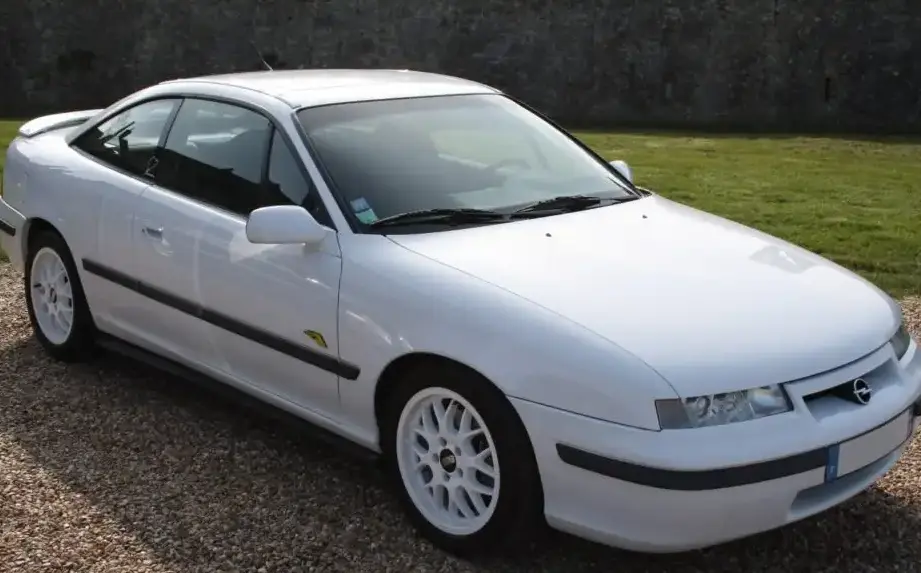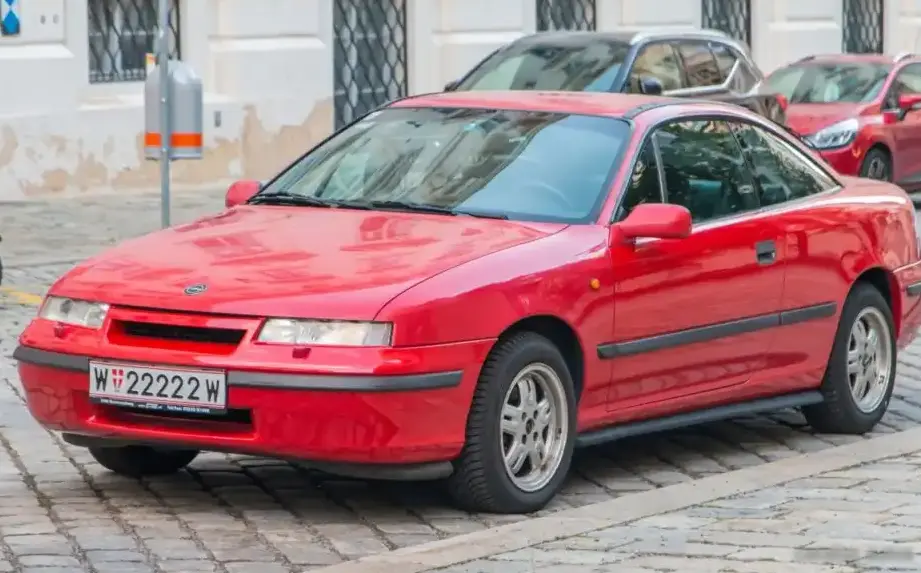
The Opel Calibra 2.0 16V 4×4, produced between June 1990 and July 1993, represented the performance pinnacle of the first-generation Calibra (1989-1997). Positioned as the flagship model within the Calibra range, it combined a potent 16-valve engine with a sophisticated all-wheel-drive system. The Calibra itself was Opel’s attempt to create a stylish, affordable coupe aimed at a younger demographic, and it quickly gained popularity for its sleek fastback design and competitive pricing. The 2.0 16V 4×4 was intended to appeal to enthusiasts seeking a sporty and capable grand tourer, offering a blend of performance and all-weather traction. It was built on the GM410 platform, shared with the Opel Vectra A and Cavalier, but distinguished itself through its unique bodywork and available drivetrain options.
Technical Specifications
| Brand | Opel |
| Model | Calibra |
| Generation | Calibra |
| Type (Engine) | 2.0 16V (150 Hp) 4×4 |
| Start of production | June, 1990 |
| End of production | July, 1993 |
| Powertrain Architecture | Internal Combustion engine |
| Body type | Coupe |
| Seats | 4 |
| Doors | 2 |
| Fuel consumption (urban) | 15 l/100 km (15.7 US mpg, 18.8 UK mpg, 6.7 km/l) |
| Fuel consumption (extra urban) | 10 l/100 km (23.5 US mpg, 28.2 UK mpg, 10 km/l) |
| Fuel consumption (combined) | 12.1 l/100 km (19.4 US mpg, 23.3 UK mpg, 8.3 km/l) |
| Fuel Type | Petrol (Gasoline) |
| Acceleration 0 – 100 km/h | 9.5 sec |
| Acceleration 0 – 62 mph | 9.5 sec |
| Acceleration 0 – 60 mph | 9 sec |
| Maximum speed | 215 km/h (133.59 mph) |
| Weight-to-power ratio | 8.7 kg/Hp, 115.4 Hp/tonne |
| Weight-to-torque ratio | 6.6 kg/Nm, 150.8 Nm/tonne |
| Power | 150 Hp @ 6000 rpm |
| Power per litre | 75.1 Hp/l |
| Torque | 196 Nm @ 4600 rpm (144.56 lb.-ft. @ 4600 rpm) |
| Engine layout | Front, Transverse |
| Engine Model/Code | C20XE |
| Engine displacement | 1998 cm3 (121.93 cu. in.) |
| Number of cylinders | 4 |
| Engine configuration | Inline |
| Cylinder Bore | 86 mm (3.39 in.) |
| Piston Stroke | 86 mm (3.39 in.) |
| Compression ratio | 10.5:1 |
| Number of valves per cylinder | 4 |
| Fuel injection system | Multi-port manifold injection |
| Engine aspiration | Naturally aspirated engine |
| Valvetrain | DOHC |
| Engine oil capacity | 4.5 l (4.76 US qt | 3.96 UK qt) |
| Coolant | 7.2 l (7.61 US qt | 6.34 UK qt) |
| Kerb Weight | 1300 kg (2866.01 lbs.) |
| Max. weight | 1720 kg (3791.95 lbs.) |
| Max load | 420 kg (925.94 lbs.) |
| Trunk (boot) space – minimum | 300 l (10.59 cu. ft.) |
| Trunk (boot) space – maximum | 980 l (34.61 cu. ft.) |
| Fuel tank capacity | 63 l (16.64 US gal | 13.86 UK gal) |
| Length | 4492 mm (176.85 in.) |
| Width | 1688 mm (66.46 in.) |
| Height | 1320 mm (51.97 in.) |
| Wheelbase | 2600 mm (102.36 in.) |
| Front track | 1426 mm (56.14 in.) |
| Rear (Back) track | 1446 mm (56.93 in.) |
| Ride height (ground clearance) | 140 mm (5.51 in.) |
| Drag coefficient (Cd) | 0.26 |
| Minimum turning circle | 12 m (39.37 ft.) |
| Drive wheel | All wheel drive (4×4) |
| Number of gears | 5 gears, manual transmission |
| Front suspension | Wishbone |
| Rear suspension | Coil spring |
| Front brakes | Ventilated discs |
| Rear brakes | Disc |
| Assisting systems | ABS (Anti-lock braking system) |
| Steering type | Steering rack and pinion |
| Power steering | Hydraulic Steering |
| Tires size | 195/60 R14 |
| Wheel rims size | 14 |
Powertrain & Engine Architecture
The heart of the Calibra 2.0 16V 4×4 is the C20XE engine, a 1998cc inline-four cylinder powerplant. This engine is a member of Opel’s “E” family of engines, known for their durability and tunability. The C20XE features a cast iron block and an aluminum cylinder head with dual overhead camshafts (DOHC) and four valves per cylinder. This configuration allowed for excellent breathing and contributed to the engine’s relatively high specific output. Fuel delivery is handled by Bosch Motronic multi-port fuel injection, optimizing fuel atomization and combustion efficiency. The engine produces 150 horsepower at 6000 rpm and 196 Nm (144.56 lb-ft) of torque at 4600 rpm. The transmission is a robust five-speed manual gearbox, chosen for its durability and driver engagement. The all-wheel-drive system utilizes a viscous coupling to distribute power between the front and rear axles, providing enhanced traction in slippery conditions.
Driving Characteristics
The Calibra 2.0 16V 4×4 offers a noticeably more engaging driving experience than its lower-powered siblings. The 150 hp engine provides brisk acceleration, reaching 60 mph in approximately 9.5 seconds, and a top speed of 133.59 mph. The all-wheel-drive system significantly improves grip, particularly on corner exit and in inclement weather. However, the added weight of the 4×4 system (approximately 1300 kg / 2866 lbs) does slightly diminish the car’s agility compared to the front-wheel-drive versions. The five-speed manual transmission is well-matched to the engine’s powerband, offering precise shifts and a satisfying mechanical feel. The gear ratios are spaced to provide good acceleration in all gears, while still allowing for comfortable cruising at highway speeds. Compared to the 1.8L or 2.0L 8V models, the 16V engine delivers a more responsive and refined driving experience, with a willingness to rev and a broader powerband.
Equipment & Trim Levels
The Calibra 2.0 16V 4×4 was typically well-equipped, reflecting its position as the range-topping model. Standard features included power steering, ABS anti-lock brakes, central locking, electric windows, and a basic stereo system. Interior upholstery was typically cloth, although leather options were available. The dashboard featured a sporty design with clear instrumentation. Optional extras included a sunroof, upgraded stereo systems, and alloy wheels. The Calibra’s interior, while functional, was not particularly luxurious, focusing instead on providing a driver-focused environment.
Chassis & Braking
The Calibra 2.0 16V 4×4 utilizes a MacPherson strut front suspension and a coil spring rear suspension. The suspension setup is tuned for a balance between comfort and handling, providing a reasonably compliant ride while maintaining good body control. Braking duties are handled by ventilated discs at the front and solid discs at the rear, providing adequate stopping power. The ABS system helps to prevent wheel lockup during hard braking, enhancing safety and control. The car’s relatively low center of gravity and well-balanced chassis contribute to its stable and predictable handling characteristics.
Market Reception & Comparison
The Calibra 2.0 16V 4×4 was generally well-received by automotive critics, who praised its stylish design, strong performance, and all-weather capability. However, some critics noted the car’s relatively high price compared to other coupes in its class. Compared to the front-wheel-drive Calibras, the 4×4 model offered superior traction and handling, but at the cost of slightly increased fuel consumption and weight. Against competitors like the Ford Escort Cosworth and the Nissan 200SX, the Calibra 4×4 offered a more refined and comfortable driving experience, but lacked the outright performance of those more focused sports coupes. Fuel economy averaged around 19.4 US mpg combined, which was typical for a performance car of its era.
Legacy
The Opel Calibra 2.0 16V 4×4 has become a sought-after classic among enthusiasts. The C20XE engine is known for its reliability and durability, and the all-wheel-drive system adds to the car’s appeal. Well-maintained examples are becoming increasingly rare and valuable. While not without its quirks (like potential issues with the viscous coupling in the 4×4 system), the Calibra 2.0 16V 4×4 remains a compelling and enjoyable classic coupe, representing a high point in Opel’s engineering and design capabilities. Today, it’s often seen as a stylish and affordable entry point into the world of classic performance cars.