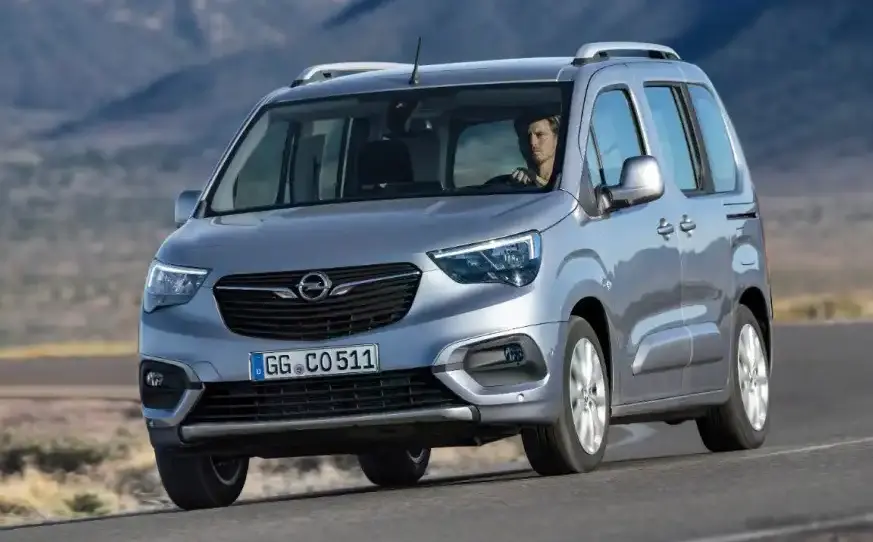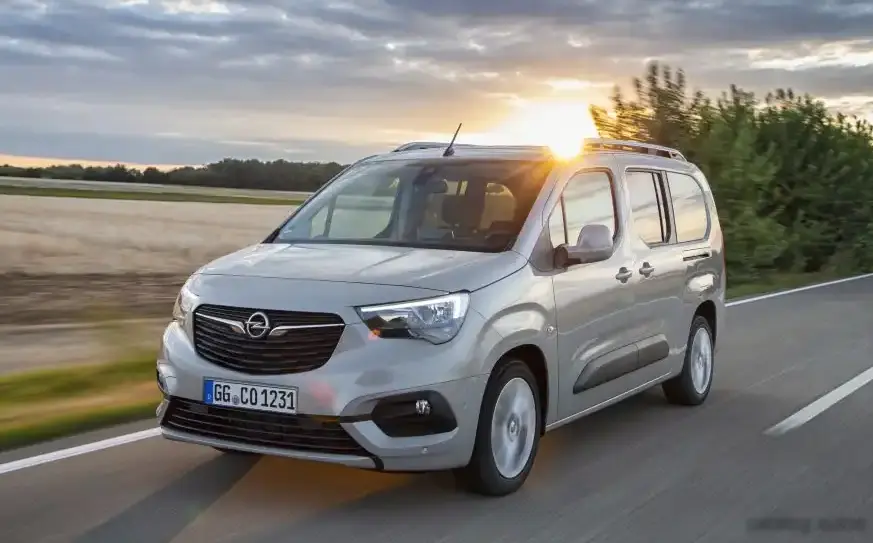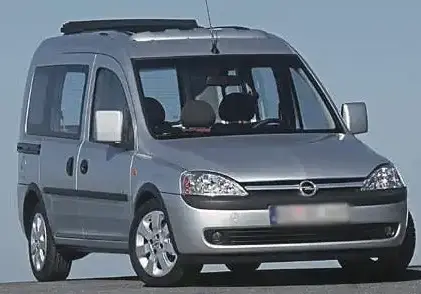
The Opel Combo Tour C 1.7 DTI 16V (75 hp) ECOTEC, produced from March 2002 to 2003, represents an entry-level variant within the broader Combo Tour C range. Positioned as a practical and economical choice, this version of the Combo catered to buyers prioritizing fuel efficiency and affordability over outright performance. It was part of the Combo Tour C generation (internally designated as the X08), a light commercial vehicle and multi-purpose vehicle (MPV) based on the Fiat Doblo and shared with other brands under the General Motors umbrella. The Combo Tour C aimed to provide a versatile vehicle for both commercial and family use, and the 1.7 DTI model was a key component in achieving a wider market reach.
Technical Specifications
| Brand | Opel |
| Model | Combo |
| Generation | Combo Tour C |
| Type (Engine) | 1.7 DTI 16V (75 Hp) ECOTEC |
| Start of production | March, 2002 |
| End of production | 2003 |
| Powertrain Architecture | Internal Combustion engine |
| Body type | Minivan |
| Seats | 5 |
| Doors | 5 |
| Fuel consumption (urban) | 6.9 l/100 km (34.1 US mpg, 40.9 UK mpg, 14.5 km/l) |
| Fuel consumption (extra urban) | 4.9 l/100 km (48 US mpg, 57.6 UK mpg, 20.4 km/l) |
| Fuel consumption (combined) | 5.8 l/100 km (40.6 US mpg, 48.7 UK mpg, 17.2 km/l) |
| Fuel Type | Diesel |
| Acceleration 0 – 100 km/h | 15.5 sec |
| Acceleration 0 – 62 mph | 15.5 sec |
| Acceleration 0 – 60 mph | 14.7 sec |
| Maximum speed | 155 km/h (96.31 mph) |
| Weight-to-power ratio | 16.8 kg/Hp, 59.5 Hp/tonne |
| Weight-to-torque ratio | 7.6 kg/Nm, 131 Nm/tonne |
| Power | 75 Hp @ 4400 rpm |
| Power per litre | 44.5 Hp/l |
| Torque | 165 Nm @ 1800 rpm (121.7 lb.-ft. @ 1800 rpm) |
| Engine layout | Front, Transverse |
| Engine Model/Code | Y17DT |
| Engine displacement | 1686 cm3 (102.89 cu. in.) |
| Number of cylinders | 4 |
| Engine configuration | Inline |
| Cylinder Bore | 79 mm (3.11 in.) |
| Piston Stroke | 86 mm (3.39 in.) |
| Compression ratio | 18.4:1 |
| Number of valves per cylinder | 4 |
| Fuel injection system | Direct injection |
| Engine aspiration | Turbocharger, Intercooler |
| Valvetrain | DOHC |
| Engine oil capacity | 4.5 l (4.76 US qt | 3.96 UK qt) |
| Coolant | 6.1 l (6.45 US qt | 5.37 UK qt) |
| Kerb Weight | 1260 kg (2777.82 lbs.) |
| Trunk (boot) space – minimum | 455 l (16.07 cu. ft.) |
| Trunk (boot) space – maximum | 2700 l (95.35 cu. ft.) |
| Fuel tank capacity | 52 l (13.74 US gal | 11.44 UK gal) |
| Length | 4320 mm (170.08 in.) |
| Width | 1685 mm (66.34 in.) |
| Height | 1800 mm (70.87 in.) |
| Wheelbase | 2751 mm (108.31 in.) |
| Front track | 1430 mm (56.3 in.) |
| Rear (Back) track | 1470 mm (57.87 in.) |
| Drivetrain Architecture | The Internal combustion engine (ICE) drives the front wheels of the vehicle. |
| Drive wheel | Front wheel drive |
| Number of gears and type of gearbox | 5 gears, manual transmission |
| Front suspension | Spring Strut |
| Rear suspension | Coil spring |
| Front brakes | Ventilated discs |
| Rear brakes | Drum |
| Assisting systems | ABS (Anti-lock braking system) |
| Steering type | Steering rack and pinion |
| Power steering | Electric Steering |
| Tires size | 175/65 R14 |
Powertrain & Engine Architecture
The heart of this Combo variant is the Opel-designed Y17DT 1.7-liter, four-cylinder diesel engine. This engine belongs to the ECOTEC family, known for its focus on efficiency and refinement. The Y17DT utilizes direct injection technology, injecting fuel directly into the combustion chamber for improved combustion and reduced emissions. A turbocharger with an intercooler is employed to boost power output, compensating for the relatively small displacement. The engine features a double overhead camshaft (DOHC) valvetrain with four valves per cylinder, optimizing gas flow for enhanced performance. The 16 valves contribute to a broader powerband, although peak power of 75 hp is reached at 4400 rpm. Torque output of 165 Nm (121.7 lb-ft) is available from 1800 rpm, providing reasonable pulling power for everyday driving. The engine is paired with a five-speed manual transmission, chosen for its simplicity and fuel efficiency. While an automatic transmission was offered on other Combo Tour C models, it wasn’t available with the 1.7 DTI engine.
Driving Characteristics
The 1.7 DTI-equipped Combo Tour C delivers modest performance. Acceleration from 0 to 100 km/h (0-62 mph) takes approximately 15.5 seconds, and top speed is limited to 155 km/h (96.31 mph). Compared to higher-output versions of the Combo, such as those with the 1.9-liter CDTI engine, the 1.7 DTI feels noticeably slower, particularly when fully loaded or climbing hills. The five-speed manual transmission is well-matched to the engine’s characteristics, with gear ratios optimized for fuel economy rather than outright acceleration. The turbocharger provides a noticeable boost in power during mid-range acceleration, but the engine can feel strained at higher revs. The focus is on providing adequate power for everyday tasks, such as commuting and light commercial use, rather than sporty driving dynamics.
Equipment & Trim Levels
The 1.7 DTI variant typically represented the base trim level for the Combo Tour C. Standard equipment generally included power steering, ABS brakes, a driver’s airbag, and basic instrumentation. The interior featured durable, cloth upholstery and a functional dashboard layout. Optional extras, depending on the market, could include air conditioning, power windows, central locking, and a radio/CD player. The Combo Tour C was designed with practicality in mind, so even the base trim offered a reasonable level of functionality. Higher trim levels added cosmetic enhancements and additional comfort features, but the core functionality remained consistent.
Chassis & Braking
The Combo Tour C utilizes a relatively simple chassis design. The front suspension consists of MacPherson strut springs, while the rear suspension employs a coil spring setup. This configuration provides a comfortable ride quality, although it’s not particularly sporty. The front brakes are ventilated discs, providing adequate stopping power, while the rear brakes are drums, a cost-saving measure common in this segment. The steering is a rack-and-pinion system with electric power assistance, offering light and precise steering feel. The vehicle’s relatively light weight (1260 kg / 2777.82 lbs) helps to offset the modest engine power.
Market Reception & Comparison
The Opel Combo Tour C 1.7 DTI 16V was generally well-received as a practical and economical workhorse. Critics praised its fuel efficiency and versatility, but noted its lack of outright performance. Compared to the more powerful 1.9 CDTI variants, the 1.7 DTI offered lower running costs but compromised on driving enjoyment. The 1.7 DTI was often seen as a sensible choice for businesses and individuals who prioritized affordability and fuel economy over performance. Its fuel consumption figures of around 5.8 l/100 km (40.6 US mpg) were competitive in its class.
Legacy
The Y17DT engine, while not known for being exceptionally durable, proved to be reasonably reliable in the Combo Tour C. Common issues included turbocharger wear and potential problems with the fuel injection system. However, with regular maintenance, these engines could provide many years of service. Today, the Combo Tour C 1.7 DTI 16V can be found on the used car market at very affordable prices. It remains a popular choice for those seeking a practical and economical van or MPV, particularly for light commercial use. Its simplicity and relatively low running costs continue to appeal to budget-conscious buyers.