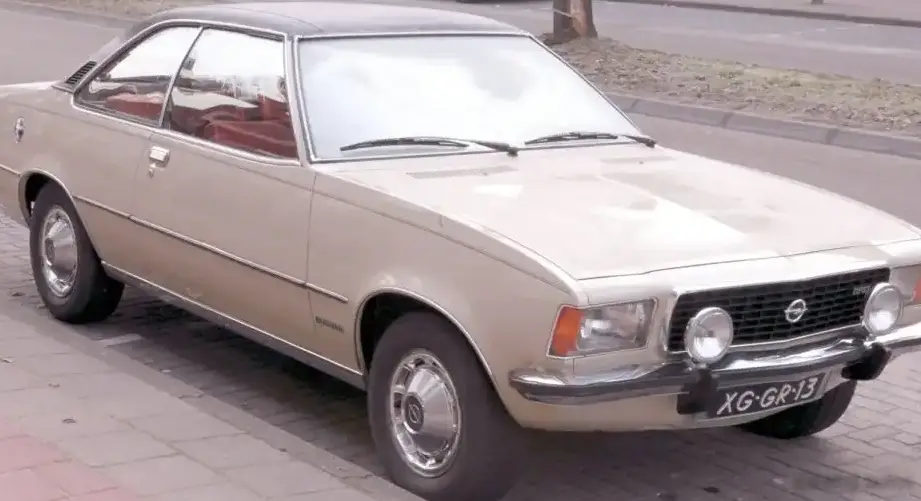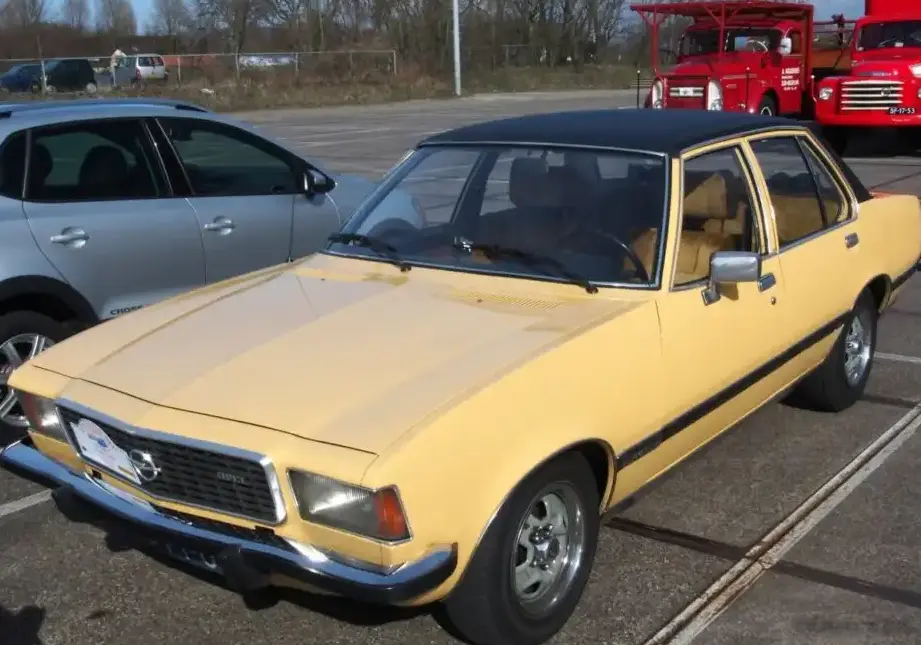
The Opel Commodore B 2.8 GS, produced between 1972 and 1974, represented a significant iteration of Opel’s flagship model. Positioned as a premium, sporty variant within the Commodore B range (introduced in 1972 as a replacement for the Commodore A), the 2.8 GS aimed to offer a blend of performance and comfort for the discerning European driver. It was a key competitor in the upper-midsize segment, facing rivals like the Ford Granada and BMW 2000. The Commodore B was a substantial update over its predecessor, featuring a more modern design and improved mechanicals, and the 2.8 GS was the performance flagship of the line.
Technical Specifications
| Brand | Opel |
| Model | Commodore |
| Generation | Commodore B |
| Type (Engine) | 2.8 GS (142 Hp) |
| Start of production | 1972 |
| End of production | 1974 |
| Powertrain Architecture | Internal Combustion engine |
| Body type | Sedan |
| Seats | 5 |
| Doors | 4 |
| Fuel Type | Petrol (Gasoline) |
| Acceleration 0 – 100 km/h | 12 sec |
| Acceleration 0 – 62 mph | 12 sec |
| Acceleration 0 – 60 mph | 11.4 sec |
| Maximum speed | 184 km/h (114.33 mph) |
| Weight-to-power ratio | 8.9 kg/Hp, 112.3 Hp/tonne |
| Weight-to-torque ratio | 5.9 kg/Nm, 170.8 Nm/tonne |
| Power | 142 Hp @ 5400 rpm |
| Power per litre | 51 Hp/l |
| Torque | 216 Nm @ 3400-3800 rpm (159.31 lb.-ft. @ 3400-3800 rpm) |
| Engine Model/Code | 28HC |
| Engine displacement | 2784 cm3 (169.89 cu. in.) |
| Number of cylinders | 6 |
| Engine configuration | Inline |
| Cylinder Bore | 92 mm (3.62 in.) |
| Piston Stroke | 69.8 mm (2.75 in.) |
| Compression ratio | 9.5:1 |
| Number of valves per cylinder | 2 |
| Fuel injection system | Carburettor |
| Engine aspiration | Naturally aspirated engine |
| Valvetrain | SOHC |
| Engine oil capacity | 5.5 l (5.81 US qt | 4.84 UK qt) |
| Kerb Weight | 1265 kg (2788.85 lbs.) |
| Max. weight | 1705 kg (3758.88 lbs.) |
| Max load | 440 kg (970.03 lbs.) |
| Trunk (boot) space – minimum | 408 l (14.41 cu. ft.) |
| Fuel tank capacity | 70 l (18.49 US gal | 15.4 UK gal) |
| Length | 4607 mm (181.38 in.) |
| Width | 1728 mm (68.03 in.) |
| Height | 1405 mm (55.31 in.) |
| Wheelbase | 2668 mm (105.04 in.) |
| Front track | 1450 mm (57.09 in.) |
| Rear (Back) track | 1400 mm (55.12 in.) |
| Ride height (ground clearance) | 112 mm (4.41 in.) |
| Drag coefficient (Cd) | 0.46 |
| Minimum turning circle (turning diameter) | 11.2 m (36.75 ft.) |
| Drivetrain Architecture | The Internal combustion engine (ICE) drives the rear wheels of the vehicle. |
| Drive wheel | Rear wheel drive |
| Number of gears and type of gearbox | 4 gears, manual transmission |
| Front brakes | Disc |
| Rear brakes | Drum |
Powertrain & Engine Architecture
The heart of the Commodore B 2.8 GS was the 2784cc (169.89 cu. in.) inline-six cylinder engine, designated the 28HC. This engine featured a single overhead camshaft (SOHC) valvetrain and two valves per cylinder. Unlike later fuel-injected Opel engines, the 2.8 GS utilized a carburettor for fuel delivery, a common practice for the era. The carburetion system, while reliable, wasn’t as precise as fuel injection, impacting fuel economy and emissions compared to later models. The engine produced 142 horsepower at 5400 rpm and 216 Nm (159.31 lb.-ft.) of torque between 3400 and 3800 rpm. The engine’s bore and stroke were 92mm x 69.8mm, respectively, and it operated with a compression ratio of 9.5:1. The engine was paired with a four-speed manual transmission as standard, delivering power to the rear wheels.
Driving Characteristics
The 2.8 GS offered a noticeable performance upgrade over the lower-spec Commodore B models. Acceleration to 60 mph took approximately 11.4 seconds, and it could achieve a top speed of around 114 mph. While not a sports car by modern standards, the 2.8 GS provided brisk acceleration and comfortable cruising. The four-speed manual transmission offered a reasonable spread of gears, but the lack of a fifth gear meant engine speeds were relatively high at highway speeds. The rear-wheel-drive configuration provided a balanced feel, although it lacked the handling precision of more modern designs. The engine’s torque curve was relatively flat, providing good responsiveness across a wide range of engine speeds.
Equipment & Trim Levels
The “GS” designation signified a higher level of equipment compared to the base Commodore B. Standard features included upgraded interior trim, often featuring cloth upholstery with patterned inserts, and a more comprehensive instrument cluster. Exterior features included chrome trim, distinctive GS badging, and often, upgraded wheels. Optional extras included a sunroof, power steering, and a more advanced radio system. The interior layout was typical of the early 1970s, with a focus on functionality and durability rather than outright luxury. The dashboard featured a woodgrain finish and a straightforward layout of gauges and controls.
Chassis & Braking
The Commodore B utilized a traditional body-on-frame construction, providing a robust and durable chassis. The suspension consisted of independent front suspension with coil springs and a live axle rear suspension with leaf springs. The 2.8 GS typically featured a thicker front stabilizer bar compared to lower-spec models, improving handling and reducing body roll. Braking was accomplished via disc brakes on the front wheels and drum brakes on the rear. While adequate for the time, the braking system lacked the stopping power and modulation of more modern systems. The steering was a recirculating ball system, providing a relatively heavy but direct feel.
Market Reception & Comparison
The Commodore B 2.8 GS was generally well-received by automotive journalists and buyers alike. It was praised for its spacious interior, comfortable ride, and strong performance. However, some critics noted the car’s relatively high fuel consumption and somewhat dated styling. Compared to the standard Commodore B models, the 2.8 GS offered a significant performance boost, but at a higher price point. Compared to rivals like the Ford Granada, the Commodore B 2.8 GS offered a more refined driving experience, but the Granada often had a slight edge in terms of fuel economy. The 2.8 GS was positioned above the lower-powered Commodore B variants, offering a more premium experience for those willing to pay the extra cost.
Legacy
The Opel Commodore B 2.8 GS remains a popular classic car among enthusiasts today. The 28HC engine is known for its durability and relative simplicity, making it relatively easy to maintain. However, parts availability can be a challenge, and rust can be a significant issue, particularly in vehicles that have not been properly stored. The Commodore B 2.8 GS represents a significant chapter in Opel’s history, showcasing the company’s ability to produce stylish, comfortable, and capable automobiles. In the used car market, well-maintained examples of the 2.8 GS command a premium, reflecting their rarity and desirability among collectors.