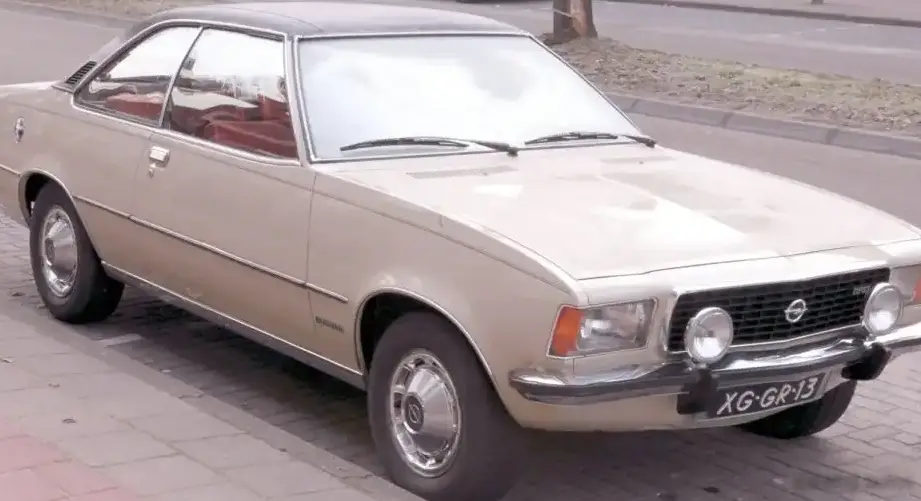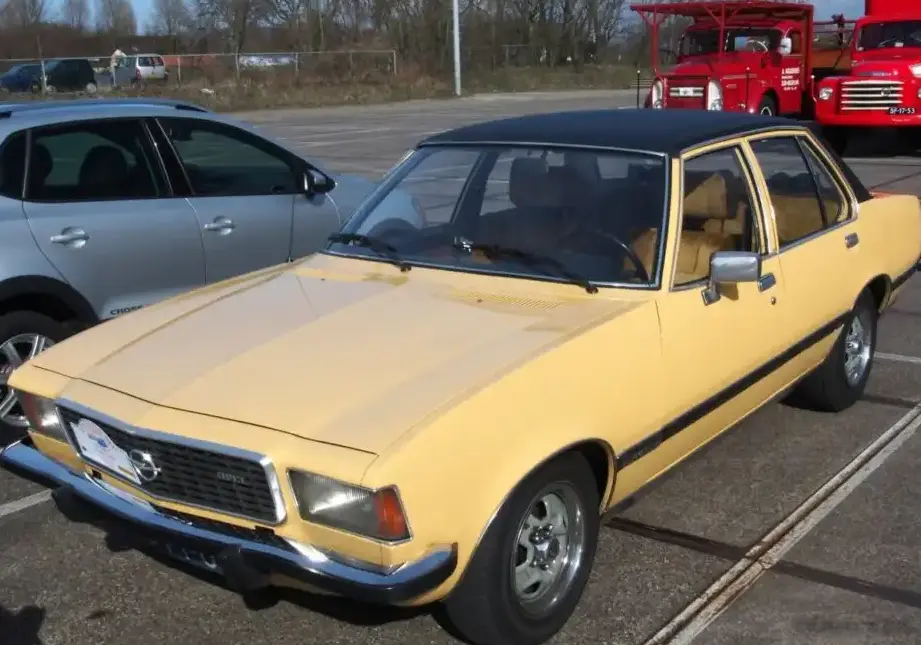
The Opel Commodore B 2.8 GS/E, produced between 1975 and 1978, represented the performance pinnacle of the Commodore B series. Positioned as the top-of-the-line variant, the GS/E (Grand Sport Einspritzung – Grand Sport Injection) offered a significant step up in power and refinement compared to the standard Commodore models. It was a key offering in Opel’s lineup during a period when the brand was gaining recognition for building capable and stylish automobiles, primarily aimed at the European market. The Commodore B, and specifically the 2.8 GS/E, aimed to compete with larger sedans from British and Swedish manufacturers, offering a blend of performance, comfort, and practicality.
Technical Specifications
| Brand | Opel |
| Model | Commodore |
| Generation | Commodore B |
| Type (Engine) | 2.8 GS/E (155 Hp) |
| Start of production | 1975 |
| End of production | 1978 |
| Powertrain Architecture | Internal Combustion engine |
| Body type | Sedan |
| Seats | 4 |
| Doors | 4 |
| Fuel Type | Petrol (Gasoline) |
| Acceleration 0 – 100 km/h | 9.5 sec |
| Acceleration 0 – 62 mph | 9.5 sec |
| Acceleration 0 – 60 mph | 9 sec |
| Maximum speed | 195 km/h (121.17 mph) |
| Weight-to-power ratio | 8.2 kg/Hp, 122.5 Hp/tonne |
| Weight-to-torque ratio | 5.8 kg/Nm, 171.5 Nm/tonne |
| Power | 155 Hp @ 5600 rpm |
| Power per litre | 55.7 Hp/l |
| Torque | 217 Nm @ 4200 rpm (160.05 lb.-ft. @ 4200 rpm) |
| Engine Model/Code | 28EC |
| Engine displacement | 2784 cm3 (169.89 cu. in.) |
| Number of cylinders | 6 |
| Engine configuration | Inline |
| Cylinder Bore | 92 mm (3.62 in.) |
| Piston Stroke | 69.8 mm (2.75 in.) |
| Compression ratio | 9:1 |
| Number of valves per cylinder | 2 |
| Fuel injection system | Multi-port manifold injection |
| Engine aspiration | Naturally aspirated engine |
| Valvetrain | SOHC |
| Engine oil capacity | 5.5 l (5.81 US qt | 4.84 UK qt) |
| Kerb Weight | 1265 kg (2788.85 lbs.) |
| Max. weight | 1720 kg (3791.95 lbs.) |
| Max load | 455 kg (1003.1 lbs.) |
| Trunk (boot) space – minimum | 408 l (14.41 cu. ft.) |
| Fuel tank capacity | 70 l (18.49 US gal | 15.4 UK gal) |
| Length | 4607 mm (181.38 in.) |
| Width | 1728 mm (68.03 in.) |
| Height | 1415 mm (55.71 in.) |
| Wheelbase | 2668 mm (105.04 in.) |
| Front track | 1450 mm (57.09 in.) |
| Rear (Back) track | 1400 mm (55.12 in.) |
| Ride height (ground clearance) | 140 mm (5.51 in.) |
| Drag coefficient (Cd) | 0.46 |
| Minimum turning circle (turning diameter) | 11.2 m (36.75 ft.) |
| Drivetrain Architecture | The Internal combustion engine (ICE) drives the rear wheels of the vehicle. |
| Drive wheel | Rear wheel drive |
| Number of gears and type of gearbox | 4 gears, manual transmission |
| Front brakes | Disc |
| Rear brakes | Disc |
Powertrain & Engine Architecture
The heart of the Commodore B 2.8 GS/E was the 28EC engine, a 2.8-liter inline-six cylinder powerplant. This engine was a significant upgrade from the smaller displacement engines offered in other Commodore B variants. The 28EC featured a single overhead camshaft (SOHC) valvetrain operating two valves per cylinder. Crucially, the GS/E utilized Bosch mechanical fuel injection – a multi-port system – which was a key differentiator from the carbureted engines found in lower trims. This injection system provided more precise fuel delivery, contributing to the engine’s increased power output and improved throttle response. The engine’s 9:1 compression ratio was a compromise between performance and the fuel quality available at the time. The 4-speed manual transmission was standard, providing a direct connection to the rear wheels.
Driving Characteristics
The 2.8-liter engine delivered a respectable 155 horsepower, allowing the Commodore B 2.8 GS/E to accelerate from 0 to 60 mph in around 9 seconds and reach a top speed of approximately 121 mph. While not a sports car by modern standards, this performance was competitive for a large family sedan in the mid-1970s. The fuel injection system provided a noticeable improvement in drivability compared to carbureted versions, offering smoother acceleration and more consistent power delivery. The four-speed manual transmission offered a good balance between performance and usability, although the gear ratios were spaced to prioritize cruising comfort rather than outright acceleration. Compared to the base Commodore models with smaller engines, the GS/E felt significantly more responsive and capable, especially at higher speeds.
Equipment & Trim Levels
The GS/E trim level included a number of features designed to enhance both comfort and style. Standard equipment typically included upgraded upholstery (often featuring a combination of cloth and vinyl), a wood-trimmed dashboard, and a more comprehensive instrument cluster. Power steering and four-wheel disc brakes were also standard, providing improved handling and stopping power. Optional extras included a sunroof, air conditioning, and upgraded audio systems. The GS/E also featured distinctive exterior trim, including chrome accents and unique badging, setting it apart from other Commodore B models.
Chassis & Braking
The Commodore B utilized a traditional body-on-frame construction, providing a robust and durable platform. The suspension consisted of independent front suspension with coil springs and a rigid rear axle with leaf springs. The GS/E benefited from a slightly stiffer suspension setup compared to the standard Commodore, improving handling and reducing body roll. Four-wheel disc brakes were standard, offering superior stopping power compared to the drum brakes found on some lower-trim models. The steering was a recirculating ball system, providing a relatively heavy but precise feel.
Market Reception & Comparison
The Commodore B 2.8 GS/E was generally well-received by automotive critics, who praised its performance, refinement, and overall value. It was seen as a credible alternative to larger, more expensive sedans from other European manufacturers. Fuel economy, however, was a concern, as the 2.8-liter engine was relatively thirsty compared to smaller-displacement alternatives. Compared to the standard Commodore models, the GS/E offered a significant performance upgrade, but at a higher price point. The GS/E was also positioned above the Commodore GS, which featured a smaller engine and less comprehensive equipment list.
Legacy
The Opel Commodore B 2.8 GS/E remains a sought-after classic car today, particularly among enthusiasts of 1970s European automobiles. The 28EC engine, while not overly complex, is generally considered to be a reliable unit when properly maintained. However, as with any classic car, finding parts can be challenging, and rust can be a significant issue. The fuel injection system requires periodic servicing to ensure optimal performance. The Commodore B 2.8 GS/E represents a high point in Opel’s engineering and design, offering a compelling blend of performance, comfort, and style that continues to appeal to collectors and enthusiasts alike. Its robust construction and relatively simple mechanicals make it a rewarding vehicle to own and maintain, offering a glimpse into a bygone era of automotive design.