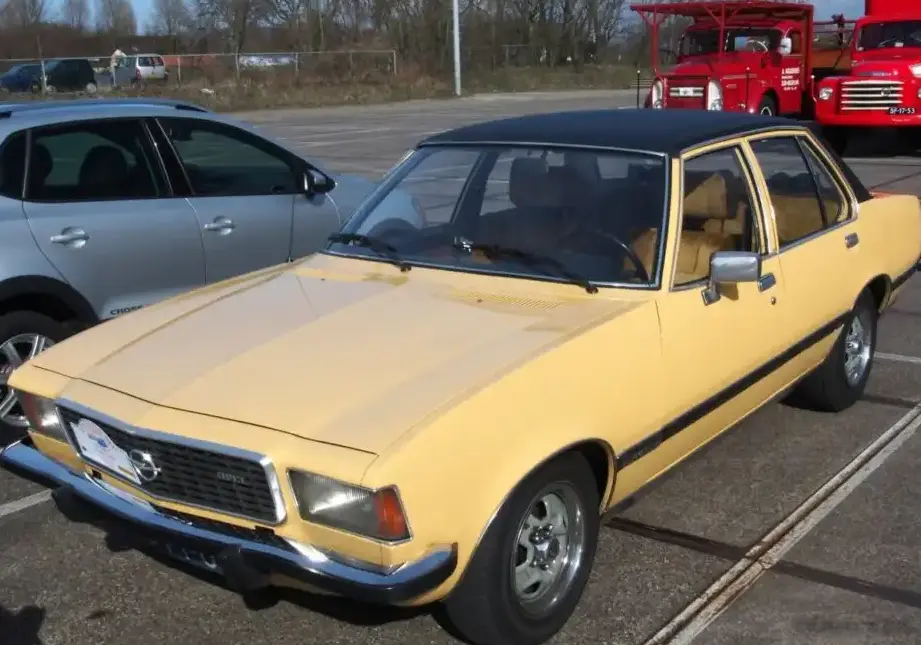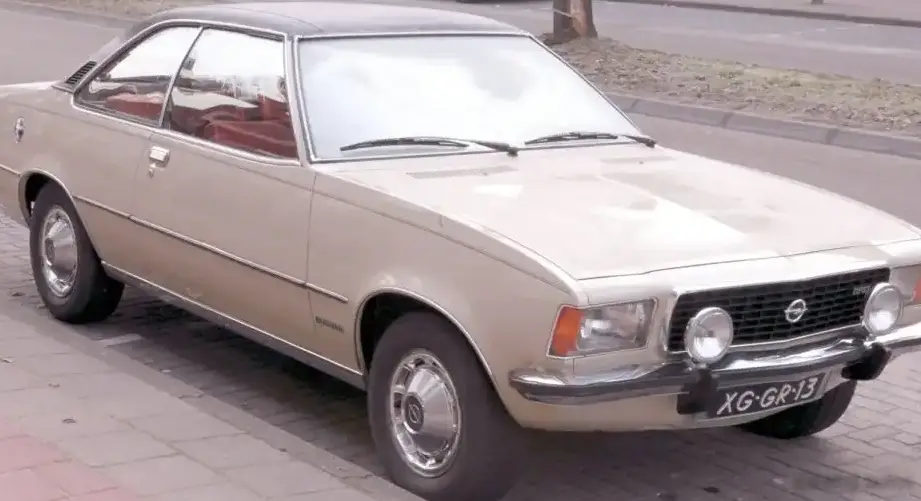
The Opel Commodore B Coupe 2.8 GS/E, produced between 1973 and 1975, represented a high-performance variant of the Commodore B Coupe line. Positioned as the flagship coupe within the Commodore range, the GS/E (Grand Sport/Einspritzung – meaning fuel injection in German, though this model used carburation) offered a blend of sporty styling, respectable performance, and a degree of luxury. It was a key model for Opel during a period of expansion and aimed to compete with other grand touring coupes of the era, particularly those from British and Swedish manufacturers. The Commodore B, and specifically the Coupe, was primarily a European market vehicle, though limited grey market imports did reach North America.
Technical Specifications
| Brand | Opel |
| Model | Commodore |
| Generation | Commodore B Coupe |
| Type (Engine) | 2.8 GS/E (160 Hp) |
| Start of production | 1973 |
| End of production | 1975 |
| Powertrain Architecture | Internal Combustion engine |
| Body type | Coupe |
| Seats | 5 |
| Doors | 2 |
| Fuel Type | Petrol (Gasoline) |
| Acceleration 0 – 100 km/h | 11 sec |
| Acceleration 0 – 62 mph | 11 sec |
| Acceleration 0 – 60 mph | 10.5 sec |
| Maximum speed | 190 km/h (118.06 mph) |
| Weight-to-power ratio | 7.8 kg/Hp, 129 Hp/tonne |
| Weight-to-torque ratio | 5.3 kg/Nm, 189.5 Nm/tonne |
| Power | 160 Hp @ 5300 rpm |
| Power per litre | 57.5 Hp/l |
| Torque | 235 Nm @ 4000 rpm (173.33 lb.-ft. @ 4000 rpm) |
| Engine Model/Code | 28EC |
| Engine displacement | 2784 cm3 (169.89 cu. in.) |
| Number of cylinders | 6 |
| Engine configuration | Inline |
| Cylinder Bore | 92 mm (3.62 in.) |
| Piston Stroke | 69.8 mm (2.75 in.) |
| Compression ratio | 9.5:1 |
| Number of valves per cylinder | 2 |
| Fuel injection system | Carburettor |
| Engine aspiration | Naturally aspirated engine |
| Valvetrain | SOHC |
| Engine oil capacity | 5.5 l (5.81 US qt | 4.84 UK qt) |
| Kerb Weight | 1240 kg (2733.73 lbs.) |
| Max. weight | 1660 kg (3659.67 lbs.) |
| Max load | 420 kg (925.94 lbs.) |
| Trunk (boot) space – minimum | 434 l (15.33 cu. ft.) |
| Fuel tank capacity | 70 l (18.49 US gal | 15.4 UK gal) |
| Length | 4607 mm (181.38 in.) |
| Width | 1728 mm (68.03 in.) |
| Height | 1370 mm (53.94 in.) |
| Wheelbase | 2668 mm (105.04 in.) |
| Front track | 1450 mm (57.09 in.) |
| Rear (Back) track | 1400 mm (55.12 in.) |
| Ride height (ground clearance) | 140 mm (5.51 in.) |
| Drag coefficient (Cd) | 0.45 |
| Minimum turning circle (turning diameter) | 11.2 m (36.75 ft.) |
| Drivetrain Architecture | Rear wheel drive |
| Number of gears and type of gearbox | 4 gears, manual transmission |
| Front brakes | Disc |
| Rear brakes | Drum |
Powertrain & Engine Architecture
The heart of the Commodore B 2.8 GS/E was the 28EC inline-six cylinder engine, displacing 2784cc (169.89 cubic inches). Despite the “Einspritzung” designation, this engine utilized a Solex 40 PHH carburetor, not fuel injection. The engine featured a single overhead camshaft (SOHC) valvetrain operating two valves per cylinder. Bore and stroke dimensions were 92mm x 69.8mm, resulting in a compression ratio of 9.5:1. This configuration produced 160 horsepower at 5300 rpm and 235 Nm (173.33 lb-ft) of torque at 4000 rpm. The engine was known for its relatively smooth operation and willingness to rev, though it lacked the outright punch of some contemporary V6 and V8 engines. The transmission was a four-speed manual, providing a direct connection to the rear wheels.
Driving Characteristics
The 2.8 GS/E offered a reasonably engaging driving experience for its time. The 160 hp engine, coupled with the four-speed manual transmission, allowed for a 0-60 mph time of around 10.5 seconds and a top speed of approximately 118 mph. While not a sports car in the modern sense, the Commodore B Coupe provided adequate acceleration and a comfortable cruising speed for long-distance journeys. The manual transmission allowed for driver control, but the gear ratios were spaced to prioritize fuel economy and relaxed highway driving rather than outright performance. Compared to the base Commodore models with smaller engines, the 2.8 GS/E offered a noticeable improvement in acceleration and overall responsiveness. It didn’t possess the raw power of the later Commodore GS/E models with fuel injection, but it was a more affordable and accessible option.
Equipment & Trim Levels
The GS/E trim level included a number of features designed to enhance both comfort and style. Standard equipment typically included upgraded upholstery (often featuring a combination of cloth and vinyl), a wood-trimmed dashboard, and a comprehensive instrument cluster. Exterior features included distinctive GS/E badging, often a chrome trim around the windows, and sometimes a rear spoiler. Optional extras could include a sunroof, upgraded audio systems, and power-assisted steering. The interior was generally well-appointed for the era, offering a comfortable and spacious cabin for both driver and passengers.
Chassis & Braking
The Commodore B Coupe utilized a traditional body-on-frame construction. The front suspension consisted of independent double wishbones with coil springs and anti-roll bar, while the rear suspension employed a live axle with leaf springs. Braking was accomplished via disc brakes on the front wheels and drum brakes on the rear. The braking system was adequate for the car’s weight and performance, but lacked the stopping power of more modern systems. The suspension provided a comfortable ride, but could exhibit some body roll during spirited cornering. The GS/E trim often featured a slightly stiffer suspension setup compared to the base models, improving handling characteristics.
Market Reception & Comparison
The Opel Commodore B Coupe 2.8 GS/E was generally well-received by automotive journalists and enthusiasts in Europe. It was praised for its stylish design, comfortable interior, and respectable performance. However, some critics noted that it lacked the outright sporting character of some of its rivals, such as the Ford Capri or Volvo coupes. Fuel economy was also a concern, as with most large-displacement engines of the era. Compared to other Commodore B variants, the 2.8 GS/E offered a significant performance upgrade over the smaller-engined models, but at a higher price point. It represented a good balance between performance, comfort, and affordability for buyers seeking a stylish and capable grand touring coupe.
Legacy
The Opel Commodore B Coupe 2.8 GS/E remains a popular classic car among enthusiasts today. The 28EC engine, while not overly complex, is generally considered reliable if properly maintained. Parts availability can be a challenge, but a dedicated network of Opel enthusiasts and specialist suppliers exists. The carburetor requires periodic adjustment and cleaning, and rust prevention is crucial, particularly in regions with harsh winters. The Commodore B Coupe 2.8 GS/E represents a significant piece of Opel’s history, embodying the design and engineering trends of the early 1970s. Its blend of style, comfort, and performance continues to appeal to collectors and classic car enthusiasts alike, ensuring its place in automotive history.