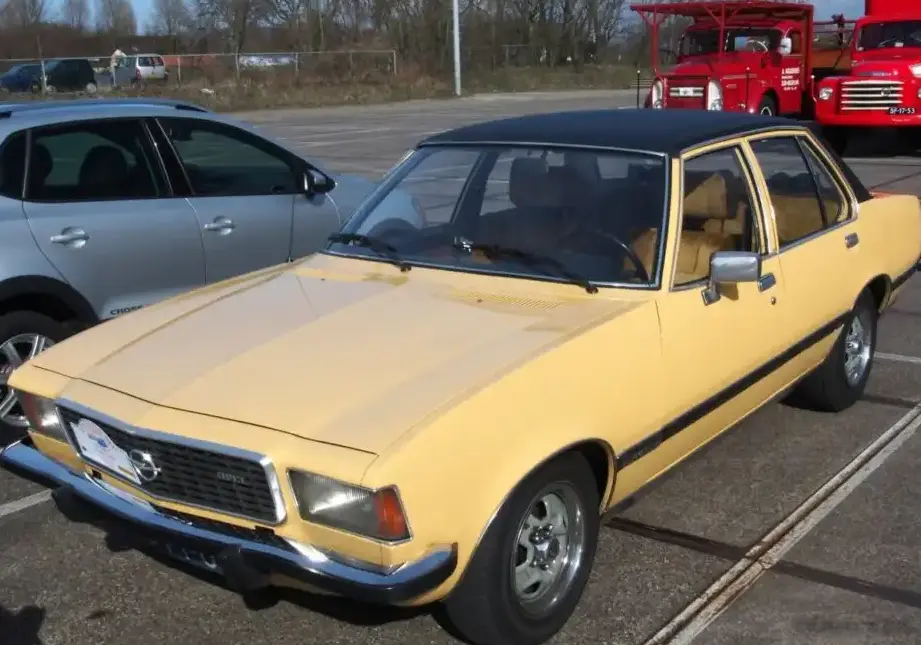
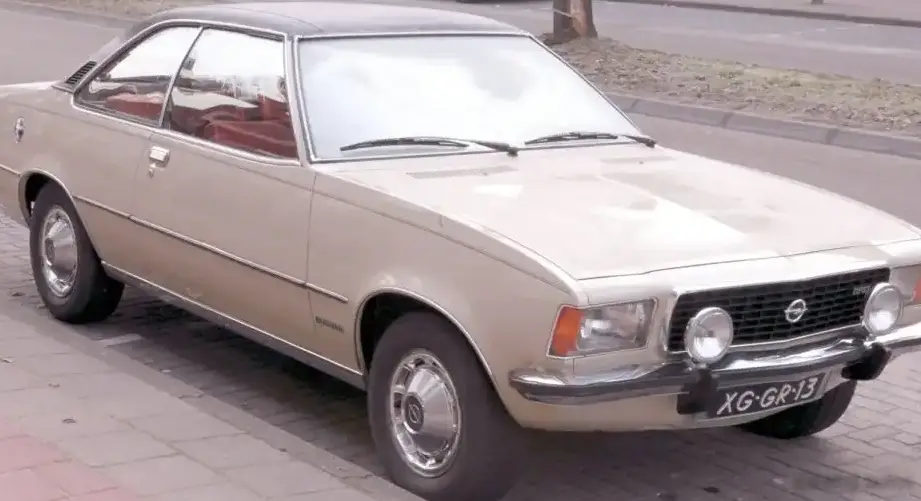
The Opel Commodore C Caravan 2.5 E, produced between 1980 and 1982, represented a refined iteration of Opel’s long-running Commodore line. Positioned as a premium family estate car, the 2.5 E variant offered a balance of performance and practicality within the Commodore C range. It was built on the GM’s V platform, shared with other Opel and Vauxhall models, and aimed at buyers seeking a spacious, comfortable, and relatively powerful station wagon. This particular version, with its 2.5-liter engine and manual transmission, occupied a mid-range position in the Commodore C Caravan lineup, offering a step up from the smaller displacement engines while remaining more accessible than the top-of-the-line models.
Technical Specifications
| Brand | Opel |
| Model | Commodore |
| Generation | Commodore C Caravan |
| Type (Engine) | 2.5 E (130 Hp) |
| Start of production | 1980 |
| End of production | 1982 |
| Powertrain Architecture | Internal Combustion engine |
| Body type | Station wagon (estate) |
| Seats | 5 |
| Doors | 5 |
| Fuel consumption (combined) | 11.4 l/100 km |
| Fuel consumption (US mpg) | 20.6 US mpg |
| Fuel consumption (UK mpg) | 24.8 UK mpg |
| Fuel consumption (km/l) | 8.8 km/l |
| Fuel Type | Petrol (Gasoline) |
| Acceleration 0 – 100 km/h | 12 sec |
| Acceleration 0 – 62 mph | 12 sec |
| Acceleration 0 – 60 mph | 11.4 sec |
| Maximum speed | 187 km/h (116.2 mph) |
| Weight-to-power ratio | 10.1 kg/Hp |
| Hp/tonne | 99.1 Hp/tonne |
| Weight-to-torque ratio | 7.1 kg/Nm |
| Nm/tonne | 141 Nm/tonne |
| Power | 130 Hp @ 5600 rpm |
| Power per litre | 52.2 Hp/l |
| Torque | 185 Nm @ 4600 rpm (136.45 lb.-ft. @ 4600 rpm) |
| Engine Model/Code | 25E |
| Engine displacement | 2490 cm3 (151.95 cu. in.) |
| Number of cylinders | 6 |
| Engine configuration | Inline |
| Cylinder Bore | 87 mm (3.43 in.) |
| Piston Stroke | 69.8 mm (2.75 in.) |
| Compression ratio | 9.2:1 |
| Number of valves per cylinder | 2 |
| Fuel injection system | Multi-port manifold injection |
| Engine aspiration | Naturally aspirated engine |
| Valvetrain | SOHC |
| Engine oil capacity | 5.5 l (5.81 US qt | 4.84 UK qt) |
| Kerb Weight | 1312 kg (2892.46 lbs.) |
| Max. weight | 1935 kg (4265.94 lbs.) |
| Max load | 623 kg (1373.48 lbs.) |
| Fuel tank capacity | 70 l (18.49 US gal | 15.4 UK gal) |
| Max. roof load | 100 kg (220.46 lbs.) |
| Permitted trailer load with brakes (12%) | 1400 kg (3086.47 lbs.) |
| Permitted trailer load without brakes | 630 kg (1388.91 lbs.) |
| Length | 4732 mm (186.3 in.) |
| Width | 1722 mm (67.8 in.) |
| Height | 1470 mm (57.87 in.) |
| Wheelbase | 2668 mm (105.04 in.) |
| Front track | 1447 mm (56.97 in.) |
| Rear track | 1438 mm (56.61 in.) |
| Front overhang | 956 mm (37.64 in.) |
| Rear overhang | 1108 mm (43.62 in.) |
| Drag coefficient (Cd) | 0.46 |
| Minimum turning circle | 10.8 m (35.43 ft.) |
| Drivetrain Architecture | Rear wheel drive |
| Number of gears | 4 |
| Gearbox type | Manual transmission |
| Front brakes | Ventilated discs |
| Rear brakes | Drum |
| Tires size | 175/88 R14 |
| Wheel rims size | 6J x 14 |
Powertrain & Engine Architecture
The heart of the Commodore C Caravan 2.5 E was the 25E inline-six engine. This 2.5-liter (2490 cc) engine featured a single overhead camshaft (SOHC) valvetrain operating two valves per cylinder. The engine utilized multi-port fuel injection, a relatively modern feature for the time, which improved fuel efficiency and responsiveness compared to carbureted engines. The 25E produced 130 horsepower at 5600 rpm and 185 Nm (136.45 lb-ft) of torque at 4600 rpm. The four-speed manual transmission was a standard offering, providing drivers with direct control over the engine’s power. This transmission was chosen for its durability and relatively simple design. The engine’s inline-six configuration contributed to a smooth power delivery, although it wasn’t as inherently balanced as a V6.
Driving Characteristics
The Commodore C Caravan 2.5 E with the manual transmission offered a reasonably engaging driving experience for a large family car of the era. Acceleration to 60 mph took around 11.4 seconds, and it could reach a top speed of 116.2 mph. While not a sports car, the 2.5-liter engine provided sufficient power for comfortable highway cruising and overtaking. The manual gearbox allowed drivers to exploit the engine’s torque, making it feel more responsive than versions equipped with an automatic transmission. The gear ratios were fairly widely spaced, prioritizing fuel economy at cruising speeds. Compared to the smaller 1.8-liter and 2.0-liter engines in the Commodore range, the 2.5 E offered noticeably more power and torque, making it a better choice for those who frequently carried passengers or cargo. However, it didn’t possess the outright performance of the higher-spec Commodore GS models.
Equipment & Trim Levels
The Commodore C Caravan 2.5 E typically came equipped with a respectable level of standard features for the early 1980s. Interior appointments included cloth upholstery, a basic instrument cluster, and a four-spoke steering wheel. Power-assisted steering was often included, making the car easier to maneuver. Optional extras included a sunroof, upgraded audio systems, and more luxurious interior trim options. The Caravan body style itself prioritized practicality, offering a large cargo area accessible through a rear tailgate. The 2.5 E trim level generally represented a good balance between comfort and affordability, offering more features than the base models but without the premium price tag of the top-spec versions.
Chassis & Braking
The Commodore C Caravan featured a conventional rear-wheel-drive chassis with independent front suspension and a live axle rear suspension. The front suspension utilized coil springs and anti-roll bar, while the rear suspension employed leaf springs. Braking was accomplished via ventilated discs on the front wheels and drum brakes on the rear. The braking system was adequate for the car’s weight and performance, but it lacked the sophistication of more modern braking systems. The suspension setup prioritized ride comfort, providing a relatively smooth and compliant ride, even on uneven road surfaces. The rear drum brakes were a cost-saving measure and didn’t offer the same stopping power as disc brakes on all four wheels.
Market Reception & Comparison
The Opel Commodore C Caravan 2.5 E was generally well-received by automotive critics as a practical and comfortable family car. It was praised for its spacious interior, comfortable ride, and relatively powerful engine. However, some critics noted that the car’s styling was somewhat dated compared to newer models on the market. Compared to other station wagons of the time, such as the Ford Estate and Volvo 240, the Commodore offered a good balance of performance, practicality, and value. Fuel economy was typical for a car of its size and engine displacement, around 20.6 US mpg. Reliability was generally good, although maintenance costs could be higher than for some smaller, more economical cars.
Legacy
The Opel Commodore C Caravan 2.5 E, while not a particularly rare or collectible car today, holds a nostalgic appeal for enthusiasts of classic Opel vehicles. The 25E engine is known for its durability and relative simplicity, making it a relatively easy engine to maintain and repair. Parts availability can be a challenge, but many components are still available through specialist suppliers. In the used car market, well-maintained examples of the Commodore C Caravan 2.5 E are sought after by collectors and enthusiasts who appreciate its classic styling and comfortable driving experience. The Commodore C series, as a whole, represents a significant chapter in Opel’s history, showcasing the brand’s commitment to building spacious, comfortable, and reliable family cars.