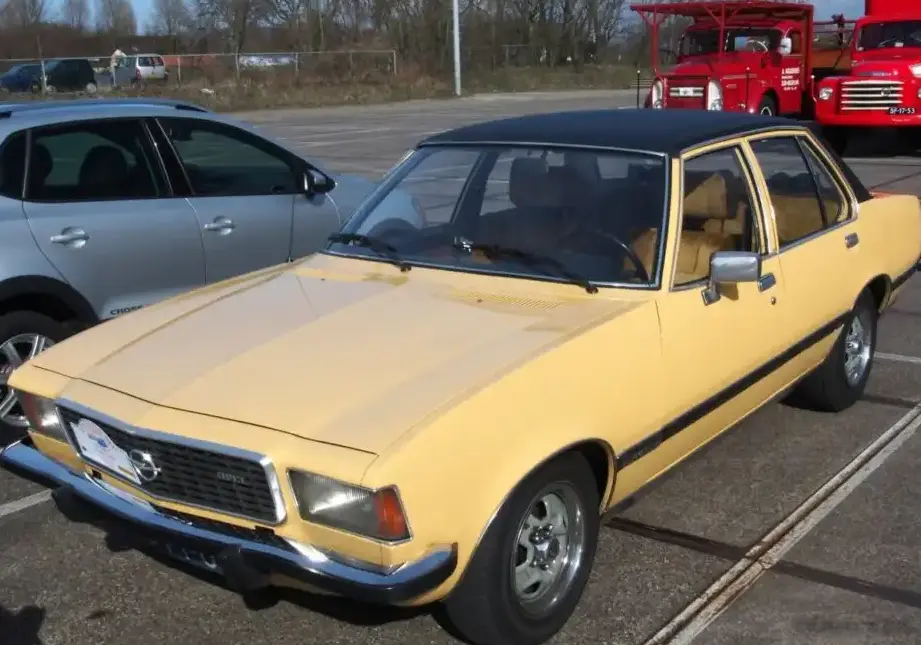
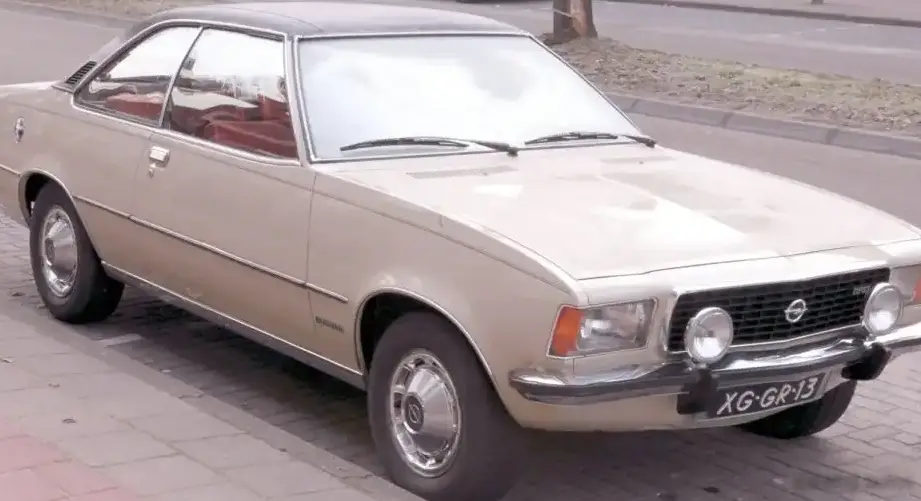
The Opel Commodore C Caravan 2.5 S, produced between 1980 and 1982, represented a significant iteration of Opel’s long-running Commodore line. Positioned as a mid-range offering within the Commodore C Caravan (estate) body style, the 2.5 S variant aimed to balance performance with practicality and affordability. It was part of the larger Commodore C series (1978-1982), which itself was based on the GM’s V-platform, shared with other European brands like Vauxhall. The Caravan body style, a station wagon, was popular in Europe for its spaciousness and versatility, making the 2.5 S a common sight on family holidays and for those needing a vehicle capable of hauling goods.
Technical Specifications
| Brand | Opel |
| Model | Commodore |
| Generation | Commodore C Caravan |
| Type (Engine) | 2.5 S (115 Hp) |
| Start of production | 1980 |
| End of production | 1982 |
| Powertrain Architecture | Internal Combustion engine |
| Body type | Station wagon (estate) |
| Seats | 5 |
| Doors | 5 |
| Fuel consumption (combined) | 9.2 l/100 km |
| Fuel consumption (US mpg) | 25.6 US mpg |
| Fuel consumption (UK mpg) | 30.7 UK mpg |
| Fuel consumption (km/l) | 10.9 km/l |
| Fuel Type | Petrol (Gasoline) |
| Acceleration 0 – 100 km/h | 12.5 sec |
| Acceleration 0 – 62 mph | 12.5 sec |
| Acceleration 0 – 60 mph | 11.9 sec |
| Maximum speed | 177 km/h (109.98 mph) |
| Weight-to-power ratio | 11.2 kg/Hp |
| Weight-to-torque ratio | 7.2 kg/Nm |
| Power | 115 Hp @ 5200 rpm |
| Power per litre | 46.2 Hp/l |
| Torque | 179 Nm @ 3800-4200 rpm (132.02 lb.-ft. @ 3800-4200 rpm) |
| Engine Model/Code | 25S |
| Engine displacement | 2490 cm3 (151.95 cu. in.) |
| Number of cylinders | 6 |
| Engine configuration | Inline |
| Cylinder Bore | 87 mm (3.43 in.) |
| Piston Stroke | 69.8 mm (2.75 in.) |
| Compression ratio | 9.2:1 |
| Fuel injection system | Carburettor |
| Engine aspiration | Naturally aspirated |
| Engine oil capacity | 5.5 l (5.81 US qt | 4.84 UK qt) |
| Kerb Weight | 1287 kg (2837.35 lbs.) |
| Max. weight | 1910 kg (4210.83 lbs.) |
| Max load | 623 kg (1373.48 lbs.) |
| Fuel tank capacity | 70 l (18.49 US gal | 15.4 UK gal) |
| Max. roof load | 100 kg (220.46 lbs.) |
| Permitted trailer load (braked) | 1400 kg (3086.47 lbs.) |
| Permitted trailer load (unbraked) | 630 kg (1388.91 lbs.) |
| Length | 4732 mm (186.3 in.) |
| Width | 1722 mm (67.8 in.) |
| Height | 1470 mm (57.87 in.) |
| Wheelbase | 2668 mm (105.04 in.) |
| Front track | 1447 mm (56.97 in.) |
| Rear track | 1438 mm (56.61 in.) |
| Front overhang | 956 mm (37.64 in.) |
| Rear overhang | 1108 mm (43.62 in.) |
| Drag coefficient (Cd) | 0.46 |
| Turning circle | 10.8 m (35.43 ft.) |
| Drivetrain Architecture | Front wheel drive |
| Number of gears | 4 |
| Gearbox type | Manual transmission |
| Tire size | 175/88 R14 |
| Wheel rim size | 6J x 14 |
Powertrain & Engine Architecture
The heart of the Commodore C Caravan 2.5 S was the 25S inline-six cylinder engine, displacing 2490cc. This engine, a staple of Opel’s mid-size offerings, featured a single overhead camshaft (SOHC) valvetrain and was fed by a carburetor – a relatively common setup for the era. The 25S engine was known for its smooth operation and reasonable power output, though it lacked the sophistication of fuel injection systems becoming increasingly prevalent in the late 1970s and early 1980s. The 115 horsepower peak was achieved at 5200 rpm, while the 179 Nm (132 lb-ft) of torque was available between 3800 and 4200 rpm. The engine was mated to a four-speed manual transmission, providing a direct connection to the front wheels. This front-wheel-drive configuration was relatively modern for the time, offering improved traction compared to rear-wheel-drive layouts, especially in inclement weather.
Driving Characteristics
The 2.5 S, with its 115 hp and four-speed manual gearbox, offered a respectable, if not exhilarating, driving experience. Acceleration from 0 to 60 mph took around 11.9 seconds, and it could reach a top speed of 177 km/h (109.98 mph). Compared to the more powerful Commodore GS/E models, the 2.5 S felt noticeably less responsive. However, the lower power output also meant better fuel economy – around 25.6 US mpg combined – and potentially lower maintenance costs. The four-speed manual transmission provided adequate control, but the gear ratios weren’t particularly optimized for performance. The front-wheel-drive setup contributed to predictable handling, but the relatively soft suspension tuning prioritized comfort over sporty dynamics. It was a car designed for comfortable cruising and everyday usability rather than spirited driving.
Equipment & Trim Levels
The Commodore C Caravan 2.5 S was positioned as a well-equipped, mid-range model. Standard features typically included cloth upholstery, a basic radio, and manual windows. The interior design was functional and straightforward, reflecting the car’s focus on practicality. Optional extras could include upgraded radios, a sunroof, and more comfortable seating. The Caravan body style itself offered a generous amount of cargo space, making it ideal for families or those needing to transport large items. The trim level was identifiable by subtle badging and often included a slightly more refined interior finish compared to the base Commodore models.
Chassis & Braking
The Commodore C Caravan featured a MacPherson strut front suspension and a rigid axle rear suspension. The 2.5 S variant typically used drum brakes on the rear wheels and disc brakes on the front, providing adequate stopping power for its weight class. Stabilizer bars were fitted to both the front and rear axles to reduce body roll during cornering. The suspension was tuned for comfort, resulting in a relatively soft ride. The steering was power-assisted, making it easier to maneuver in tight spaces. The chassis was robust and well-built, contributing to the car’s overall durability.
Market Reception & Comparison
The Commodore C Caravan 2.5 S was generally well-received in the European market. Critics praised its spaciousness, practicality, and comfortable ride. However, some noted that the engine lacked the refinement and performance of more modern alternatives. Compared to the higher-spec Commodore GS/E models, the 2.5 S offered a more affordable entry point into the Commodore range, but at the expense of performance. Compared to other station wagons of the era, such as the Ford Estate or Volvo 240, the Commodore offered a good balance of features and value. Its fuel economy was competitive for the time, but not exceptional.
Legacy
The Opel Commodore C Caravan 2.5 S, while not a particularly rare or collectible car today, holds a nostalgic appeal for many enthusiasts. The 25S engine, while simple in design, proved to be relatively reliable and durable. Parts availability can be a challenge, but many components are still obtainable. In the used car market, these Commodores are often sought after as affordable classic cars, offering a glimpse into 1980s automotive design and engineering. The front-wheel-drive layout and spacious interior continue to be appreciated by those seeking a practical and comfortable classic vehicle. The Commodore C Caravan 2.5 S represents a solid, dependable family car from a bygone era.