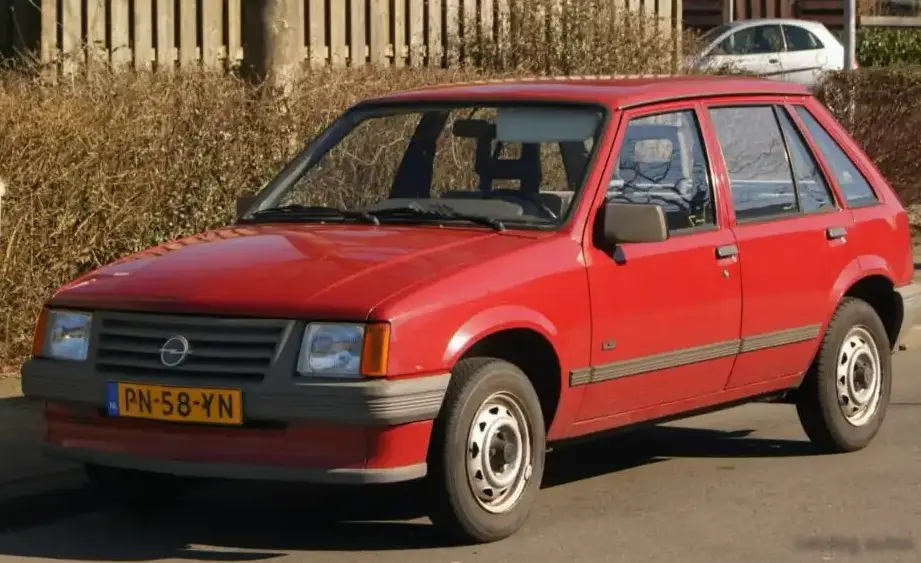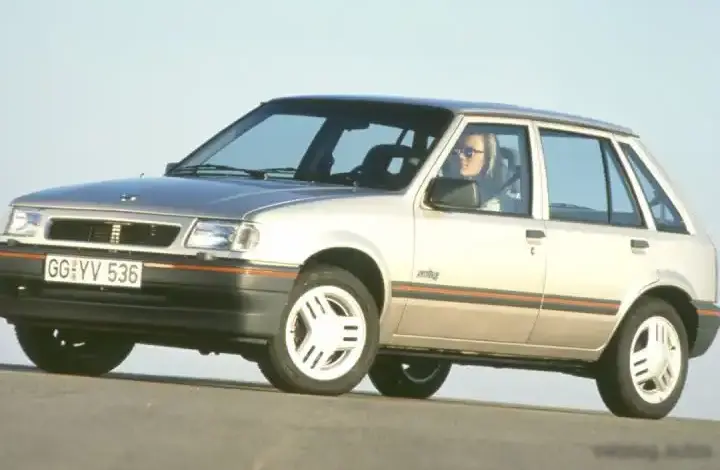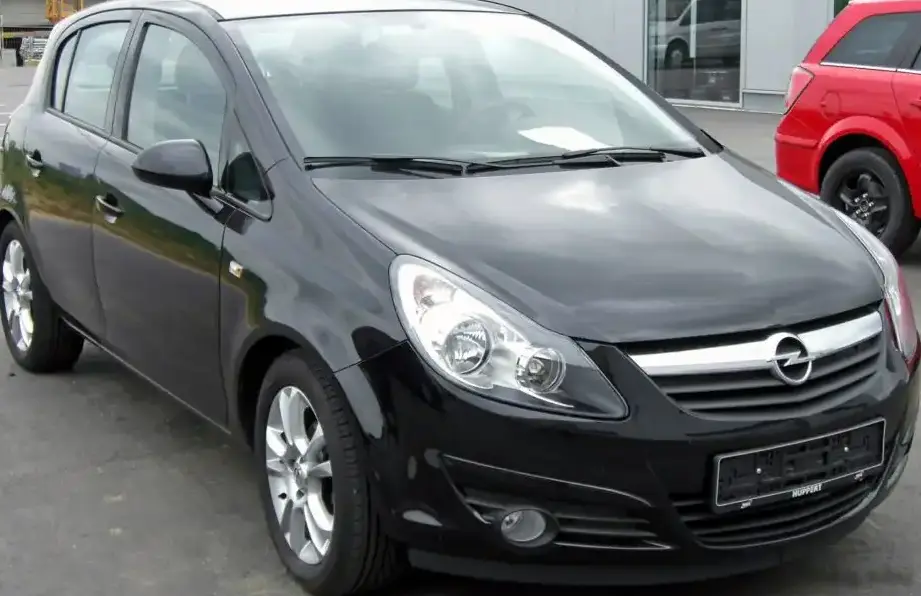
The Opel Corsa D 5-door 1.2 LPG (80/78 hp) ecoFLEX was a variant of the fourth-generation Corsa (D) produced between July 2009 and November 2010. Positioned as an economy-focused option within the Corsa D range, it offered a bi-fuel petrol/LPG system aimed at reducing running costs and emissions. This model was primarily marketed in Europe, where LPG conversions and dedicated LPG vehicles were more common than in North America. The Corsa D itself represented a significant step forward for Opel in terms of design, safety, and overall refinement, competing directly with rivals like the Ford Fiesta, Volkswagen Polo, and Renault Clio.
Technical Specifications
| Brand | Opel |
| Model | Corsa |
| Generation | Corsa D 5-door |
| Type (Engine) | 1.2 LPG (80/78 Hp) ecoFLEX |
| Start of production | July, 2009 |
| End of production | November, 2010 |
| Powertrain Architecture | Internal Combustion engine |
| Body type | Hatchback |
| Seats | 5 |
| Doors | 5 |
| Fuel consumption (economy) – combined | 6.1 l/100 km (38.6 US mpg, 46.3 UK mpg, 16.4 km/l) |
| Fuel consumption (economy) – combined (LPG) | 7.8 l/100 km |
| CO2 emissions | 146 g/km |
| CO2 emissions (LPG) | 127 g/km |
| Fuel Type | Petrol / LPG |
| Acceleration 0 – 100 km/h | 13.9 sec |
| Acceleration 0 – 62 mph | 13.9 sec |
| Acceleration 0 – 100 km/h (LPG) | 14.1 sec |
| Acceleration 0 – 60 mph (Calculated) | 13.2 sec |
| Maximum speed | 168 km/h (104.39 mph) |
| Maximum speed (LPG) | 166 km/h |
| Emission standard | Euro 4 |
| Weight-to-power ratio | 14.1 kg/Hp, 70.8 Hp/tonne |
| Weight-to-torque ratio | 9.8 kg/Nm, 101.8 Nm/tonne |
| Power | 80 Hp @ 5600 rpm |
| Power per litre | 65.1 Hp/l |
| Power (LPG) | 78 Hp @ 5600 rpm |
| Power per litre (LPG) | 63.5 Hp/l |
| Torque | 115 Nm @ 4000 rpm (84.82 lb.-ft. @ 4000 rpm) |
| Torque (LPG) | 105 Nm @ 4000 rpm |
| Engine layout | Front, Transverse |
| Engine Model/Code | Z12XEP |
| Engine displacement | 1229 cm3 (75 cu. in.) |
| Number of cylinders | 4 |
| Engine configuration | Inline |
| Compression ratio | 10.5:1 |
| Number of valves per cylinder | 4 |
| Fuel injection system | Multi-port manifold injection |
| Engine oil capacity | 3.5 l (3.7 US qt | 3.08 UK qt) |
| Coolant capacity | 5 l (5.28 US qt | 4.4 UK qt) |
| Kerb Weight | 1130 kg (2491.22 lbs.) |
| Max. weight | 1555 kg (3428.19 lbs.) |
| Max load | 425 kg (936.96 lbs.) |
| Length | 3999 mm (157.44 in.) |
| Width | 1737 mm (68.39 in.) |
| Width including mirrors | 1944 mm (76.54 in.) |
| Height | 1488 mm (58.58 in.) |
| Wheelbase | 2511 mm (98.86 in.) |
| Front track | 1485 mm (58.46 in.) |
| Rear track | 1478 mm (58.19 in.) |
| Ride height (ground clearance) | 140 mm (5.51 in.) |
| Drag coefficient (Cd) | 0.32 |
| Minimum turning circle | 10.4 m (34.12 ft.) |
| Drivetrain Architecture | ICE to Front Wheels |
| Drive wheel | Front wheel drive |
| Number of gears | 5 |
| Gearbox type | Manual transmission |
| Front brakes | Ventilated discs |
| Rear brakes | Drum |
| Assisting systems | ABS |
| Steering type | Steering rack and pinion |
| Tires size | 185/65 R15 |
| Wheel rims size | 15 |
Powertrain & Engine Architecture
The heart of the Corsa D 1.2 LPG ecoFLEX is the Z12XEP engine, a 1.2-liter (1229 cc) inline-four cylinder petrol engine. This engine belongs to Opel’s ‘Family 0’ engine family, known for its compact size and relatively simple design. It features multi-point fuel injection and a single overhead camshaft (SOHC) operating four valves per cylinder. The engine’s modest output of 80 horsepower at 5600 rpm and 115 Nm (85 lb-ft) of torque at 4000 rpm reflects its focus on fuel efficiency rather than outright performance. When running on LPG, the power output drops slightly to 78 hp. The LPG system is a dedicated conversion, meaning it has a separate fuel tank and fuel delivery system, allowing the driver to switch between petrol and LPG operation. The transmission is a five-speed manual gearbox, chosen for its efficiency and cost-effectiveness. The engine’s design prioritized low friction and optimized combustion to minimize fuel consumption and emissions.
Driving Characteristics
The 1.2 LPG ecoFLEX variant of the Corsa D offered a decidedly economy-oriented driving experience. Acceleration was leisurely, taking approximately 13.9 seconds to reach 62 mph (100 km/h). The five-speed manual transmission was geared to maximize fuel efficiency, meaning that higher gears were engaged at lower speeds. While adequate for urban driving and shorter trips, the engine felt strained when attempting to accelerate quickly or maintain high speeds on the highway. Compared to other Corsa D variants, such as the 1.4-liter or 1.7-liter diesel models, the 1.2 LPG offered significantly less power and torque. However, the LPG system provided a noticeable cost saving at the pump, particularly in countries where LPG was significantly cheaper than petrol. The ride quality was typical for a small hatchback – comfortable enough for everyday use, but not particularly refined.
Equipment & Trim Levels
The 1.2 LPG ecoFLEX trim generally represented an entry-level offering within the Corsa D range. Standard equipment typically included central locking, power steering, front airbags, and an adjustable steering column. Interior upholstery was usually basic cloth, and the dashboard featured a simple, functional design. Optional extras could include air conditioning, alloy wheels, and a CD player. The ecoFLEX designation also indicated the inclusion of specific fuel-saving technologies, such as low rolling resistance tires and optimized engine management software. The overall interior ambiance was practical and durable, prioritizing functionality over luxury.
Chassis & Braking
The Corsa D 1.2 LPG utilized a MacPherson strut front suspension and a torsion beam rear suspension. This setup provided a reasonable balance between ride comfort and handling. The front brakes were ventilated discs, offering adequate stopping power, while the rear brakes were drums, a cost-saving measure common in this segment. ABS (Anti-lock Braking System) was standard, enhancing safety during emergency braking. The steering was a rack and pinion system, providing precise and responsive control. The relatively light weight of the vehicle (1130 kg / 2491 lbs) helped to offset the engine’s modest power output, contributing to acceptable handling characteristics.
Market Reception & Comparison
The Corsa D 1.2 LPG ecoFLEX was well-received by buyers seeking an affordable and fuel-efficient small car. Critics praised its low running costs and reduced emissions, but noted its lack of performance. Compared to the petrol-only 1.2-liter Corsa D, the LPG variant offered a similar driving experience with the added benefit of lower fuel bills. However, it was less popular than the diesel-powered Corsa D models, which offered superior fuel economy and torque. The LPG version appealed to drivers who covered high mileages and had access to a readily available LPG supply network.
Legacy
The Opel Corsa D 1.2 LPG ecoFLEX represents a period of increasing focus on fuel efficiency and alternative fuels in the automotive industry. While not a performance icon, it provided a practical and economical transportation solution for many European drivers. The Z12XEP engine proved to be relatively reliable, although regular maintenance is essential to ensure longevity. In the used car market, these models are often sought after by budget-conscious buyers looking for a low-cost-to-run vehicle. The availability of LPG infrastructure remains a key factor in the desirability of these cars today. The Corsa D, in general, established Opel as a competitive player in the small hatchback segment, paving the way for future generations of the Corsa.