The Opel Rekord E Caravan (facelift 1982): A European Workhorse of the Early Eighties
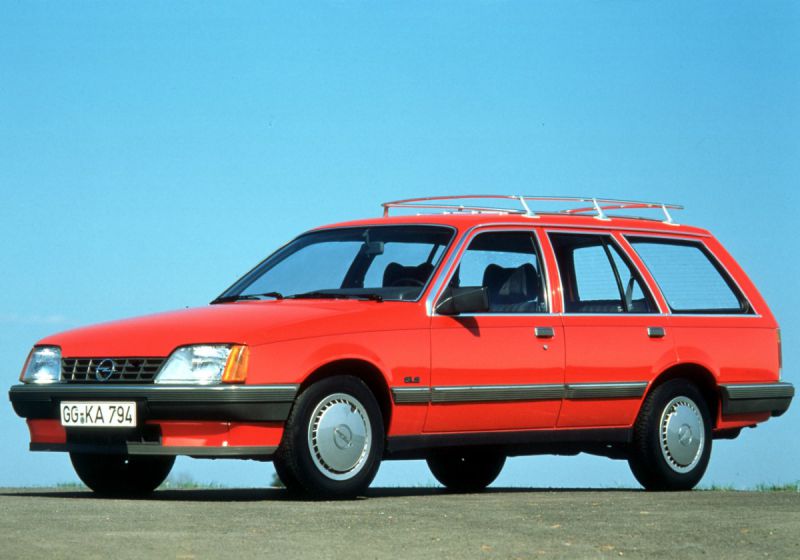
The Opel Rekord E Caravan (facelift 1982) represents a significant chapter in European automotive history, serving as a reliable and practical family and utility vehicle across the continent. Produced by the German automaker Opel, this particular iteration, known internally as the Rekord E2, was the updated version of the fifth-generation Rekord, which originally launched in 1977. The facelifted model, introduced in September 1982, brought subtle yet effective enhancements, refining its design and mechanics to keep pace with the evolving demands of the European market. As a classic car, its legacy is rooted in its role as an accessible, durable, and spacious station wagon, a staple for families and businesses alike in its primary European operating environment. Though never officially sold in the United States, the Rekord E2 exemplified the practical, rear-wheel-drive sedan and wagon architecture that was common in Europe during the era, offering a blend of sturdy engineering and no-nonsense utility.
Engine & Performance: The 2.3 D (65 Hp) Automatic Powertrain
At the heart of the Opel Rekord E Caravan (facelift 1982) featured here is a robust 2.3-liter (2260 cm³) naturally aspirated inline-four diesel engine, designated with the model code 23D. This powerplant was designed for durability and fuel economy, typical priorities for a European family wagon of the early 1980s. It delivered a modest 65 horsepower at 4200 rpm, reflecting the emphasis on longevity and efficiency over outright speed. The engine’s torque output stood at 93.67 lb-ft (127 Nm) at a relatively low 2500 rpm, providing adequate pulling power for daily driving and light hauling, which was crucial for its station wagon role.
Power was delivered to the rear wheels via a 3-speed automatic transmission, a common offering for those seeking convenience in urban and highway driving. While modern standards might view a 3-speed automatic as rudimentary, it was a perfectly acceptable option for a car of this class and era, prioritizing smooth operation over numerous gear ratios. This combination resulted in a leisurely acceleration from 0 to 60 mph, taking an estimated 26.6 seconds, and a top speed of 88.86 mph (143 km/h). These figures clearly illustrate the Rekord’s practical orientation rather than any sporting aspirations. Fuel economy was a strong suit for the diesel variant, with a combined consumption rating of 29 US mpg (8.1 l/100 km), making it an economical choice for long-distance travel across Europe, especially during a period of fluctuating fuel prices. The engine’s high compression ratio of 22:1 and precombustion chamber injection system were characteristic of diesel technology at the time, ensuring reliable cold starts and consistent performance.
Design & Features of the Opel Rekord E Caravan (facelift 1982)
The Opel Rekord E Caravan (facelift 1982) adopted the “Caravan” designation, Opel’s term for a station wagon or estate car, emphasizing its practical, load-carrying capabilities. The facelift for the E2 generation brought a modernized front end with a slightly revised grille, updated headlights, and new bumpers, giving it a more contemporary appearance compared to its E1 predecessor. The body style was available in both 3-door and 5-door configurations, with the 5-door being the more common and practical choice for families, offering easier access to the rear seats and cargo area. With a length of 184.17 inches (4678 mm) and a width of 67.72 inches (1720 mm), the Rekord Caravan offered substantial interior space for five occupants and a generous cargo volume, making it a versatile vehicle for a wide range of uses, from family vacations to commercial transport.
Key design elements focused on functionality and durability. The large glass area provided excellent visibility, a boon for maneuvering and safety. Inside, the cabin was designed with straightforward ergonomics and hard-wearing materials, reflecting its intended use as a durable family car. While specific luxury features might have been optional, standard equipment would have included essential amenities for the time. Safety features, by early 1980s standards, would have focused on a robust body structure, seatbelts, and a clear view of the road. The vehicle’s rear-wheel-drive architecture, combined with ventilated disc brakes at the front and drum brakes at the rear, provided predictable handling and braking performance, suitable for the diverse road conditions found in Europe.
Technical Specifications: Opel Rekord E Caravan (facelift 1982) 2.3 D (65 Hp) Automatic
| Category | Specification | Value |
|---|---|---|
General Information |
||
| Brand | Opel | |
| Model | Rekord | |
| Generation | Rekord E Caravan (facelift 1982) | |
| Type (Engine) | 2.3 D (65 Hp) Automatic | |
| Start of Production | September, 1982 year | |
| End of Production | July, 1983 year | |
| Powertrain Architecture | Internal Combustion engine | |
| Body Type | Station wagon (estate) | |
| Seats | 5 | |
| Doors | 3-5 | |
Performance Specs |
||
| Fuel Consumption (combined) | 8.1 l/100 km (29 US mpg) | |
| Fuel Type | Diesel | |
| Acceleration 0 – 60 mph | 26.6 sec | |
| Acceleration 0 – 62 mph (0 – 100 km/h) | 28 sec | |
| Maximum Speed | 88.86 mph (143 km/h) | |
| Weight-to-power ratio | 19.9 kg/Hp, 50.2 Hp/tonne | |
| Weight-to-torque ratio | 10.2 kg/Nm, 98.1 Nm/tonne | |
Engine Specs |
||
| Power | 65 Hp @ 4200 rpm | |
| Power per liter | 28.8 Hp/l | |
| Torque | 93.67 lb.-ft. (127 Nm) @ 2500 rpm | |
| Engine Model/Code | 23D | |
| Engine Displacement | 2.3 liters (2260 cm³ / 137.91 cu. in.) | |
| Number of Cylinders | 4 | Inline |
| Cylinder Bore | 3.62 in. (92 mm) | |
| Piston Stroke | 3.35 in. (85 mm) | |
| Compression Ratio | 22:1 | |
| Number of valves per cylinder | 2 | |
| Fuel Injection System | Precombustion chamber injection | |
| Engine Aspiration | Naturally aspirated engine | |
| Valvetrain | SOHC | |
| Engine Oil Capacity | 5.81 US qt (5.5 l) | |
| Engine Oil Specification | Not specified in data provided | |
| Coolant Capacity | 12.15 US qt (11.5 l) | |
Space, Volume and Weights |
||
| Kerb Weight | 2854.99 lbs. (1295 kg) | |
| Max. Weight (Gross Vehicle Weight) | 4188.78 lbs. (1900 kg) | |
| Max Load | 1333.8 lbs. (605 kg) | |
| Fuel Tank Capacity | 18.49 US gal (70 l) | |
| Permitted trailer load with brakes (12%) | 2204.62 lbs. (1000 kg) | |
| Permitted trailer load without brakes | 1179.47 lbs. (535 kg) | |
Dimensions |
||
| Length | 184.17 in. (4678 mm) | |
| Width | 67.72 in. (1720 mm) | |
| Height | 58.07 in. (1475 mm) | |
| Wheelbase | 105.04 in. (2668 mm) | |
| Front Track | 56.5 in. (1435 mm) | |
| Rear (Back) Track | 56.38 in. (1432 mm) | |
| Ride Height (Ground Clearance) | 5.51 in. (140 mm) | |
| Minimum Turning Circle (Turning Diameter) | 35.43 ft. (10.8 m) | |
Drivetrain, Brakes and Suspension Specs |
||
| Drivetrain Architecture | The Internal combustion engine (ICE) drives the rear wheels of the vehicle. | |
| Drive Wheel | Rear wheel drive | |
| Number of gears and type of gearbox | 3 gears, automatic transmission | |
| Front Brakes | Ventilated discs | |
| Rear Brakes | Drum | |
Legacy & Market Impact of the Opel Rekord E Caravan (facelift 1982)
The Opel Rekord E Caravan (facelift 1982) cemented its reputation in Europe as a dependable, no-frills family hauler and a versatile commercial vehicle. Its sturdy construction, ample interior space, and the reliability of its diesel engine made it a favorite among those who valued practicality and low running costs. In its primary markets, the Rekord E2 faced stiff competition from other European manufacturers, including the Ford Granada, Volkswagen Passat (B2 generation), and even premium offerings like the Mercedes-Benz W123 T-Model (station wagon). While the Rekord might not have had the aspirational image of a Mercedes, it offered a compelling value proposition that resonated with a broad segment of buyers.
The Rekord E series, including this facelifted Caravan, played a crucial role in Opel’s lineup, bridging the gap between the smaller Kadett and Ascona models and the larger, more luxurious Senator. Its mechanical simplicity and robust design contributed to a strong reputation for durability, making it a common sight on European roads for many years after its production ceased in July 1983. The diesel variant, in particular, was lauded for its fuel efficiency, an increasingly important factor during the energy crises of the late 1970s and early 1980s. Its ability to serve as both a comfortable family car and a capable work vehicle underlined its versatility and market relevance. While it never officially crossed the Atlantic to the American market, the Opel Rekord E Caravan (facelift 1982) remains an iconic representation of European automotive engineering from its era, valued by enthusiasts for its heritage and practical design.