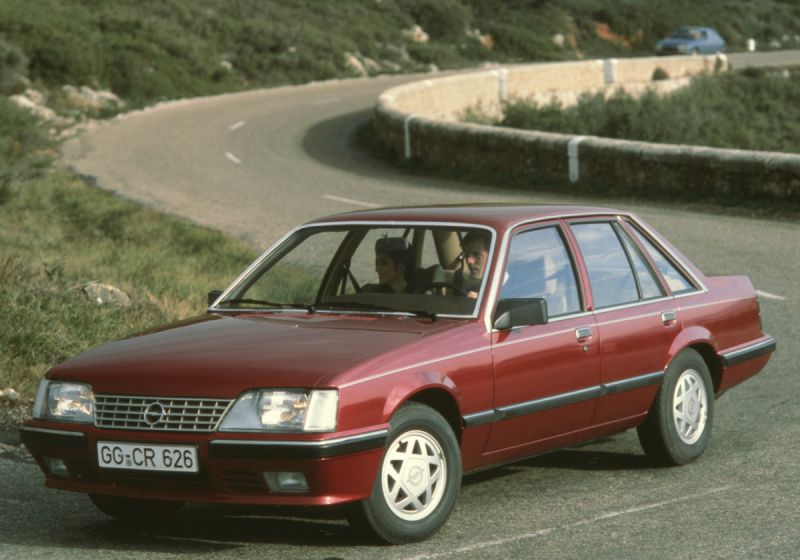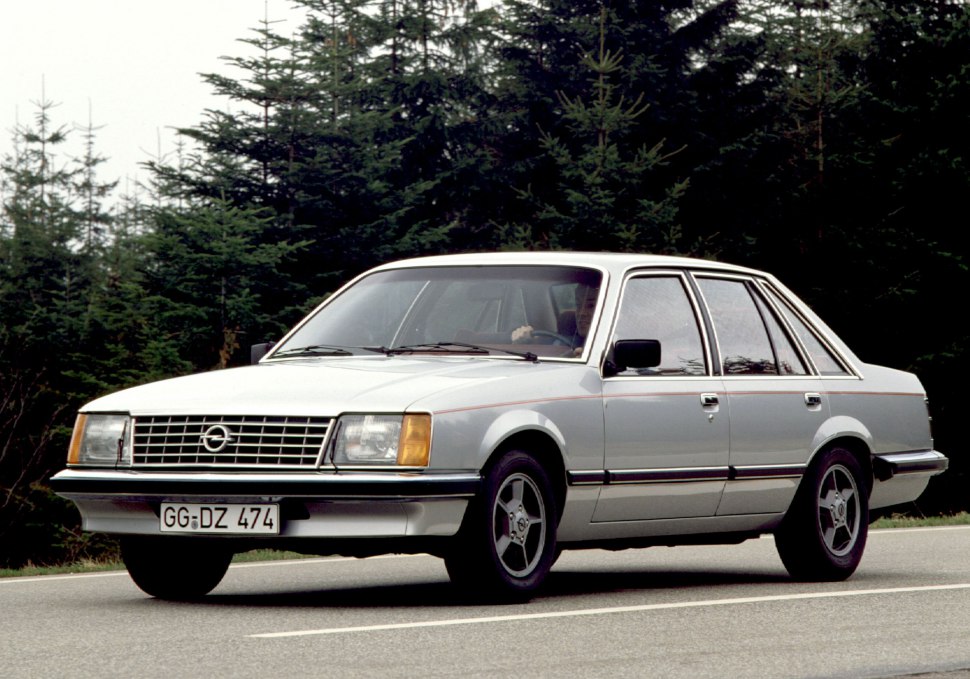
Introduction to the Opel Senator A 2.5 (115 Hp) Automatic
The Opel Senator, a distinguished executive car manufactured by the German automaker Opel, represented the brand’s foray into the full-size luxury segment. Positioned above the Rekord, the Senator was Opel’s flagship model, designed to compete with established rivals such as the BMW 5 Series and Mercedes-Benz E-Class in the European market. The first generation, known as the Senator A, debuted in 1978, sharing its platform with the Opel Monza, a large two-door coupe. This article focuses specifically on the Opel Senator A 2.5 (115 Hp) Automatic variant produced between 1978 and 1980.
During this era, Opel, a subsidiary of General Motors, aimed to offer a compelling blend of German engineering, comfort, and value. While the Senator A was never officially sold in the United States, its mechanical underpinnings and design philosophy reflect a period when European automotive trends often influenced global design. The 2.5-liter four-cylinder engine, paired with an automatic transmission, represented a more accessible, yet still capable, option within the Senator A lineup, catering to buyers who prioritized smooth, relaxed cruising over outright performance. Its role in the European market was significant, offering a sturdy, comfortable, and well-equipped sedan for families and business professionals alike.
Powertrain and Performance of the Opel Senator A
Engine Characteristics
The heart of the 1978-1980 Opel Senator A 2.5 (115 Hp) Automatic was a naturally aspirated 2.5-liter (2490 cm3 or 151.95 cu. in.) inline-four cylinder engine. This powerplant, featuring a Single Overhead Camshaft (SOHC) valvetrain with two valves per cylinder, was a robust and proven design for Opel. Fuel delivery was managed by a carburetion system, typical for vehicles of its time, providing a reliable if not cutting-edge method for mixing fuel and air.
This engine produced a respectable 115 horsepower at 5200 revolutions per minute (rpm), translating to a power output of 46.2 horsepower per liter. Torque figures stood at 129.81 lb.-ft. (176 Nm), available across a broad range from 3800 to 4200 rpm. While these figures might seem modest by today’s standards, they were competitive for a mid-range executive sedan in the late 1970s, especially for a four-cylinder variant. The engine’s design emphasized durability and smooth operation, qualities highly valued in a car intended for comfortable long-distance travel.
Performance Metrics and Drivetrain
Power was transmitted to the rear wheels via a 3-speed automatic transmission. This drivetrain architecture, a rear-wheel-drive setup, was conventional for executive sedans of the era, offering predictable handling characteristics and a classic driving feel. The automatic gearbox, while lacking the multiple ratios of modern transmissions, provided a smooth and effortless driving experience, aligning with the Senator’s luxury aspirations.
Performance figures for the Opel Senator A 2.5 (115 Hp) Automatic reflected its cruiser-oriented nature. The vehicle could accelerate from 0 to 60 miles per hour in an estimated 13.9 seconds, with a 0-100 km/h sprint taking 14.6 seconds. The maximum speed was rated at 105.63 mph (170 km/h). Fuel economy, a growing concern even in the late 70s, was rated at 16.1 US mpg (14.6 l/100 km) in a combined cycle. The kerb weight of 3020.33 lbs (1370 kg) contributed to a weight-to-power ratio of 11.9 kg/Hp, indicating a balanced approach to performance and mass.
Design, Features, and Ergonomics
The Opel Senator A embodied the conservative yet elegant styling prevalent in European executive sedans of its time. Its body type was a classic 4-door sedan, designed to comfortably accommodate five occupants. With a length of 189.41 inches (4811 mm), a width of 68.03 inches (1728 mm), and a height of 55.71 inches (1415 mm), the Senator A presented a substantial and commanding presence on the road. The wheelbase stretched 105.63 inches (2683 mm), contributing to a stable ride and generous interior space.
Inside, the Senator A prioritized comfort and practicality. The spacious cabin offered ample legroom and headroom for both front and rear passengers. The trunk (boot) capacity was particularly impressive for its class, offering a maximum of 25.25 cubic feet (715 liters) of storage, making it highly practical for long journeys or family use. Features for the era would have included comfortable cloth or optional velour upholstery, a comprehensive dashboard with clear instrumentation, and potentially options like power windows, central locking, and a quality radio system, which were considered luxuries at the time.
From a structural and safety perspective, the Senator A featured a robust body shell, characteristic of German engineering. Braking was handled by ventilated discs at the front, providing effective stopping power, while drum brakes were utilized at the rear. The minimum turning circle of 35.43 feet (10.8 meters) offered reasonable maneuverability for a car of its size. The vehicle’s drag coefficient (Cd) of 0.45 was typical for sedans of the period, reflecting the aerodynamic understanding and design limitations of the late 1970s.
Opel Senator A 2.5 (115 Hp) Automatic Technical Specifications
| Category | Specification |
|---|---|
| General Information | |
| Brand | Opel |
| Model | Senator |
| Generation | Senator A |
| Type (Engine) | 2.5 (115 Hp) Automatic |
| Start of Production | 1978 year |
| End of Production | 1980 year |
| Powertrain Architecture | Internal Combustion engine |
| Body type | Sedan |
| Seats | 5 |
| Doors | 4 |
| Performance Specs | |
| Fuel Consumption (combined) | 16.1 US mpg (14.6 l/100 km) |
| Fuel Type | Petrol (Gasoline) |
| Acceleration 0 – 60 mph | 13.9 sec |
| Acceleration 0 – 100 km/h | 14.6 sec |
| Maximum Speed | 105.63 mph (170 km/h) |
| Weight-to-power ratio | 11.9 kg/Hp (83.9 Hp/tonne) |
| Weight-to-torque ratio | 7.8 kg/Nm (128.5 Nm/tonne) |
| Engine Specs | |
| Power | 115 Hp @ 5200 rpm |
| Power per liter | 46.2 Hp/l |
| Torque | 129.81 lb.-ft. (176 Nm) @ 3800-4200 rpm |
| Engine Displacement | 151.95 cu. in. (2490 cm3) |
| Number of Cylinders | 4 |
| Engine Configuration | Inline |
| Number of Valves per Cylinder | 2 |
| Fuel Injection System | Carburetor |
| Engine Aspiration | Naturally aspirated engine |
| Valvetrain | SOHC |
| Space, Volume and Weights | |
| Kerb Weight | 3020.33 lbs (1370 kg) |
| Max. Weight | 4188.78 lbs (1900 kg) |
| Max Load | 1168.45 lbs (530 kg) |
| Trunk (boot) Space – Maximum | 25.25 cu. ft. (715 l) |
| Fuel Tank Capacity | 19.81 US gal (75 l) |
| Dimensions | |
| Length | 189.41 in. (4811 mm) |
| Width | 68.03 in. (1728 mm) |
| Height | 55.71 in. (1415 mm) |
| Wheelbase | 105.63 in. (2683 mm) |
| Front Track | 56.81 in. (1443 mm) |
| Rear Track | 57.95 in. (1472 mm) |
| Ride Height (Ground Clearance) | 5.51 in. (140 mm) |
| Drag Coefficient (Cd) | 0.45 |
| Minimum Turning Circle | 35.43 ft. (10.8 m) |
| Drivetrain, Brakes and Suspension Specs | |
| Drivetrain Architecture | The Internal Combustion Engine (ICE) drives the rear wheels of the vehicle. |
| Drive Wheel | Rear wheel drive |
| Number of Gears and Type of Gearbox | 3 gears, automatic transmission |
| Front Brakes | Ventilated discs |
| Rear Brakes | Drum |
Legacy and Market Impact
The Opel Senator A, including the 2.5-liter automatic variant, carved out a significant niche in the European executive car market. While it might not have possessed the same prestige as its more expensive German competitors from BMW and Mercedes-Benz, the Senator offered a compelling proposition of comfort, robust build quality, and a more approachable price point. It was often seen as a smart choice for buyers who desired executive-level comfort and space without the premium price tag.
In its primary market, the Senator A competed directly with vehicles like the Ford Granada and, to some extent, the BMW E12 5-Series and Mercedes-Benz W123. Opel’s strategy was to provide a product that rivaled these cars in terms of size, comfort, and features, often exceeding them in terms of interior volume, particularly the generous trunk space. The Senator A also served as a halo car for Opel, demonstrating the brand’s engineering capabilities and design prowess. Its robust mechanics and straightforward design contributed to a reputation for reliability and ease of maintenance, qualities that resonated well with its target audience.
Although the Opel Senator A was not imported to the U.S. market, its significance within the General Motors global portfolio is noteworthy. Elements of its design and engineering philosophy could be seen in other GM products, and it contributed to Opel’s strong brand identity in Europe. The Senator platform was also shared with the sporty Monza coupe, further showcasing its versatility. Today, the Opel Senator A is remembered as a classic European executive sedan, representing a period of solid, dependable, and comfortable motoring. Its heritage lies in offering a sensible yet sophisticated alternative in a competitive segment, leaving a legacy of understated quality and enduring appeal among classic car enthusiasts.