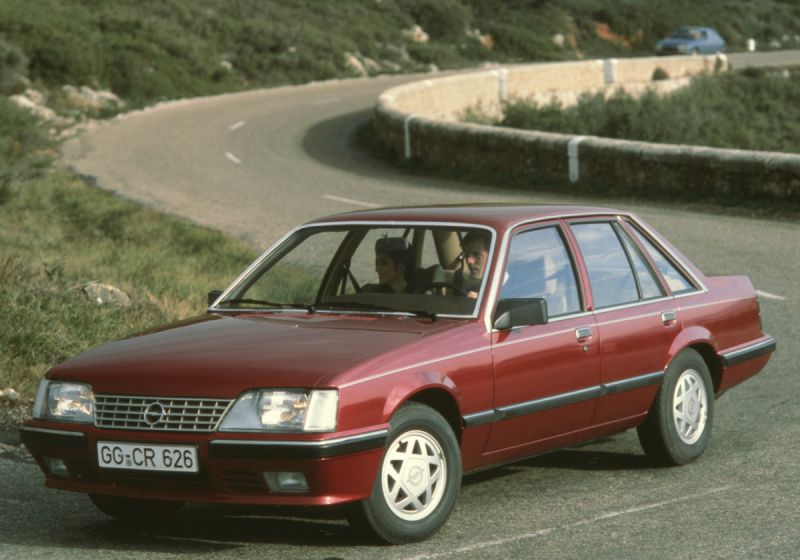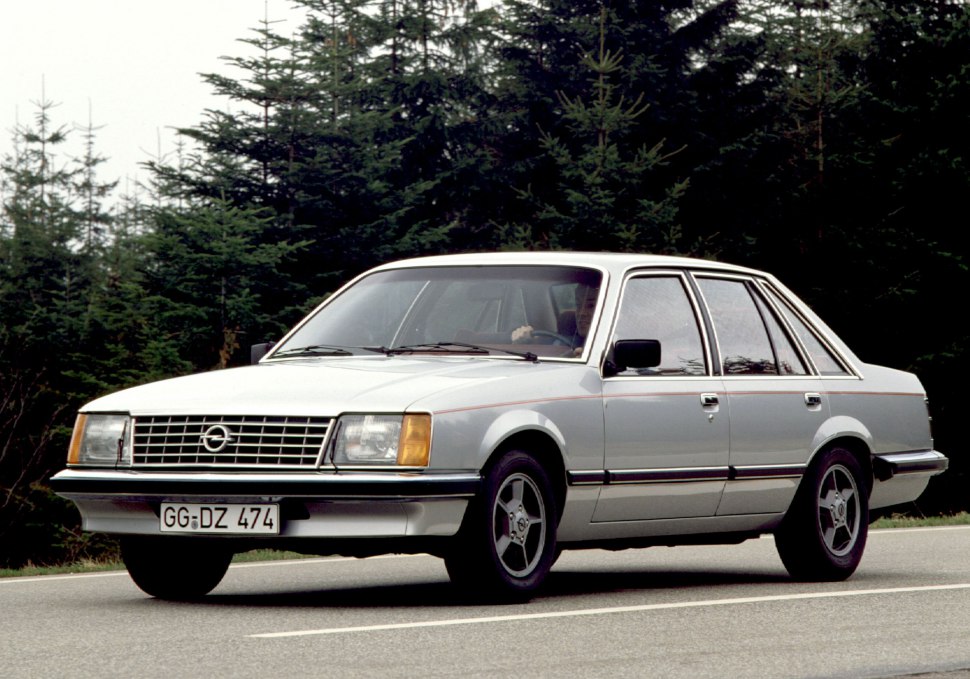
The Opel Senator A 3.0 (150 Hp) Automatic: Opel’s Executive Challenger
The Opel Senator A 3.0 (150 Hp) Automatic represents a significant entry in the European executive car market during the late 1970s and early 1980s. Launched in 1978, the Senator A was Opel’s flagship sedan, designed to compete directly with established luxury offerings from Mercedes-Benz and BMW. As the first generation of the Senator, it was built on the same platform as the Opel Rekord E and the sporty Monza coupe, showcasing Opel’s engineering prowess under the General Motors (GM) umbrella. While never officially sold in the United States, the Senator was a crucial model for Opel, aiming to provide a compelling blend of comfort, performance, and value in its primary European markets. This particular variant, equipped with a 3.0-liter inline-six engine and an automatic transmission, epitomized the comfortable long-distance cruiser ethos that defined the segment.
Engineering for the European Executive Market
Opel, a German marque with a long history of producing robust and reliable vehicles, positioned the Senator A as a sophisticated choice for discerning buyers. It was a clear statement of intent, moving beyond the more utilitarian image often associated with some of Opel’s smaller models. The Senator A was engineered to offer a smooth, refined driving experience, prioritizing passenger comfort and a sense of effortless progress on the autobahns and continental roads. Its design, while conservative, exuded a stately presence, reflecting the era’s preference for traditional three-box sedan aesthetics. The development of the Senator A was a considerable undertaking for Opel, as it sought to reclaim market share in a segment where German rivals were particularly strong.
Engine and Performance of the Opel Senator A
At the heart of the Opel Senator A 3.0 (150 Hp) Automatic was its robust 3.0-liter (2969 cm3 or 181.18 cu. in.) inline-six engine, designated with the code “30H.” This naturally aspirated powerplant featured Opel’s venerable CIH (Cam-in-Head) valvetrain design, which was known for its durability and smooth operation. With a bore of 3.74 inches and a stroke of 2.75 inches, and a compression ratio of 9.25:1, the engine delivered 150 horsepower at 5200 rpm. Torque output was equally respectable for its time, peaking at 169.64 lb.-ft. at a relatively low 3400 rpm, ensuring strong mid-range acceleration and relaxed cruising.
Power was transmitted to the rear wheels via a 3-speed automatic transmission, a common choice for luxury vehicles of this period, emphasizing smooth shifts over outright performance. Despite the modest number of gears by modern standards, the combination provided a comfortable and effortless driving experience. The Senator A 3.0 Automatic could accelerate from 0 to 60 mph in a respectable 10.9 seconds and reach a top speed of 116.82 mph. These figures were competitive within its class, allowing the Senator to keep pace with its rivals on the unrestricted sections of the European road network.
Fuel economy, while not a primary selling point for large executive cars of the late 70s, was rated at approximately 18.7 US mpg combined. The engine was designed to run on gasoline and was fed by a carburettor system, typical for the era before widespread adoption of electronic fuel injection. The engine oil capacity was 5.81 US quarts, and the cooling system held 10.67 US quarts, indicating a substantial and well-engineered powertrain designed for endurance. The weight-to-power ratio of 9.1 kg/Hp (or 109.5 Hp per tonne) highlighted its substantial build, yet still provided adequate performance for its intended purpose as a comfortable long-distance cruiser.
Design and Features
The Opel Senator A adopted a classic four-door, five-seat sedan body style, measuring 189.41 inches in length, 68.03 inches in width, and 55.71 inches in height, with a wheelbase of 105.63 inches. Its proportions were stately and traditional, reflecting the design trends of the late 1970s. The exterior was characterized by clean lines, a prominent grille, and large windows that offered excellent visibility. While not overtly flashy, the design conveyed a sense of understated elegance and solidity, appealing to a clientele that valued substance and comfort.
Inside, the Senator A was designed with passenger comfort and spaciousness in mind. The cabin offered ample room for five occupants, with comfortable seating and a well-appointed dashboard. While specific luxury features varied by trim level and optional extras, executive cars of this caliber typically included amenities such as power windows, central locking, and air conditioning. The trunk space was particularly generous, offering a substantial 25.25 cubic feet, making the Senator an