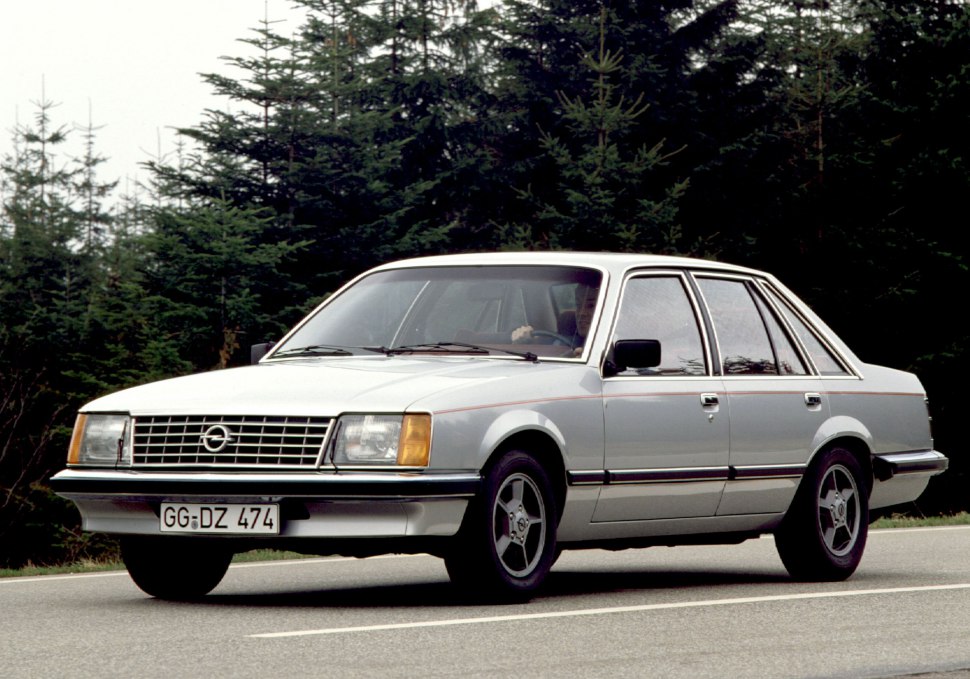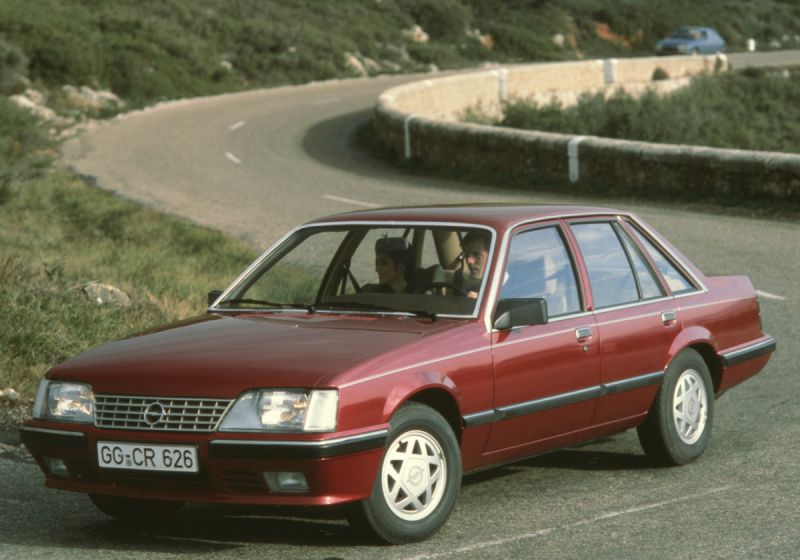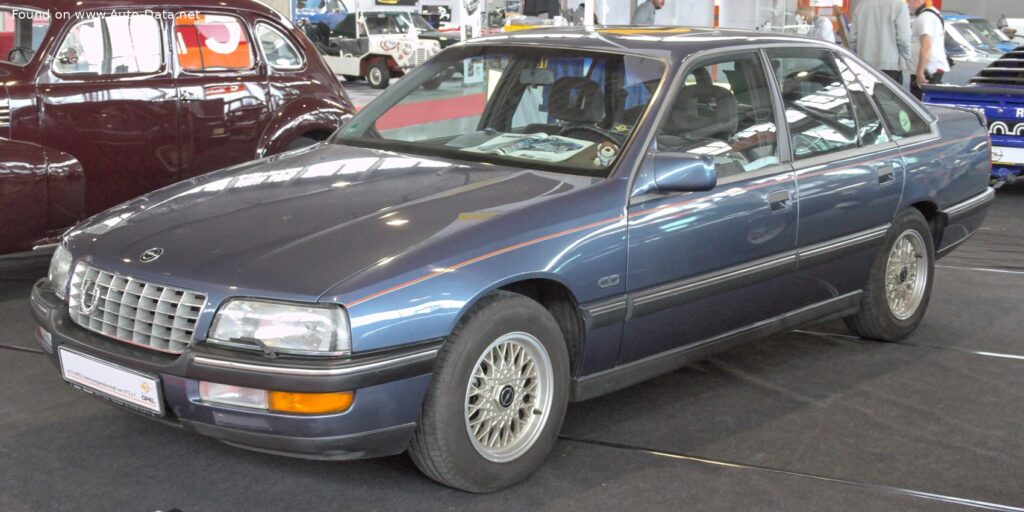
The Opel Senator B 2.3 TD Inerc. (90 Hp) Automatic: A European Executive Sedan
The Opel Senator B, introduced in 1987, represented the second generation of Opel’s flagship executive sedan, building upon the foundations laid by its predecessor. Positioned as a direct competitor to established premium European marques, the Senator B aimed to offer a compelling blend of comfort, space, and sophisticated engineering at a more accessible price point. The specific variant under discussion, the Opel Senator B 2.3 TD Inerc. (90 Hp) Automatic, was produced between 1988 and 1989, carving out a niche in the European market for discerning buyers who prioritized fuel efficiency and robust performance in a large sedan. As a model not officially sold in the United States, its significance is best understood within the context of the European automotive landscape, where large diesel-powered executive cars held a particular appeal for long-distance cruising and corporate fleets. This generation of the Senator, alongside its coupe sibling, the Monza, underscored Opel’s ambition to compete at the upper echelons of the passenger car market during a pivotal era for automotive design and technology.
Engine and Performance of the Opel Senator B 2.3 TD Inerc. (90 Hp) Automatic
Under the hood of the Opel Senator B 2.3 TD Inerc. (90 Hp) Automatic lay a robust 2.3-liter (2260 cm³ or 137.91 cu. in.) inline-four diesel engine. This powertrain was a testament to the growing sophistication of diesel technology in the late 1980s, particularly in Europe, where high fuel prices and long commutes made efficiency a paramount concern. The engine featured a single overhead camshaft (SOHC) valvetrain with two valves per cylinder, a common and reliable configuration for the era. A key aspect of its design was the precombustion chamber injection system, which aided in smoother combustion and quieter operation compared to earlier direct injection diesels.
Crucially, this 2.3-liter unit was equipped with a turbocharger and an intercooler, technologies that significantly boosted its output and efficiency. The turbocharger compressed intake air, allowing for more fuel to be burned and thus increasing power, while the intercooler cooled this compressed air, making it denser and further enhancing performance and reducing thermal stress. This setup enabled the engine to produce a respectable 90 horsepower at 4200 rpm, a solid figure for a diesel engine of its size and period. More importantly for a large sedan, it generated a substantial 160.79 lb.-ft. (218 Nm) of torque, available across a useful band from 2000 to 2200 rpm. This ample torque was vital for effortless cruising and overtaking, especially when paired with the car’s automatic transmission.
Power was delivered to the rear wheels via a 4-speed automatic transmission, a common choice for executive vehicles of the time, emphasizing smooth shifts and driving comfort over outright sporty performance. While not built for blistering acceleration, the Senator B 2.3 TD Inerc. could accelerate from 0 to 60 mph in a measured 14.7 seconds, with a 0 to 100 km/h (62 mph) sprint taking 15.5 seconds. Its top speed was rated at 114.33 mph (184 km/h), making it perfectly capable of sustained high-speed travel on European autobahns.
Fuel efficiency was a strong suit, with a combined consumption figure of 8.3 liters per 100 kilometers, translating to an impressive 28.3 US mpg. This economy, combined with a generous 19.81 US gallon (75-liter) fuel tank, offered a considerable cruising range, a highly desirable trait for its target market. The engine’s architecture, with its 23:1 compression ratio and robust design, underscored its intended durability and reliability, key attributes for a vehicle designed to cover long distances.
Design and Features
The Opel Senator B carried forward a design philosophy that was both contemporary for its era and distinctly European. As a full-size, 4-door, 5-seat sedan, it exuded a sense of understated elegance and executive presence. Its dimensions were substantial: a length of 190.75 inches (4845 mm), a width of 68.62 inches (1743 mm), and a height of 57.09 inches (1450 mm). These proportions, combined with a generous 107.48-inch (2730 mm) wheelbase, contributed to a commanding road presence and a spacious cabin.
Aesthetically, the Senator B featured a more aerodynamic and modernized body compared to its predecessor, with smoother lines and flush-fitting glass that reduced wind noise and improved fuel efficiency. The design was conservative but sophisticated, avoiding overt flamboyance in favor of timeless appeal. Large windows ensured excellent visibility, a characteristic often appreciated in executive sedans.
Inside, the Senator B was designed for comfort and practicality. The five-seat configuration offered ample room for occupants, particularly in the rear, which was a critical factor for an executive car. The trunk space was impressive, ranging from a minimum of 18.72 cubic feet (530 liters) to a maximum of 30.72 cubic feet (870 liters) with the rear seats folded down (or loaded to the roofline), making it highly practical for luggage and long trips.
Features typical for a car of its class in the late 1980s would have included power windows, central locking, and a well-appointed audio system. While not equipped with the myriad electronic safety aids found in modern vehicles, the Senator B would have featured standard safety equipment for its time, such as robust body construction and effective braking systems. The car was equipped with ventilated disc brakes at the front and solid disc brakes at the rear, providing reliable stopping power for its weight of 3086.47 lbs (1400 kg). The suspension system, while not explicitly detailed in the provided data, would have been tuned for comfort and stable high-speed cruising, likely featuring an independent setup all around to absorb road imperfections effectively. It rode on 205/65 R15 tires, mounted on 15-inch wheel rims, a common size for its segment, balancing ride comfort with adequate grip. The minimum turning circle of 35.93 feet (10.95 meters) indicated good maneuverability for a vehicle of its size.
Technical Specifications
| Category | Specification |
|---|---|
| General Information | |
| Brand | Opel |
| Model | Senator |
| Generation | Senator B |
| Type (Engine) | 2.3 TD Inerc. (90 Hp) Automatic |
| Start of Production | 1988 year |
| End of Production | 1989 year |
| Powertrain Architecture | Internal Combustion engine |
| Body Type | Sedan |
| Seats | 5 |
| Doors | 4 |
| Performance Specs | |
| Fuel Consumption (Combined) | 8.3 l/100 km | 28.3 US mpg |
| Fuel Type | Diesel |
| Acceleration 0 – 60 mph | 14.7 sec |
| Acceleration 0 – 100 km/h | 15.5 sec |
| Maximum Speed | 114.33 mph (184 km/h) |
| Weight-to-Power Ratio | 15.6 kg/Hp, 64.3 Hp/tonne |
| Weight-to-Torque Ratio | 6.4 kg/Nm, 155.7 Nm/tonne |
| Engine Specs | |
| Power | 90 Hp @ 4200 rpm |
| Power per Liter | 39.8 Hp/l |
| Torque | 160.79 lb.-ft. (218 Nm) @ 2000-2200 rpm |
| Maximum Engine Speed | 4600 rpm |
| Engine Displacement | 2260 cm³ (137.91 cu. in.) |
| Number of Cylinders | 4 |
| Engine Configuration | Inline |
| Cylinder Bore | 3.62 in. (92 mm) |
| Piston Stroke | 3.35 in. (85 mm) |
| Compression Ratio | 23:1 |
| Number of Valves per Cylinder | 2 |
| Fuel Injection System | Precombustion chamber injection |
| Engine Aspiration | Turbocharger, Intercooler |
| Valvetrain | SOHC |
| Space, Volume and Weights | |
| Kerb Weight | 3086.47 lbs (1400 kg) |
| Trunk (Boot) Space – Minimum | 18.72 cu. ft. (530 l) |
| Trunk (Boot) Space – Maximum | 30.72 cu. ft. (870 l) |
| Fuel Tank Capacity | 19.81 US gal (75 l) |
| Dimensions | |
| Length | 190.75 in. (4845 mm) |
| Width | 68.62 in. (1743 mm) |
| Height | 57.09 in. (1450 mm) |
| Wheelbase | 107.48 in. (2730 mm) |
| Front Track | 57.09 in. (1450 mm) |
| Rear Track | 57.8 in. (1468 mm) |
| Ride Height (Ground Clearance) | 5.51 in. (140 mm) |
| Minimum Turning Circle | 35.93 ft (10.95 m) |
| Drivetrain, Brakes and Suspension Specs | |
| Drivetrain Architecture | Internal combustion engine (ICE) drives the rear wheels. |
| Drive Wheel | Rear wheel drive |
| Number of Gears and Type of Gearbox | 4 gears, automatic transmission |
| Front Brakes | Ventilated discs |
| Rear Brakes | Disc |
| Tires Size | 205/65 R15 |
| Wheel Rims Size | 15 |
Legacy and Market Impact of the Opel Senator B
The Opel Senator B, particularly in its diesel iteration like the 2.3 TD Inerc. (90 Hp) Automatic, held a significant position in the competitive European executive car market of the late 1980s. While Opel, a subsidiary of General Motors, did not export the Senator to the United States, it served as the brand’s flagship offering across much of Europe, the UK (where it was sold as the Vauxhall Senator), and other international markets. Its primary competitors included well-established rivals such as the Ford Scorpio, as well as more premium offerings like the BMW 5 Series (E34 generation) and the Mercedes-Benz W124 E-Class.
The Senator B’s strategy was to provide a spacious, comfortable, and well-equipped executive sedan that could rival the perceived quality of its German premium competitors, often at a more attractive price point. The inclusion of a robust and efficient diesel engine, like the 2.3 TD, was crucial for its market success. In Europe, diesel engines were already widely accepted and favored for their fuel economy and high torque output, making them ideal for long-distance business travel and as company cars. The 90 HP diesel Senator offered a compelling proposition for those seeking lower running costs without sacrificing the comfort and refinement expected of a large sedan.
Its reputation was built on reliability, solid build quality, and a comfortable, quiet ride, particularly well-suited for cruising on the autobahn. While it may not have possessed the ultimate dynamic prowess of a BMW or the prestige of a Mercedes, the Senator B was lauded for its sensible engineering, generous interior space, and practical features. The rear-wheel-drive architecture, a hallmark of executive sedans of the era, contributed to its balanced handling characteristics and traditional driving feel.
The Senator B represented the pinnacle of Opel’s traditional large car development before the brand began to shift its focus towards more front-wheel-drive platforms and a broader range of market segments. Its production run, albeit short for the 2.3 TD Inerc. variant (1988-1989), cemented its place as a dependable workhorse and a comfortable cruiser for the European professional. The Senator B ultimately ceased production in 1993, with Opel choosing not to directly replace it with another large, rear-wheel-drive executive sedan, instead focusing on models like the Omega (which shared its platform but shifted market positioning over time). Today, the Opel Senator B is remembered as a classic example of late 1980s European executive motoring, valued by enthusiasts for its understated design, robust mechanicals, and comfortable ride, embodying a distinct era of Opel’s engineering ambition.