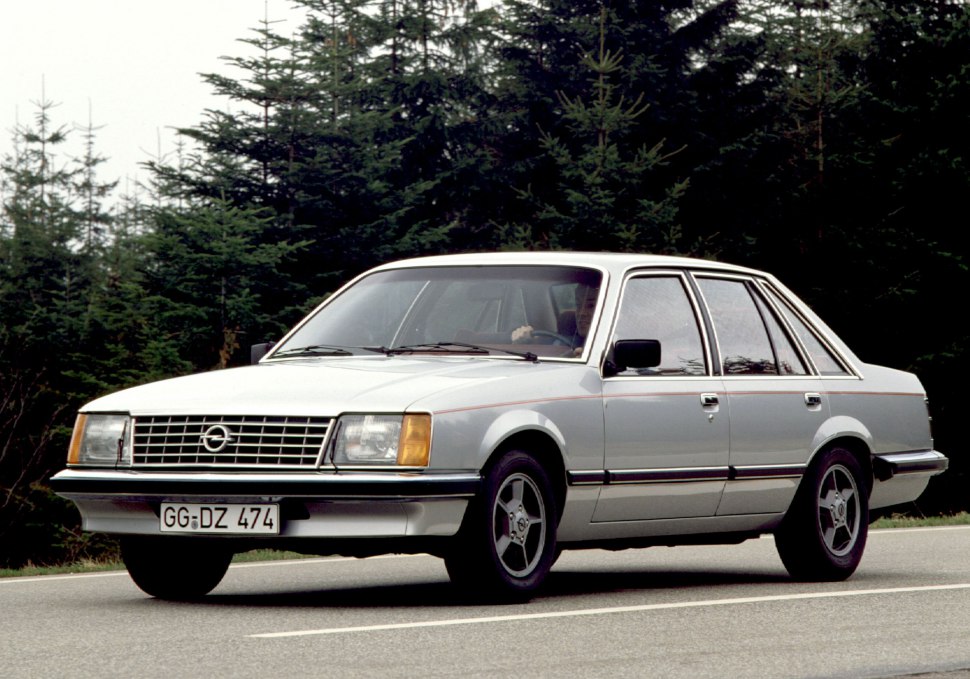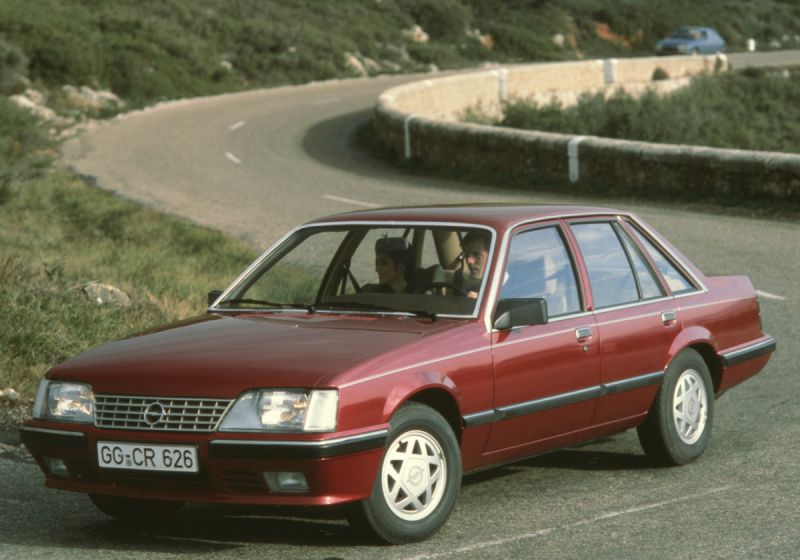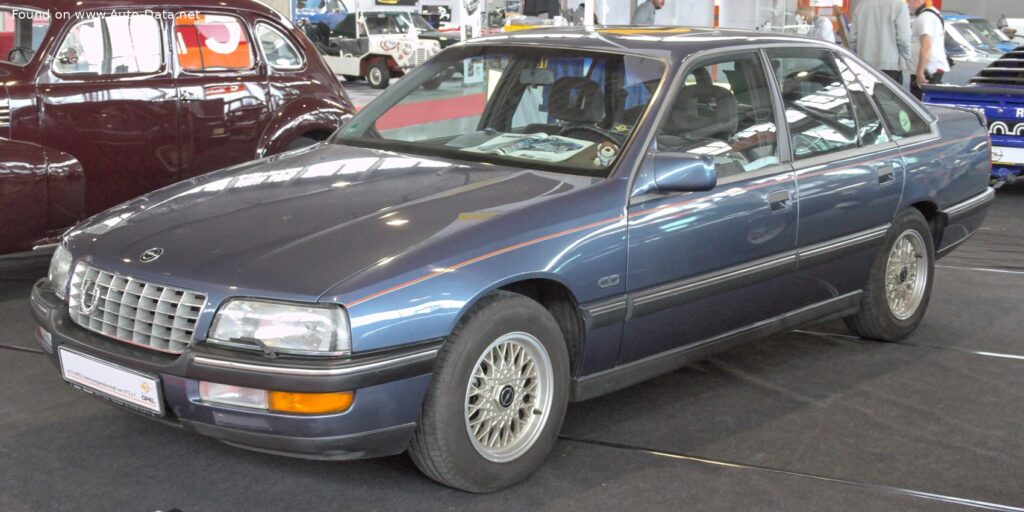
Opel Senator B 2.3 TD Interc. (100 Hp): A European Executive Diesel
The Opel Senator B 2.3 TD Interc. (100 Hp) represents a significant chapter in Opel’s history as a purveyor of executive-class vehicles within the European market. Produced from 1988 to 1989, this particular variant of the Senator B generation was a testament to the growing prominence of diesel powertrains in the premium segment, offering a blend of robust performance for its time and commendable fuel efficiency. Positioned as Opel’s flagship sedan, the Senator B aimed to provide a sophisticated, comfortable, and well-equipped alternative to established rivals, emphasizing German engineering and practicality. While never officially sold in the United States, the Senator B, and especially its diesel iteration, played a crucial role in shaping Opel’s image and competitive standing across Europe and other international markets where such large sedans, particularly with diesel engines, were highly valued.
The Opel Senator B Generation
The Senator B, launched in 1987, was the second generation of Opel’s executive sedan, succeeding the original Senator A. It was closely related to the Opel Omega A (known as the Vauxhall Carlton in the UK and Holden Commodore in Australia), sharing its platform and many mechanical components. The Senator B, however, was distinguished by its more upscale appointments, unique front and rear styling, and a focus on premium features designed to appeal to business executives and discerning private buyers. The car’s architecture, based on a rear-wheel-drive layout, provided a traditional driving experience favored by many in the segment, offering balanced handling and a comfortable ride. The 2.3 TD Interc. (100 Hp) variant, specifically, highlighted Opel’s commitment to offering diverse powertrain options, including advanced (for the era) diesel technology, to meet varied consumer demands for power, economy, and long-distance cruising capability.
Engine and Performance: The 2.3 TD Intercooler (100 Hp)
At the heart of the Opel Senator B 2.3 TD Interc. (100 Hp) was a robust 2.3-liter (2260 cm3 or 137.91 cubic inches) inline-four diesel engine. This powertrain was a significant step forward for Opel’s diesel offerings, featuring both a turbocharger and an intercooler. The intercooler, a key component, helped to cool the compressed air from the turbocharger before it entered the engine, allowing for a denser air charge and consequently more efficient combustion and increased power output. This setup generated 100 horsepower at a relatively low 4200 revolutions per minute (rpm), making it a flexible and tractable engine for daily driving and highway cruising.
More importantly for a diesel of its time, the engine produced a substantial 218 Nm (160.79 lb.-ft.) of torque, available between 2000 and 2200 rpm. This broad torque band was crucial for the Senator B’s character, providing strong pulling power from low engine speeds, which translated into effortless acceleration and reduced the need for frequent gear changes. The power per liter stood at 44.2 Hp/l, a respectable figure for a diesel engine in the late 1980s. The engine featured a precombustion chamber injection system, common for diesels of this period, contributing to smoother operation and aiding in cold starts. With a high compression ratio of 23:1 and a SOHC (Single Overhead Camshaft) valvetrain with two valves per cylinder, the engine was designed for durability and efficiency.
Performance figures for the Opel Senator B 2.3 TD Interc. (100 Hp) were competitive for an executive diesel sedan of its era. It could accelerate from 0 to 60 mph in an estimated 13.3 seconds, reaching a top speed of 114.33 mph (184 km/h). While these numbers might seem modest by today’s standards, they were considered perfectly adequate for a large, comfortable sedan designed for long-distance European travel, where fuel economy and torque for highway overtaking were often prioritized over outright sprint times. The vehicle’s weight-to-power ratio was 13.8 kg/Hp (72.5 Hp/tonne) and its weight-to-torque ratio was 6.3 kg/Nm (158 Nm/tonne), indicating a well-balanced power delivery for its intended purpose. Fuel economy was a strong suit, with a combined consumption rate of 29.4 US mpg (8 l/100 km), making it an economical choice for its segment. Power was delivered to the rear wheels via a five-speed manual transmission, offering direct engagement and control over the engine’s output.
Design and Features: Executive Comfort and German Practicality
The Opel Senator B was presented exclusively as a four-door sedan, a body style synonymous with executive transport. Its design language was distinctly late-1980s German, characterized by clean lines, a relatively low beltline for good visibility, and a conservative yet elegant profile. The overall length of 190.75 inches (4845 mm), width of 68.62 inches (1743 mm), and height of 57.09 inches (1450 mm) provided a substantial road presence, signaling its position in the executive class. A generous wheelbase of 107.48 inches (2730 mm) was key to its spacious interior and composed ride quality.
Inside, the Senator B was designed for comfort and functionality. With seating for five occupants, the cabin offered ample legroom and headroom, particularly for front and rear passengers. The trunk space was impressive for the segment, ranging from a minimum of 18.72 cubic feet (530 liters) to a maximum of 30.72 cubic feet (870 liters) with the rear seats folded, providing significant cargo capacity for luggage or business travel. The fuel tank capacity of 19.81 US gallons (75 liters) further underscored its long-distance touring credentials, allowing for extended journeys between fill-ups.
Standard features for the Senator B typically included power steering, central locking, and a sophisticated heating and ventilation system. Depending on the trim level, amenities such as power windows, alloy wheels, and an onboard computer could also be found. Safety features, while not as advanced as modern vehicles, included robust body construction, front and rear disc brakes (ventilated discs at the front), and a well-tuned suspension system designed for stability. The car rode on 205/65 R15 tires mounted on 15-inch wheel rims, providing a good balance of grip and ride comfort. The drivetrain architecture, as mentioned, was traditional rear-wheel drive, contributing to a balanced weight distribution and engaging driving dynamics. With a minimum turning circle of 35.93 feet (10.95 meters), the Senator B was reasonably maneuverable for its size.
Technical Specifications
| Category | Specification |
|---|---|
| General Information | |
| Brand | Opel |
| Model | Senator |
| Generation | Senator B |
| Type (Engine) | 2.3 TD Interc. (100 Hp) |
| Start of Production | 1988 year |
| End of Production | 1989 year |
| Powertrain Architecture | Internal Combustion engine |
| Body Type | Sedan |
| Seats | 5 |
| Doors | 4 |
| Performance Specs | |
| Fuel Consumption (Combined) | 29.4 US mpg (8 l/100 km) |
| Fuel Type | Diesel |
| Acceleration 0 – 60 mph | 13.3 seconds |
| Maximum Speed | 114.33 mph (184 km/h) |
| Weight-to-Power Ratio | 13.8 kg/Hp, 72.5 Hp/tonne |
| Weight-to-Torque Ratio | 6.3 kg/Nm, 158 Nm/tonne |
| Engine Specs | |
| Power | 100 Hp @ 4200 rpm |
| Power per Liter | 44.2 Hp/l |
| Torque | 160.79 lb.-ft. (218 Nm) @ 2000-2200 rpm |
| Maximum Engine Speed | 4600 rpm |
| Engine Displacement | 2.3 liters (2260 cm3, 137.91 cu. in.) |
| Number of Cylinders | 4 |
| Engine Configuration | Inline |
| Cylinder Bore | 3.62 inches (92 mm) |
| Piston Stroke | 3.35 inches (85 mm) |
| Compression Ratio | 23:1 |
| Number of Valves per Cylinder | 2 |
| Fuel Injection System | Precombustion chamber injection |
| Engine Aspiration | Turbocharger, Intercooler |
| Valvetrain | SOHC |
| Dimensions, Weight, and Volume | |
| Kerb Weight | 3042.38 lbs (1380 kg) |
| Length | 190.75 inches (4845 mm) |
| Width | 68.62 inches (1743 mm) |
| Height | 57.09 inches (1450 mm) |
| Wheelbase | 107.48 inches (2730 mm) |
| Front Track | 57.09 inches (1450 mm) |
| Rear Track | 57.8 inches (1468 mm) |
| Ride Height (Ground Clearance) | 5.51 inches (140 mm) |
| Minimum Turning Circle | 35.93 feet (10.95 m) |
| Trunk (Boot) Space – Minimum | 18.72 cu. ft. (530 liters) |
| Trunk (Boot) Space – Maximum | 30.72 cu. ft. (870 liters) |
| Fuel Tank Capacity | 19.81 US gallons (75 liters) |
| Permitted Trailer Load with Brakes (12%) | 2866.01 lbs (1300 kg) |
| Permitted Trailer Load without Brakes | 1322.77 lbs (600 kg) |
| Drivetrain, Brakes, and Suspension | |
| Drivetrain Architecture | Rear-wheel drive |
| Drive Wheel | Rear wheel drive |
| Number of Gears and Type of Gearbox | 5 gears, manual transmission |
| Front Brakes | Ventilated discs |
| Rear Brakes | Disc |
| Tires Size | 205/65 R15 |
| Wheel Rims Size | 15 inches |
Legacy and Market Impact of the Opel Senator B 2.3 TD Interc. (100 Hp)
The Opel Senator B, and particularly its 2.3 TD Interc. (100 Hp) variant, carved out a niche for itself in the highly competitive European executive car market of the late 1980s. While Opel was a mainstream brand, the Senator was positioned to challenge more premium offerings from Mercedes-Benz (like the W124 E-Class), BMW (5 Series), and Ford (Scorpio/Granada). Its primary appeal lay in offering a strong value proposition: a large, comfortable, and well-built rear-wheel-drive sedan with a robust and economical diesel engine, all at a price point typically more accessible than its German luxury counterparts.
The 2.3 TD Interc. (100 Hp) was especially significant as it capitalized on the increasing demand for diesel engines in Europe, particularly among fleet buyers and high-mileage drivers who valued fuel efficiency and lower running costs. The addition of an intercooler to the turbo-diesel engine demonstrated Opel’s commitment to improving diesel performance and refinement, making it a more palatable option for executive users. Its reputation was built on reliability, generous interior space, and a comfortable ride, making it an ideal choice for long-distance highway cruising across the continent.
Despite its qualities, the Opel Senator B faced an uphill battle against the prestige and brand loyalty commanded by Mercedes-Benz and BMW. Ford’s Scorpio/Granada was a more direct competitor, often offering similar levels of equipment and space. The Senator B never achieved the same iconic status as some of its rivals, but it was a solid performer and a staple of the European executive car landscape during its production run. Its design, while understated, contributed to a perception of quiet competence rather than overt luxury.
In the context of its time, the Senator B’s mechanical impact was primarily in demonstrating how mainstream manufacturers could offer competitive executive vehicles with advanced diesel technology. It showcased Opel’s engineering capabilities and its understanding of the European market’s specific demands for robust, efficient, and comfortable long-distance cruisers. For the North American market, the Opel Senator was never imported, as General Motors’ premium offerings in the U.S. were handled by Cadillac, Buick, and later, the short-lived Saturn brand. The large, rear-wheel-drive diesel sedan segment was also far less developed in the U.S. at that time compared to Europe, making its absence understandable. Today, the Opel Senator B 2.3 TD Interc. (100 Hp) is remembered as a capable and understated executive sedan that fulfilled its role effectively in its primary European market, representing a period when diesel power was truly coming into its own in the premium segment.