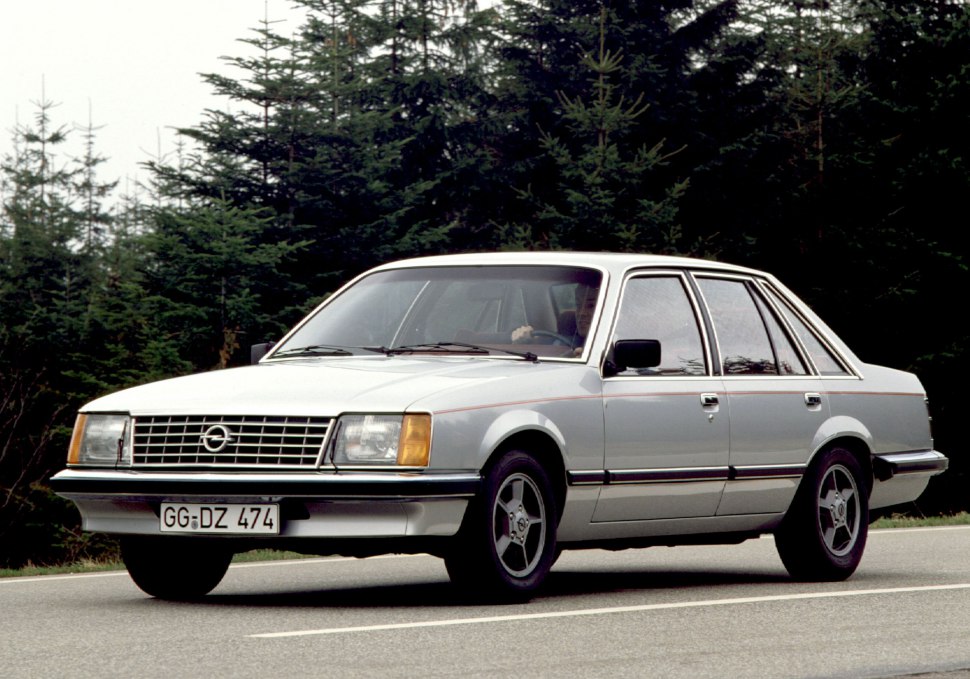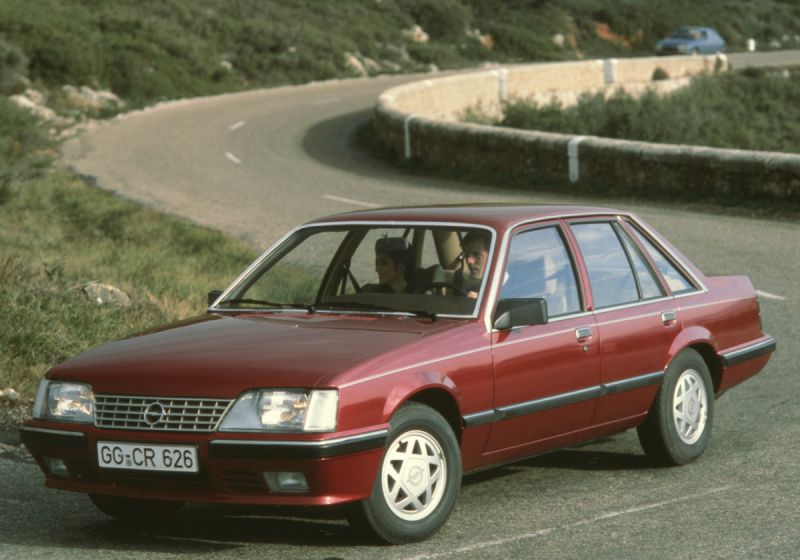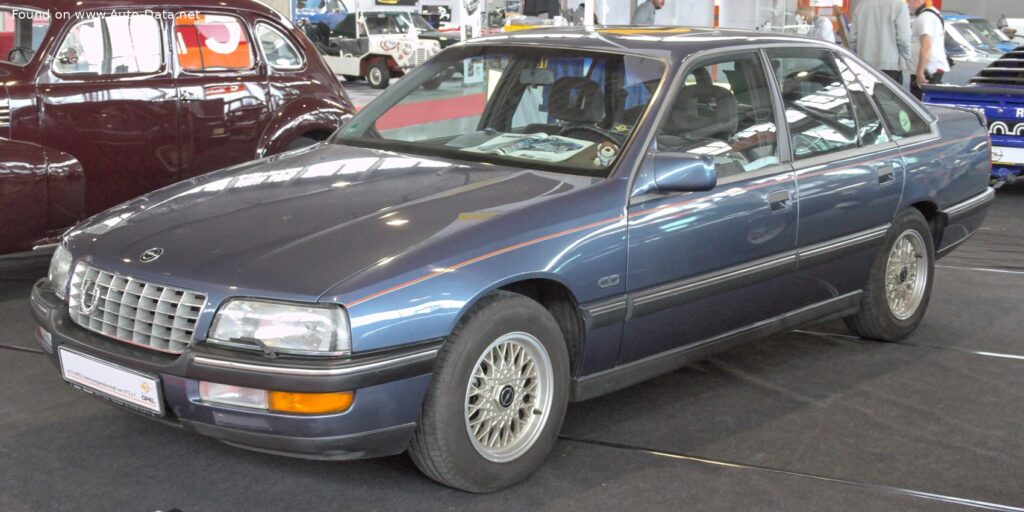
The Opel Senator B 2.5i (140 Hp) Automatic: An Executive European Classic
The Opel Senator B 2.5i (140 Hp) Automatic represents a significant chapter in the history of European executive sedans. Produced by the German automaker Opel, then a subsidiary of General Motors, the Senator B (also known as the Vauxhall Senator in the UK) was the second generation of Opel’s flagship full-size car. Introduced in 1987, it succeeded the original Senator A and was built on the same platform as the Opel Omega A, though positioned as a more luxurious and upscale offering. This particular variant, the 2.5i with its 140 horsepower engine and automatic transmission, embodied Opel’s commitment to providing a comfortable, robust, and capable vehicle for the discerning European market, competing directly with established rivals from BMW and Mercedes-Benz. While never officially sold in the United States, the Opel Senator B played a crucial role in the European automotive landscape, offering a blend of traditional German engineering, refined comfort, and practical performance.
Engine and Performance of the Opel Senator B
At the heart of the Opel Senator B 2.5i (140 Hp) Automatic lies a robust 2.5-liter (2,490 cubic centimeters or 151.95 cubic inches) inline-six gasoline engine, codenamed 25NE. This naturally aspirated power plant was a hallmark of smooth operation, a characteristic highly valued in executive cars of the era. Featuring a Single Overhead Camshaft (SOHC) valvetrain with two valves per cylinder, and a multi-port manifold injection system, the engine was designed for reliable and efficient power delivery. It produced a respectable 140 horsepower at 5,200 rpm, coupled with 151.2 lb.-ft. (205 Nm) of torque peaking at 4,200 rpm.
The longitudinal front-engine layout, combined with a rear-wheel-drive architecture, provided a classic and balanced driving experience. Power was channeled through a 4-speed automatic transmission, which emphasized smooth shifts and comfortable cruising over outright sportiness. This setup allowed the Senator B 2.5i to achieve a top speed of 124.27 mph (200 km/h) and accelerate from 0 to 60 mph in a respectable 11.4 seconds. While not a performance leader, these figures were more than adequate for its intended role as a comfortable and competent long-distance cruiser on European autobahns. The engine’s compression ratio stood at 9.2:1, reflecting a design focused on durability and smooth power output for everyday driving. Fuel economy for the combined cycle was rated at approximately 21.8 US mpg (10.8 l/100 km), which was competitive for a large six-cylinder sedan of its time.
Design and Features
The Opel Senator B maintained a traditional, elegant three-box sedan design, characteristic of executive vehicles from the late 1980s. With its four doors and comfortable seating for five occupants, it exuded a sense of understated luxury and practicality. The exterior dimensions were substantial for its class, measuring 190.75 inches (4,845 mm) in length, 68.62 inches (1,743 mm) in width, and 57.09 inches (1,450 mm) in height. Its generous 107.48-inch (2,730 mm) wheelbase contributed significantly to interior space and ride comfort, providing ample legroom for rear passengers.
Inside, the Senator B aimed for comfort and refinement. While specific interior features varied by trim, Opel typically equipped its flagship models with high-quality upholstery, power accessories, and a well-appointed dashboard. The trunk space was particularly impressive, offering a minimum of 18.72 cubic feet (530 liters) and expanding to a maximum of 30.72 cubic feet (870 liters) with the rear seats folded, making it highly practical for long journeys or family use.
From a safety and handling perspective, the Senator B was equipped with ventilated disc brakes at the front and disc brakes at the rear, complemented by an Anti-lock Braking System (ABS) as a crucial safety feature for its era. Hydraulic power steering ensured ease of maneuverability despite its size, with a minimum turning circle of 35.93 feet (10.95 meters). The suspension system utilized coil springs both front and rear, providing a compliant and comfortable ride. The car rode on 15-inch wheel rims fitted with 205/65 R15 tires, a common size for executive cars of the period, balancing grip with ride comfort. With a curb weight of 3,141.59 lbs (1,425 kg) and a maximum permissible weight of 4,332.08 lbs (1,965 kg), the Senator B was a solidly built vehicle designed for stability and occupant protection.
Technical Specifications: Opel Senator B 2.5i (140 Hp) Automatic
| Category | Specification |
|---|---|
| General Information | |
| Brand | Opel |
| Model | Senator |
| Generation | Senator B |
| Type (Engine) | 2.5i (140 Hp) Automatic |
| Production Start | 1987 |
| Production End | 1990 |
| Powertrain Architecture | Internal Combustion Engine |
| Body Type | Sedan |
| Seats | 5 |
| Doors | 4 |
| Performance Specs | |
| Fuel Consumption (Combined) | 10.8 l/100 km (21.8 US mpg) |
| Fuel Type | Petrol (Gasoline) |
| Acceleration 0-60 mph | 11.4 seconds |
| Maximum Speed | 124.27 mph (200 km/h) |
| Weight-to-Power Ratio | 10.2 kg/Hp (98.2 Hp/tonne) |
| Weight-to-Torque Ratio | 7 kg/Nm (143.9 Nm/tonne) |
| Engine Specs | |
| Power | 140 Hp @ 5200 rpm |
| Power per Liter | 56.2 Hp/l |
| Torque | 151.2 lb.-ft. (205 Nm) @ 4200 rpm |
| Engine Layout | Front, Longitudinal |
| Engine Model/Code | 25NE |
| Engine Displacement | 2490 cm³ (151.95 cu. in.) |
| Number of Cylinders | 6 |
| Engine Configuration | Inline |
| Cylinder Bore | 3.43 in. (87 mm) |
| Piston Stroke | 2.75 in. (69.8 mm) |
| Compression Ratio | 9.2:1 |
| Valves per Cylinder | 2 |
| Fuel Injection System | Multi-port manifold injection |
| Engine Aspiration | Naturally aspirated engine |
| Valvetrain | SOHC |
| Engine Oil Capacity | 5.86 US qt (5.55 l) |
| Coolant Capacity | 10.67 US qt (10.1 l) |
| Space, Volume, and Weights | |
| Kerb Weight | 3141.59 lbs (1425 kg) |
| Max. Weight | 4332.08 lbs (1965 kg) |
| Max Load | 1190.5 lbs (540 kg) |
| Trunk (Boot) Space – Minimum | 18.72 cu. ft. (530 l) |
| Trunk (Boot) Space – Maximum | 30.72 cu. ft. (870 l) |
| Fuel Tank Capacity | 19.81 US gal (75 l) |
| Dimensions | |
| Length | 190.75 in. (4845 mm) |
| Width | 68.62 in. (1743 mm) |
| Height | 57.09 in. (1450 mm) |
| Wheelbase | 107.48 in. (2730 mm) |
| Front Track | 57.09 in. (1450 mm) |
| Rear Track | 57.8 in. (1468 mm) |
| Ride Height (Ground Clearance) | 5.51 in. (140 mm) |
| Minimum Turning Circle | 35.93 ft. (10.95 m) |
| Drivetrain, Brakes, and Suspension | |
| Drivetrain Architecture | Internal Combustion Engine drives the rear wheels. |
| Drive Wheel | Rear-wheel drive |
| Gearbox | 4 gears, automatic transmission |
| Front Suspension | Coil spring |
| Rear Suspension | Coil spring |
| Front Brakes | Ventilated discs |
| Rear Brakes | Disc |
| Assisting Systems | ABS (Anti-lock braking system) |
| Power Steering | Hydraulic Steering |
| Tires Size | 205/65 R15 |
| Wheel Rims Size | 15 inches |
Legacy and Market Impact
The Opel Senator B 2.5i (140 Hp) Automatic, during its production run from 1987 to 1990, held a significant position in the competitive European executive car segment. It was Opel’s top-tier offering, designed to provide a more affordable yet equally capable alternative to established luxury marques. Its primary competitors included the Ford Scorpio (Granada in some markets), the BMW 5 Series (E34 generation), and the Mercedes-Benz W124 E-Class. While perhaps lacking the ultimate brand prestige of BMW or Mercedes, the Senator B distinguished itself through its robust engineering, spacious interior, comfortable ride, and generally strong value proposition.
Opel positioned the Senator B as a vehicle for executives and families who prioritized comfort, reliability, and conservative elegance. The 2.5-liter inline-six engine, particularly with the automatic transmission, was praised for its smoothness and refinement, making it an ideal choice for long-distance travel across Europe. Its rear-wheel-drive platform, a characteristic shared with its more premium rivals, contributed to a balanced driving feel and good towing capabilities.
Although its production for this specific 2.5i variant ended in 1990 (the Senator B continued with other engines until 1993), its impact was felt through its reputation for durability and understated quality. Many Senators were utilized as police vehicles, taxis, and company cars, testament to their reliability and low running costs compared to more exotic alternatives. Today, the Opel Senator B is remembered as a well-built, comfortable, and often overlooked executive sedan from an era when German engineering was synonymous with robust design and longevity. It represents a classic example of Opel’s ambition to compete at the higher end of the market, offering a compelling blend of features and performance that made it a respected player in its segment. Its legacy endures among enthusiasts who appreciate its solid construction and timeless, functional design.