The Opel Tigra B TwinTop 1.3 CDTI (70 Hp): A European Roadster with Everyday Appeal
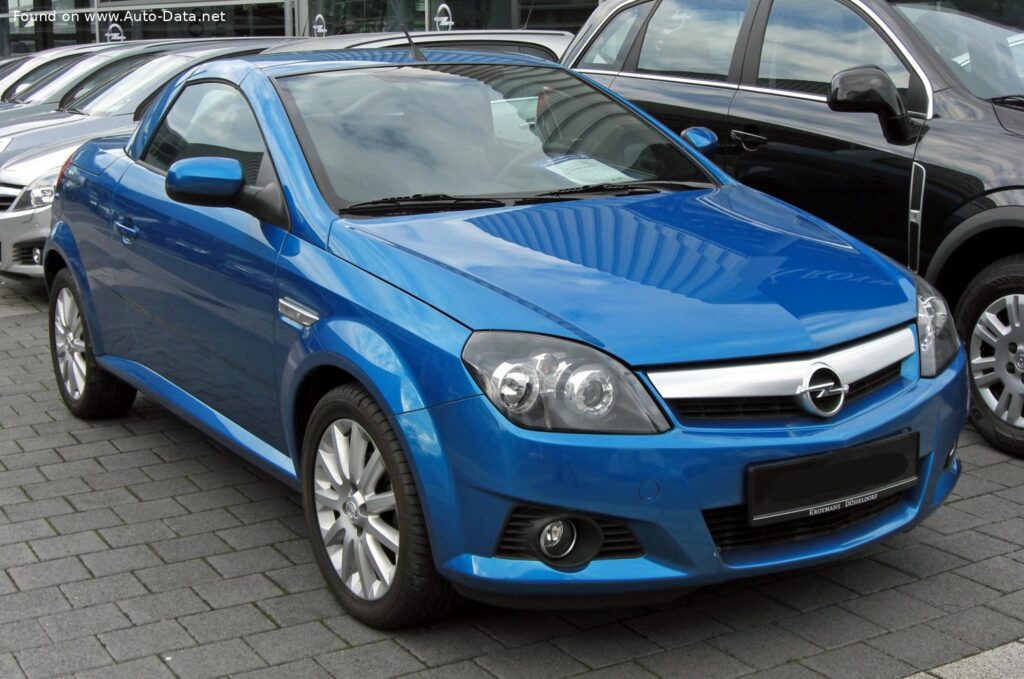
The Opel Tigra B TwinTop, specifically the 1.3 CDTI (70 Hp) variant, represents a noteworthy chapter in the European automotive landscape during the mid-2000s. Launched in November 2004, this compact coupe-cabriolet was Opel’s second attempt at a Tigra model, following the original Tigra A, a small 2+2 coupe based on the Corsa B. The Tigra B TwinTop, however, marked a significant departure, embracing the then-popular trend of retractable hardtop convertibles in a more compact, two-seater package. It carved out a unique niche in its primary European market, offering open-air motoring combined with the practicality and security of a fixed roof, all underpinned by an efficient diesel powertrain. The vehicle’s production run spanned four years, concluding in November 2008, leaving a legacy as an accessible and stylish option for drivers seeking an affordable and economical convertible experience.
Engineering and Performance: The Opel Tigra B TwinTop 1.3 CDTI (70 Hp)
At the heart of this particular Opel Tigra B TwinTop lies a modest yet remarkably efficient 1.3-liter (1248 cm3 or 76.16 cubic inches) CDTI (Common Rail Direct Injection) diesel engine. Coded as Z13DT, this inline four-cylinder unit was a product of a joint venture between General Motors and Fiat, renowned for its compact size and fuel efficiency across various small European vehicles. Producing 70 horsepower at 4000 rpm and a healthy 125.39 pound-feet (170 Nm) of torque arriving early at 1750 rpm, the engine was designed not for blistering performance but for economical cruising and respectable city driving.
Power is delivered to the front wheels via a smooth-shifting 5-speed manual transmission, a common and reliable setup for vehicles in this class. While its acceleration from 0 to 60 mph in 14.7 seconds (0-100 km/h in 15.5 seconds) may not impress enthusiasts seeking raw speed, it was entirely adequate for its intended purpose as a stylish cruiser. The top speed of 103.77 mph (167 km/h) further underscores its focus on relaxed touring rather than high-speed antics.
Where the 1.3 CDTI truly shone was in its fuel economy. With a combined consumption rating of 51.1 US mpg (4.6 l/100 km), it offered exceptional efficiency for a convertible, making it an attractive proposition for daily commuting or longer journeys without frequent stops at the pump. The extra-urban economy was even more impressive, reaching 60.3 US mpg (3.9 l/100 km). This fuel efficiency, coupled with relatively low CO2 emissions of 122 g/km, positioned the Tigra B TwinTop as an environmentally conscious choice within its segment during a period when diesel powertrains were gaining popularity in Europe for their economic benefits. The engine’s architecture, featuring a turbocharger and intercooler, along with a DOHC valvetrain and common rail fuel injection, ensured a sophisticated and refined operation for a small diesel.
Design and Features
The Opel Tigra B TwinTop adopted the fashionable coupe-cabriolet body style, a design trend that swept through Europe in the early 2000s. This meant the car offered the best of both worlds: the security, refinement, and weather protection of a coupe with the push of a button, and the exhilarating open-air freedom of a convertible. The retractable hardtop mechanism was a key selling point, transforming the car from a sleek coupe to a chic roadster in a matter of seconds. Its compact dimensions, with a length of 154.37 inches (3921 mm) and a width of 66.34 inches (1685 mm), made it agile and easy to maneuver in crowded European city streets, a significant advantage over larger convertibles.
As a two-seater, the Tigra B TwinTop prioritized the driving experience for its occupants. Despite its small footprint, Opel managed to engineer a surprisingly usable trunk space. With the roof up, it offered a generous 15.54 cubic feet (440 liters) of cargo capacity, which was exceptional for a car of its size, allowing for practical use even for weekend trips. When the roof was stowed, the trunk space naturally reduced, but still provided a respectable 8.83 cubic feet (250 liters), enough for essentials.
The vehicle’s chassis featured a front-wheel-drive architecture, with a Spring Strut front suspension and Coil Spring rear suspension, providing a comfortable yet engaging ride quality. Braking was handled by ventilated discs at the front and solid discs at the rear, complemented by an Anti-lock Braking System (ABS) for enhanced safety. Steering was a conventional rack and pinion setup, offering direct feedback. The standard 185/60 R15 tires on 15-inch wheel rims provided a good balance of grip and ride comfort. While the Tigra B TwinTop was not positioned as a luxury vehicle, it offered a decent level of equipment and comfort for its price point, appealing to buyers looking for style and practicality in a single package.
Technical Specifications: Opel Tigra B TwinTop 1.3 CDTI (70 Hp)
| Category | Specification | Metric (US/Imperial) |
|---|---|---|
| General Information | Brand | Opel |
| Model | Tigra | |
| Generation | Tigra B TwinTop | |
| Type (Engine) | 1.3 CDTI (70 Hp) | |
| Start of Production | November, 2004 | |
| End of Production | November, 2008 | |
| Powertrain Architecture | Internal Combustion engine | |
| Body type | Coupe – Cabriolet | |
| Seats | 2 | |
| Doors | 2 | |
| Performance Specs | Fuel consumption (economy) – urban | 5.8 l/100 km (40.6 US mpg) |
| Fuel consumption (economy) – extra urban | 3.9 l/100 km (60.3 US mpg) | |
| Fuel consumption (economy) – combined | 4.6 l/100 km (51.1 US mpg) | |
| CO2 emissions | 122 g/km | |
| Fuel Type | Diesel | |
| Acceleration 0 – 60 mph | 14.7 sec | |
| Acceleration 0 – 100 km/h | 15.5 sec | |
| Maximum speed | 167 km/h (103.77 mph) | |
| Weight-to-power ratio | 17.3 kg/Hp (57.9 Hp/tonne) | |
| Weight-to-torque ratio | 7.1 kg/Nm (140.5 Nm/tonne) | |
| Engine Specs | Power | 70 Hp @ 4000 rpm |
| Power per liter | 56.1 Hp/l | |
| Torque | 170 Nm @ 1750 rpm (125.39 lb.-ft.) | |
| Engine layout | Front, Transverse | |
| Engine Model/Code | Z13DT | |
| Engine displacement | 1248 cm3 (76.16 cu. in.) | |
| Number of cylinders | 4 | |
| Engine configuration | Inline | |
| Cylinder Bore | 69.6 mm (2.74 in.) | |
| Piston Stroke | 82 mm (3.23 in.) | |
| Compression ratio | 18:1 | |
| Number of valves per cylinder | 4 | |
| Fuel injection system | Diesel Commonrail | |
| Engine aspiration | Turbocharger, Intercooler | |
| Valvetrain | DOHC | |
| Engine oil capacity | 3.3 l (3.49 US qt) | |
| Coolant | 6.3 l (6.66 US qt) | |
| Space, Volume and Weights | Kerb Weight | 1210 kg (2667.59 lbs.) |
| Max. weight | 1510 kg (3328.98 lbs.) | |
| Max load | 300 kg (661.39 lbs.) | |
| Trunk (boot) space – minimum | 250 l (8.83 cu. ft.) | |
| Trunk (boot) space – maximum | 440 l (15.54 cu. ft.) | |
| Fuel tank capacity | 45 l (11.89 US gal) | |
| Dimensions | Length | 3921 mm (154.37 in.) |
| Width | 1685 mm (66.34 in.) | |
| Height | 1364 mm (53.7 in.) | |
| Wheelbase | 2491 mm (98.07 in.) | |
| Front track | 1429 mm (56.26 in.) | |
| Rear (Back) track | 1420 mm (55.91 in.) | |
| Drivetrain, Brakes and Suspension | Drivetrain Architecture | Front-wheel drive, Internal Combustion Engine |
| Drive wheel | Front wheel drive | |
| Number of gears and type of gearbox | 5 gears, manual transmission | |
| Front suspension | Spring Strut | |
| Rear suspension | Coil spring | |
| Front brakes | Ventilated discs | |
| Rear brakes | Disc | |
| Assisting systems | ABS (Anti-lock braking system) | |
| Steering type | Steering rack and pinion | |
| Tires size | 185/60 R15 | |
| Wheel rims size | 15 inches |
Legacy and Market Impact
The Opel Tigra B TwinTop 1.3 CDTI (70 Hp) entered a competitive segment in Europe, vying for attention against other compact coupe-cabriolets that emerged in the early 2000s. Its primary rivals included the Peugeot 206 CC and the Mitsubishi Colt CZC, both of which also offered the versatility of a retractable hardtop in a small, front-wheel-drive package. The Tigra B distinguished itself with its more contemporary styling, particularly its clean lines and confident stance, which were a significant upgrade from the rather quirky Tigra A.
Its critical market impact stemmed from offering an affordable entry point into the convertible market, particularly with the highly economical diesel engine option. While not a performance car, its emphasis on fuel efficiency, low running costs, and stylish design appealed to a broad demographic, including younger drivers and those seeking a second car for leisure. The 1.3 CDTI model, in particular, capitalized on the European preference for diesel engines due to their superior fuel economy and lower CO2 emissions, making it a very practical choice for everyday use.
The Tigra B TwinTop’s reputation was generally positive, praised for its clever roof mechanism, comfortable ride, and surprisingly spacious trunk when the roof was up. It demonstrated Opel’s ability to innovate and respond to market trends, delivering a car that was both fashionable and functional. While it didn’t achieve the same iconic status as some other convertibles, it successfully filled a niche for an accessible, reliable, and economical open-top vehicle.
In terms of historical significance, the Opel Tigra B TwinTop represents an interesting phase in automotive design, where manufacturers experimented with bringing the retractable hardtop to smaller, more budget-friendly cars. It showcased how advanced engineering could democratize features once reserved for premium sports cars. Although its production run was relatively short, the Tigra B TwinTop remains a testament to Opel’s commitment to offering diverse and appealing models within the highly competitive European market, proving that open-air motoring didn’t have to come with a hefty price tag or poor fuel economy. Its blend of style, practicality, and diesel efficiency made it a smart choice for many European consumers during its time.