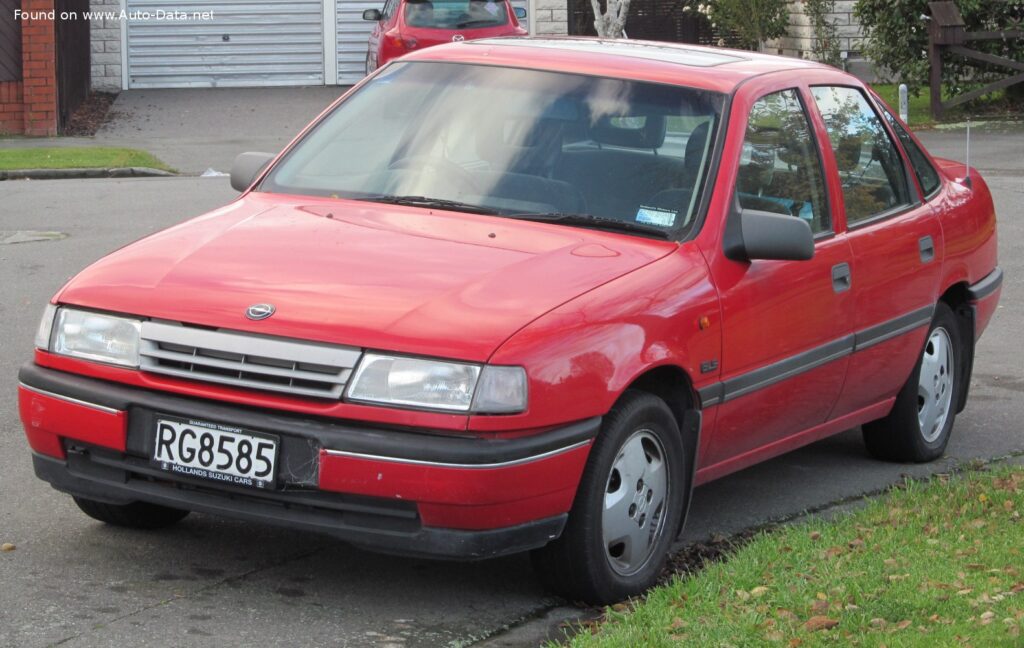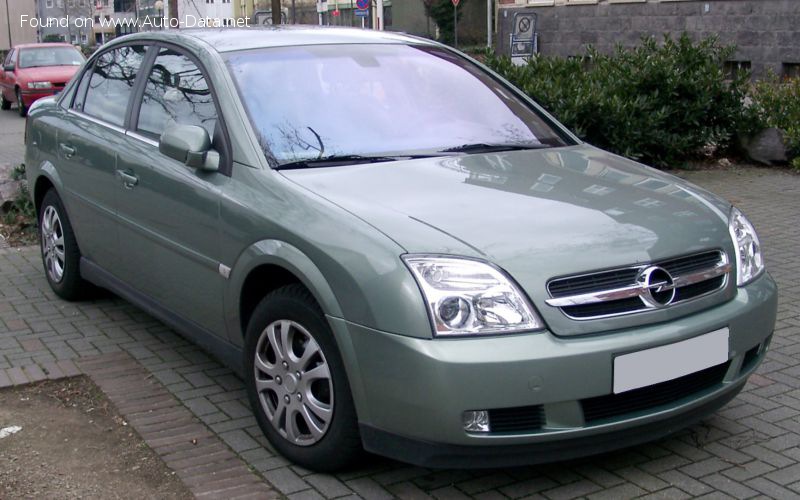
The Opel Vectra C CC 1.9 CDTI (150 Hp) Automatic represents a significant offering within the third generation of Opel’s mid-size family car, the Vectra. Produced from January 2004 to 2005, this specific variant, denoted by its “CC” (often referred to as Caravan Coupe or simply a stylish 5-door hatchback) designation, was a cornerstone of Opel’s lineup in the European market, where it competed fiercely in the highly contested D-segment. While the Opel brand, and specifically the Vectra, were not directly sold in the United States, its General Motors stablemate, the Saturn Aura, shared some underlying platform architecture, offering a glimpse into the engineering principles at play. The Vectra C CC was engineered for a balance of practicality, comfort, and efficient performance, catering to families and business users seeking a reliable and economical vehicle. The Opel Vectra C CC 1.9 CDTI (150 Hp) Automatic showcased Opel’s commitment to advanced diesel technology and automatic transmissions, providing a compelling package for its target demographic.
Engineered Performance: The Opel Vectra C CC 1.9 CDTI (150 Hp) Automatic Powertrain
At the heart of the Opel Vectra C CC 1.9 CDTI (150 Hp) Automatic lies a robust and efficient 1.9-liter Common Rail Diesel Turbo Injection (CDTI) engine, designated by the internal code Z19DTH. This four-cylinder inline powerplant was a testament to the growing sophistication of diesel technology in the early 2000s, delivering a compelling blend of power and fuel economy. With a displacement of 1910 cubic centimeters (116.56 cu. in.), the engine produced a healthy 150 horsepower at 4000 rpm. Its strength, however, was particularly evident in its torque output: a substantial 236.02 pound-feet (320 Nm) available at a low 2000 rpm. This characteristic low-end torque was crucial for effortless acceleration and strong in-gear flexibility, making the car feel responsive in various driving conditions, from urban commuting to highway cruising.
The engine’s architecture featured a DOHC (Double Overhead Camshaft) valvetrain with four valves per cylinder, optimizing airflow and combustion efficiency. Fuel delivery was managed by a sophisticated Diesel Commonrail injection system, which precisely atomized fuel at high pressures, further enhancing performance and reducing emissions. A turbocharger, complemented by an intercooler, boosted the engine’s output significantly, overcoming the natural aspiration limitations of a diesel engine and contributing to its impressive power-to-liter ratio of 78.5 horsepower per liter. The compression ratio stood at 17.5:1, typical for a direct-injection diesel of its era, ensuring maximum energy extraction from the diesel fuel. The engine oil capacity was 4.3 liters (4.54 US quarts), while the cooling system required 7 liters (7.4 US quarts) of coolant to maintain optimal operating temperatures.
Power was seamlessly transferred to the front wheels through a 6-speed automatic transmission, a popular choice for comfort and convenience in the European market. This combination allowed the Vectra C CC to achieve a respectable 0-60 mph acceleration time of 9.5 seconds, with a maximum speed of 130.49 mph (210 km/h). Beyond outright speed, the vehicle’s efficiency was a major selling point. It boasted an impressive extra-urban fuel economy of 42.8 US miles per gallon (5.5 l/100 km), while urban driving still yielded a commendable 24.8 US mpg (9.5 l/100 km). These figures underscored the diesel powertrain’s economic advantages, especially for drivers covering long distances and those prioritizing lower running costs. The car’s weight-to-power ratio was 10.4 kg/Hp (96.5 Hp/tonne), and its weight-to-torque ratio was 4.9 kg/Nm (205.8 Nm/tonne), indicating a well-balanced power delivery for its class and overall mass, ensuring both spirited performance and comfortable cruising.
Design and Practicality: The Opel Vectra C CC’s Market Appeal
The Opel Vectra C CC was characterized by its practical yet stylish 5-door hatchback body type, offering a blend of coupe-like aesthetics and the inherent utility of a traditional large hatchback. Its design language was contemporary for the mid-2000s, featuring clean lines