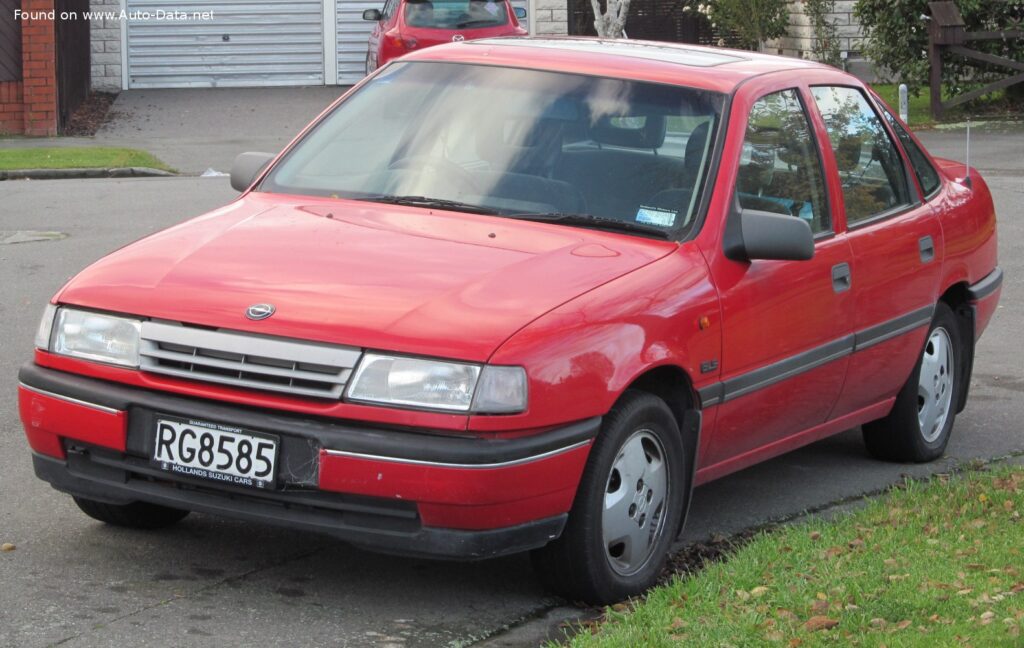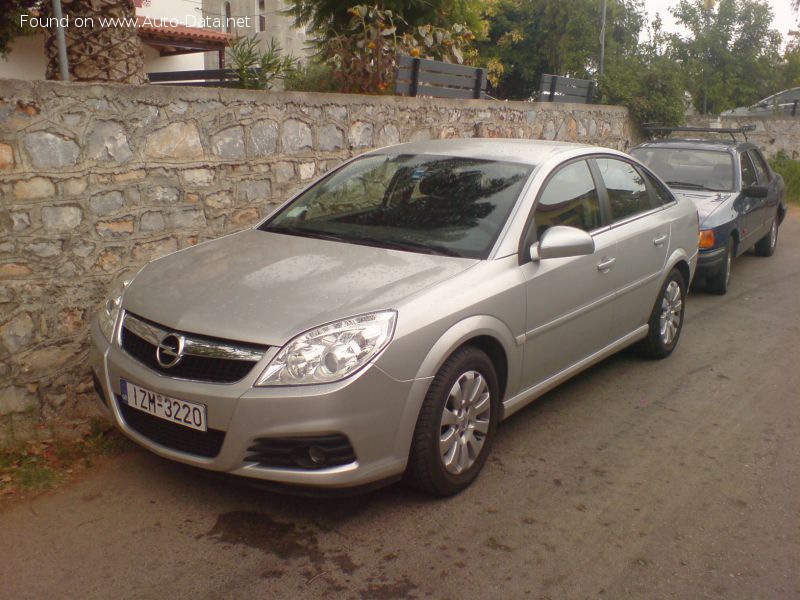
The Opel Vectra C CC (facelift 2005) OPC 2.8i V6 24V Turbo (255 Hp) represents a compelling chapter in the history of European performance hatchbacks. Produced for a relatively short period between November 2005 and June 2006, this particular variant of the third-generation Vectra C was a testament to Opel’s engineering prowess, specifically through its Opel Performance Center (OPC) division. While the Opel brand, and thus the Vectra, was not directly sold in the North American market, it played a crucial role in Europe as a mainstream family car platform that also offered high-performance derivatives. The Vectra C CC, signifying a ‘Caravan Coupé’ or more commonly known as a five-door hatchback, combined practicality with exhilarating performance, making it a distinctive offering in its segment. This OPC model, in its post-facelift guise, showcased updated aesthetics and refined mechanicals, positioning it as a potent, yet understated, competitor against other performance-oriented vehicles of its era.
Powertrain and Performance of the Opel Vectra C CC OPC
At the heart of the Opel Vectra C CC OPC lies a robust 2.8-liter V6 24V Turbo engine, specifically identified by the internal code Z28NET. This engine was a significant departure from the naturally aspirated units typically found in the standard Vectra lineup, designed to deliver a substantial performance boost. With a displacement of 2792 cubic centimeters (170.38 cubic inches), the V6 configuration, arranged in a compact V-engine layout, provided inherent balance and smoothness. The inclusion of a turbocharger, complemented by an intercooler, was pivotal in achieving its impressive power output. This forced induction system allowed the engine to generate 255 horsepower at 5500 revolutions per minute, a significant figure for a front-wheel-drive vehicle of its time. The power per liter rating stood at 91.3 horsepower, indicative of the engine’s efficiency and performance tuning.
Equally important was the torque delivery, which peaked at 355 Nm (261.83 lb.-ft.). This strong torque figure, available across a broad RPM range thanks to the turbocharger, ensured responsive acceleration and strong in-gear flexibility. The engine’s internals featured a bore of 89 mm and a piston stroke of 74.8 mm, with a compression ratio of 9.5:1. Fuel was delivered via a multi-port manifold injection system, a reliable and effective method for precise fuel metering. The engine’s oil capacity was 6 liters (6.34 US quarts), while the cooling system held 7.5 liters (7.93 US quarts) of coolant, essential for managing the thermal demands of a high-performance turbocharged unit.
The transmission of power to the front wheels was handled by a precise and engaging 6-speed manual gearbox. This combination of a powerful turbocharged V6 and a manual transmission offered enthusiasts a direct and involving driving experience. Performance figures were competitive, with the Opel Vectra C CC OPC capable of accelerating from 0 to 60 mph in a swift 6.6 seconds (0-100 km/h in 6.9 seconds). Its maximum speed was electronically limited to 157.83 mph (254 km/h), firmly placing it in the realm of true performance cars. The weight-to-power ratio was an impressive 5.9 kg per horsepower, or 168.9 horsepower per tonne, while the weight-to-torque ratio was 4.3 kg per Nm, or 235.1 Nm per tonne, highlighting the car’s favorable power and torque delivery relative to its curb weight of 1510 kg (3328.98 lbs.).
Despite its performance credentials, the Vectra C CC OPC also offered reasonable fuel economy for its class. The combined cycle fuel consumption was rated at 10.5 liters per 100 km, translating to approximately 22.4 US miles per gallon. Urban driving saw consumption rise to 15.6 liters per 100 km (15.1 US mpg), while extra-urban cruising improved to 7.5 liters per 100 km (31.4 US mpg), showcasing the engine’s capability for efficiency when driven moderately. The fuel tank capacity of 61 liters (16.11 US gallons) provided a decent cruising range.
Design and Features of the Opel Vectra C CC OPC
The 2005 facelift brought a refreshed aesthetic to the Vectra C, and the OPC variant received specific styling cues that underscored its performance intentions without being overtly flamboyant. As a five-door hatchback, or “Caravan Coupé” in Opel’s nomenclature, the Vectra C CC OPC offered a blend of sporty lines and practical utility. Its overall length measured 4642 mm (182.76 inches), with a width of 1798 mm (70.79 inches) and a height of 1449 mm (57.05 inches). The wheelbase stretched to 2700 mm (106.3 inches), contributing to a stable ride and generous interior space.
The OPC treatment typically included a more aggressive front fascia with larger air intakes, distinctive side skirts, and a rear spoiler, along with unique OPC badging. These elements were not just for show; they contributed to the car’s aerodynamic profile and cooling needs. The vehicle rode on 18-inch alloy wheels, fitted with performance-oriented tires sized 235/40 R18, ensuring excellent grip and handling. The front track measured 1536 mm (60.47 inches) and the rear track 1525 mm (60.04 inches), providing a wide stance for improved stability.
Inside, the Vectra C CC OPC provided seating for five occupants, with supportive sport seats often featuring OPC branding, designed to hold occupants firmly during spirited driving. While specific interior features are not detailed in the provided data, OPC models generally came with a sport steering wheel, unique instrumentation, and premium trim materials that distinguished them from standard Vectra models. The hatchback body style offered considerable versatility, with a minimum trunk space of 500 liters (17.66 cubic feet) that could expand to a capacious 1360 liters (48.03 cubic feet) with the rear seats folded down, making it highly practical for a performance car.
Underneath, the chassis was tuned to match the engine’s performance. Both the front and rear suspensions utilized an independent coil spring setup, providing a balance of ride comfort and dynamic handling. Braking power was supplied by ventilated discs on both the front and rear axles, ensuring consistent and strong stopping performance, crucial for a vehicle capable of such high speeds. An Anti-lock Braking System (ABS) was a standard assisting system, enhancing safety by preventing wheel lock-up during hard braking. The maximum permissible weight for the vehicle was 2055 kg (4530.5 lbs.), indicating its robust construction and ability to carry a substantial load of 545 kg (1201.52 lbs.).
In summary, the Opel Vectra C CC (facelift 2005) OPC 2.8i V6 24V Turbo (255 Hp) was a well-rounded performance hatchback that offered a compelling combination of power, handling, and practicality. Its brief production run makes it a notable, albeit less common, example of Opel’s commitment to delivering exciting performance vehicles within its mainstream European lineup.
Technical Specifications
| Brand | Opel |
| Model | Vectra |
| Generation | Vectra C CC (facelift 2005) |
| Type (Engine) | OPC 2.8i V6 24V Turbo (255 Hp) |
| Start of production | November, 2005 year |
| End of production | June, 2006 year |
| Powertrain Architecture | Internal Combustion engine |
| Body type | Hatchback |
| Seats | 5 |
| Doors | 5 |
| Fuel consumption (economy) – urban | 15.6 l/100 km (15.1 US mpg) |
| Fuel consumption (economy) – extra urban | 7.5 l/100 km (31.4 US mpg) |
| Fuel consumption (economy) – combined | 10.5 l/100 km (22.4 US mpg) |
| Fuel Type | Petrol (Gasoline) |
| Acceleration 0 – 60 mph | 6.6 sec |
| Acceleration 0 – 100 km/h | 6.9 sec |
| Maximum speed | 254 km/h (157.83 mph) |
| Weight-to-power ratio | 5.9 kg/Hp (168.9 Hp/tonne) |
| Weight-to-torque ratio | 4.3 kg/Nm (235.1 Nm/tonne) |
| Power | 255 Hp @ 5500 rpm |
| Power per liter | 91.3 Hp/l |
| Torque | 355 Nm (261.83 lb.-ft.) |
| Engine layout | Front, Transverse |
| Engine Model/Code | Z28NET |
| Engine displacement | 2792 cm3 (170.38 cu. in.) |
| Number of cylinders | 6 |
| Engine configuration | V-engine |
| Cylinder Bore | 89 mm (3.5 in.) |
| Piston Stroke | 74.8 mm (2.94 in.) |
| Compression ratio | 9.5:1 |
| Number of valves per cylinder | 4 |
| Fuel injection system | Multi-port manifold injection |
| Engine aspiration | Turbocharger, Intercooler |
| Engine oil capacity | 6 l (6.34 US qt) |
| Coolant | 7.5 l (7.93 US qt) |
| Kerb Weight | 1510 kg (3328.98 lbs.) |
| Max. weight | 2055 kg (4530.5 lbs.) |
| Max load | 545 kg (1201.52 lbs.) |
| Trunk (boot) space – minimum | 500 l (17.66 cu. ft.) |
| Trunk (boot) space – maximum | 1360 l (48.03 cu. ft.) |
| Fuel tank capacity | 61 l (16.11 US gal) |
| Length | 4642 mm (182.76 in.) |
| Width | 1798 mm (70.79 in.) |
| Height | 1449 mm (57.05 in.) |
| Wheelbase | 2700 mm (106.3 in.) |
| Front track | 1536 mm (60.47 in.) |
| Rear (Back) track | 1525 mm (60.04 in.) |
| Drivetrain Architecture | Front wheel drive |
| Drive wheel | Front wheel drive |
| Number of gears and type of gearbox | 6 gears, manual transmission |
| Front suspension | Independent coil spring |
| Rear suspension | Independent coil spring |
| Front brakes | Ventilated discs |
| Rear brakes | Ventilated discs |
| Assisting systems | ABS (Anti-lock braking system) |
| Tires size | 235/40 R18 |
| Wheel rims size | 18 |