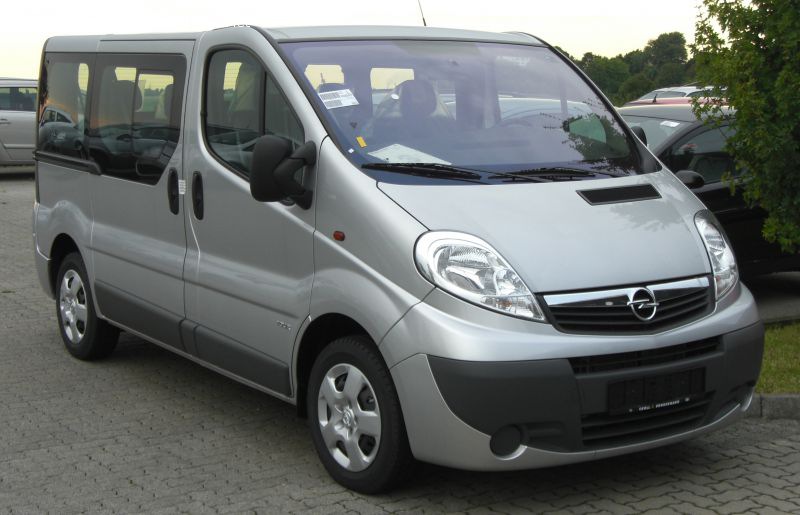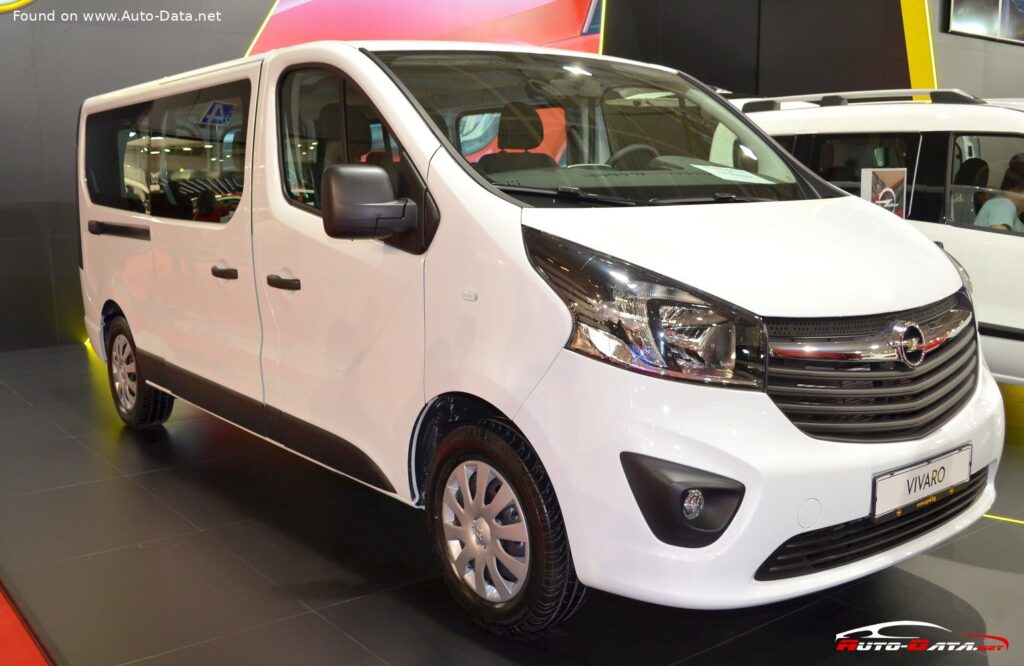
The Opel Vivaro B 1.6 CDTI (116 Hp) is a light commercial vehicle produced by the German automaker Opel from 2014 to 2016. Part of the second generation of the Vivaro line, this model served as a crucial component of Opel’s commercial vehicle offerings in Europe. While not directly sold in the United States, understanding the Vivaro B provides insight into the European van market and Opel’s engineering during this period. The Vivaro B, and specifically this 1.6 CDTI variant, was designed to compete with popular vans like the Volkswagen Transporter, Ford Transit, and Renault Trafic, offering a balance of practicality, efficiency, and payload capacity. It primarily catered to businesses and tradespeople requiring a versatile and reliable work vehicle.
Opel Vivaro B: A European Workhorse
The Vivaro B represented a significant upgrade over its predecessor, boasting improved fuel economy, enhanced safety features, and a more refined driving experience. The 1.6 CDTI engine option, producing 116 horsepower, was a popular choice for operators prioritizing fuel efficiency without sacrificing necessary power for typical commercial duties. The van’s design focused on maximizing cargo space and usability, making it a practical solution for a wide range of applications, from delivery services to mobile workshops. The Vivaro B was also a product of collaboration with Renault and Nissan, sharing a platform and many components with the Renault Trafic and Nissan NV300, a common practice in the European automotive industry to reduce development costs and increase economies of scale.
Engine & Performance
The heart of the Opel Vivaro B 1.6 CDTI (116 Hp) is a 1.6-liter inline four-cylinder diesel engine, designated the R9M-408. This engine produces 116 horsepower at 3500 rpm and 300 Nm (221.27 lb.-ft.) of torque at 1750 rpm. The engine utilizes a turbocharger and intercooler to enhance performance and efficiency. The power-to-weight ratio is 14.4 kg/Hp, or 69.7 Hp/tonne, indicating a reasonable level of performance for a commercial vehicle. Fuel economy is a strong point, with combined cycle consumption rated at 6.5 l/100 km (36.2 US mpg, 43.5 UK mpg, 15.4 km/l). Urban fuel consumption is 7.8 l/100 km (30.2 US mpg), while extra-urban figures are more favorable at 5.7 l/100 km (41.3 US mpg). The engine is paired with a six-speed manual transmission, driving the front wheels. The maximum speed is electronically limited to 153 km/h (95.07 mph). The engine also incorporates a diesel particulate filter to meet Euro 5 emission standards.
Design & Features
The Opel Vivaro B is a front-wheel-drive minivan with a four-door configuration and a seating capacity of nine. Its body style is designed for maximum cargo volume and accessibility. The van’s dimensions are substantial, measuring 4998 mm (196.77 in.) in length, 1956 mm (77.01 in.) in width, and 1971 mm (77.6 in.) in height. The wheelbase is 3098 mm (121.97 in.). The interior is functional and durable, prioritizing practicality over luxury. The minimum trunk (boot) space is 1000 liters (35.31 cu. ft.), expanding to a maximum of 3200 liters (113.01 cu. ft.) with the rear seats folded or removed. Safety features, while typical for the period, included ABS brakes, electronic stability control, and driver and passenger airbags. The van’s design focused on providing a comfortable and safe working environment for the driver and passengers, with a focus on ergonomics and visibility. The kerb weight is 1665 kg (3670.7 lbs), with a maximum permissible weight of 2960 kg (6525.68 lbs), allowing for a substantial payload capacity of 1295 kg (2854.99 lbs).
Technical Specifications
| Brand | Opel |
| Model | Vivaro |
| Generation | Vivaro B |
| Type (Engine) | 1.6 CDTI (116 Hp) |
| Start of production | June, 2014 |
| End of production | March, 2016 |
| Powertrain Architecture | Internal Combustion engine |
| Body type | Minivan |
| Seats | 9 |
| Doors | 4 |
| Fuel consumption (urban) | 7.8 l/100 km (30.2 US mpg) |
| Fuel consumption (extra urban) | 5.7 l/100 km (41.3 US mpg) |
| Fuel consumption (combined) | 6.5 l/100 km (36.2 US mpg) |
| Fuel Type | Diesel |
| Maximum speed | 153 km/h (95.07 mph) |
| Emission standard | Euro 5 |
| Weight-to-power ratio | 14.4 kg/Hp |
| Weight-to-torque ratio | 5.6 kg/Nm |
| Power | 116 Hp @ 3500 rpm |
| Torque | 300 Nm @ 1750 rpm (221.27 lb.-ft. @ 1750 rpm) |
| Engine Model/Code | R9M-408 |
| Engine displacement | 1598 cm3 (97.52 cu. in.) |
| Number of cylinders | 4 |
| Engine configuration | Inline |
| Number of valves per cylinder | 4 |
| Fuel injection system | Diesel Commonrail |
| Engine aspiration | Turbocharger, Intercooler |
| Engine oil capacity | 6 l (6.34 US qt | 5.28 UK qt) |
| Coolant | 8.3 l (8.77 US qt | 7.3 UK qt) |
| Kerb Weight | 1665 kg (3670.7 lbs) |
| Max. weight | 2960 kg (6525.68 lbs) |
| Max load | 1295 kg (2854.99 lbs) |
| Trunk (boot) space – minimum | 1000 l (35.31 cu. ft.) |
| Trunk (boot) space – maximum | 3200 l (113.01 cu. ft.) |
| Fuel tank capacity | 80 l (21.13 US gal | 17.6 UK gal) |
| Length | 4998 mm (196.77 in.) |
| Width | 1956 mm (77.01 in.) |
| Height | 1971 mm (77.6 in.) |
| Wheelbase | 3098 mm (121.97 in.) |
| Front track | 1615 mm (63.58 in.) |
| Rear (Back) track | 1628 mm (64.09 in.) |
| Drivetrain | Front wheel drive |
| Number of gears | 6 |
| Gearbox type | Manual transmission |
| Front brakes | Ventilated discs |
| Rear brakes | Disc |
In conclusion, the Opel Vivaro B 1.6 CDTI (116 Hp) was a well-rounded and practical light commercial vehicle that served a vital role in the European market. Its combination of fuel efficiency, payload capacity, and reasonable performance made it a popular choice for businesses and tradespeople. While not available in the US, it represents a significant example of European van design and engineering during the mid-2010s.