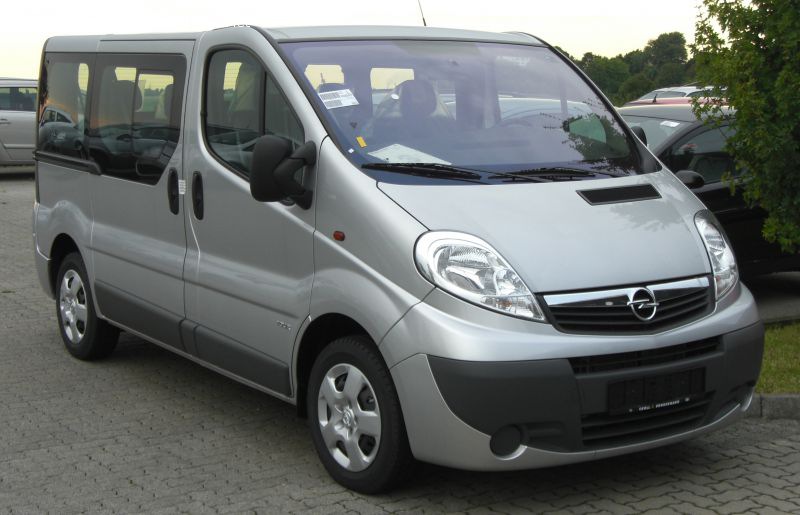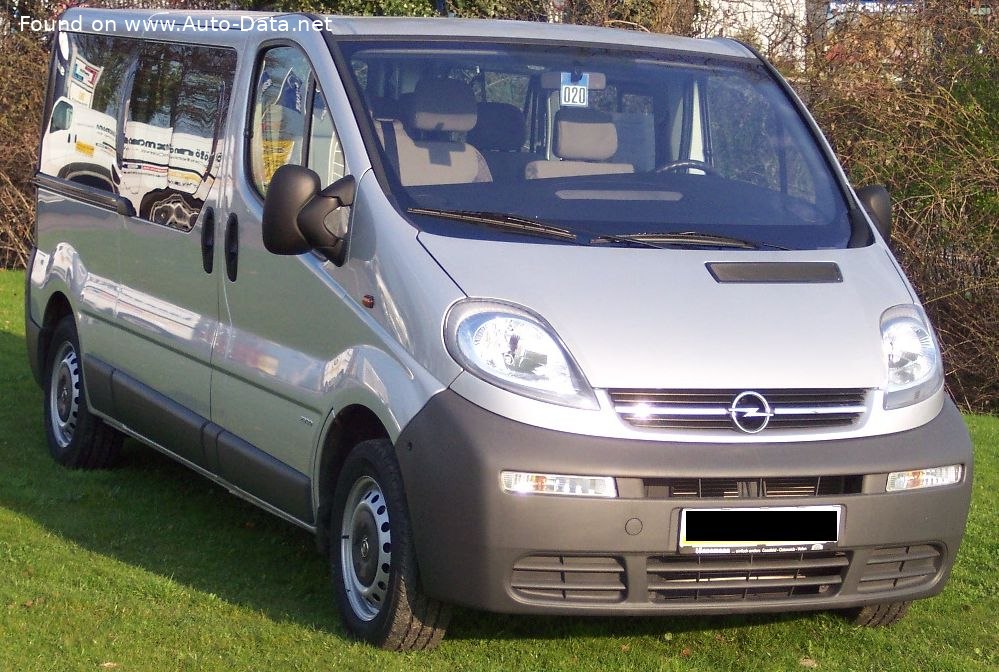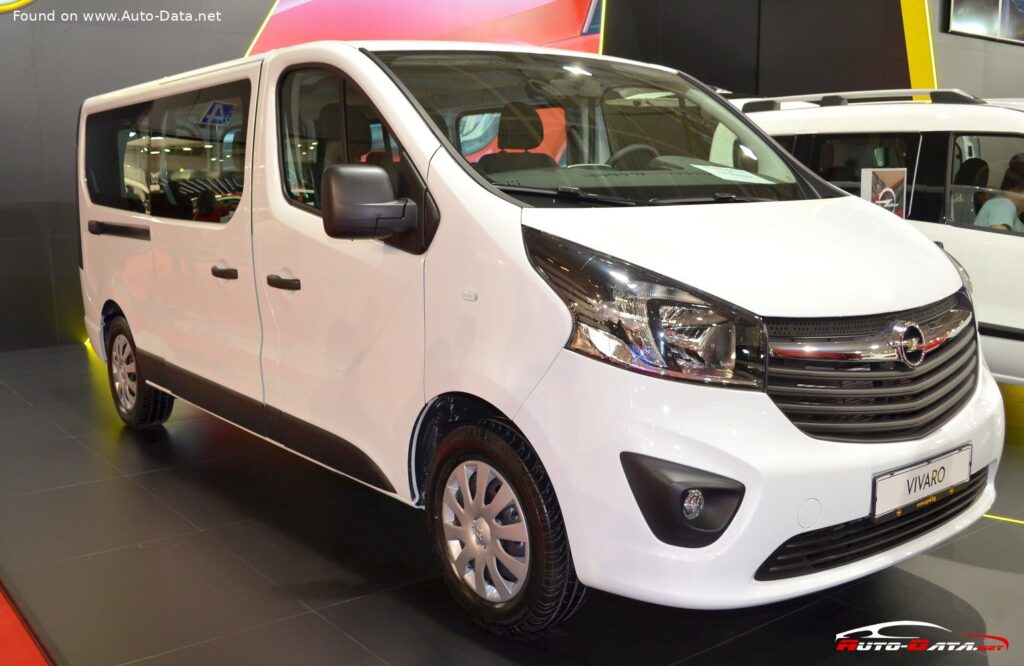
The Opel Vivaro B 1.6 CDTI BiTurbo, producing 125 horsepower, is a light commercial vehicle marketed primarily in Europe. Introduced in April 2015 and continuing through December 2018, the Vivaro B represents the second generation of the Vivaro line. Positioned as a versatile panel van and passenger carrier (minivan), it competes with vehicles like the Volkswagen Transporter, Ford Transit, and Renault Trafic. While not officially sold in the United States, understanding the Vivaro B provides insight into the European commercial vehicle market and Opel’s engineering during this period. This article details the technical specifications and features of the 1.6 CDTI BiTurbo variant.
Opel Vivaro B: Overview and Market Position
The Vivaro B was a collaborative effort between Opel and Renault, sharing a platform and many components with the Renault Trafic. This partnership allowed both manufacturers to reduce development costs and offer a competitive product in the increasingly demanding light commercial vehicle segment. The Vivaro B aimed to provide a balance of practicality, efficiency, and comfort, catering to both businesses needing a reliable workhorse and families requiring a spacious people mover. The 1.6 CDTI BiTurbo engine was a key component of the Vivaro B’s appeal, offering a good compromise between power and fuel economy.
Engine & Performance
The heart of the Opel Vivaro B 1.6 CDTI BiTurbo is a 1.6-liter inline four-cylinder diesel engine, designated R9M-452. This engine utilizes a sophisticated BiTurbo setup – two turbochargers working in sequence – to deliver a broad torque curve and improved responsiveness. It produces 125 horsepower at 3500 rpm and 320 Nm (236.02 lb.-ft.) of torque at 1750 rpm. This configuration results in a power-to-weight ratio of 13.3 kg/Hp and a torque-to-weight ratio of 5.2 kg/Nm. The engine features a diesel commonrail fuel injection system and an intercooler to enhance performance and efficiency. The inclusion of a Start & Stop system further contributes to fuel savings in urban driving conditions. The engine’s displacement of 1598 cm3 (97.52 cu. in.) and a compression ratio of 16:1 are indicative of its design for optimal combustion and reduced emissions, meeting Euro 5 standards. The engine oil capacity is 7.4 liters (7.82 US qt | 6.51 UK qt) and requires a specific oil specification.
Design & Features
The Opel Vivaro B is a four-door minivan with a seating capacity of nine passengers. Its body style is characterized by a functional and modern design, prioritizing interior space and practicality. The vehicle’s dimensions – 4998 mm (196.77 in.) in length, 1956 mm (77.01 in.) in width, and 1971 mm (77.6 in.) in height – provide ample room for passengers and cargo. The wheelbase measures 3098 mm (121.97 in.), contributing to a stable ride. The front and rear track widths are 1615 mm (63.58 in.) and 1628 mm (64.09 in.) respectively. A key feature of the Vivaro B is its versatile interior, with a minimum trunk (boot) space of 1000 liters (35.31 cu. ft.) expanding to a maximum of 3200 liters (113.01 cu. ft.) with the rear seats folded. The vehicle’s kerb weight is 1665 kg (3670.7 lbs.), with a maximum permissible weight of 2960 kg (6525.68 lbs.) and a maximum load capacity of 1295 kg (2854.99 lbs.). The fuel tank capacity is 80 liters (21.13 US gal | 17.6 UK gal). The vehicle is equipped with ventilated discs on the front brakes and discs on the rear, providing adequate stopping power. The drivetrain is front-wheel drive, coupled with a six-speed manual transmission.
Technical Specifications
| Brand | Opel |
| Model | Vivaro |
| Generation | Vivaro B |
| Type (Engine) | 1.6 CDTI BiTurbo (125 Hp) start/stop |
| Start of production | April, 2015 |
| End of production | December, 2018 |
| Powertrain Architecture | Internal Combustion engine |
| Body type | Minivan |
| Seats | 9 |
| Doors | 4 |
| Fuel consumption (combined) | 5.7 l/100 km (41.3 US mpg, 49.6 UK mpg, 17.5 km/l) |
| Fuel Type | Diesel |
| Emission standard | Euro 5 |
| Weight-to-power ratio | 13.3 kg/Hp |
| Weight-to-torque ratio | 5.2 kg/Nm |
| Power | 125 Hp @ 3500 rpm |
| Power per litre | 78.2 Hp/l |
| Torque | 320 Nm @ 1750 rpm (236.02 lb.-ft. @ 1750 rpm) |
| Engine Model/Code | R9M-452 |
| Engine displacement | 1598 cm3 (97.52 cu. in.) |
| Number of cylinders | 4 |
| Engine configuration | Inline |
| Cylinder Bore | 79.7 mm (3.14 in.) |
| Piston Stroke | 80.1 mm (3.15 in.) |
| Compression ratio | 16:1 |
| Number of valves per cylinder | 4 |
| Fuel injection system | Diesel Commonrail |
| Engine aspiration | BiTurbo, Intercooler |
| Engine oil capacity | 7.4 l (7.82 US qt | 6.51 UK qt) |
| Coolant | 8.3 l (8.77 US qt | 7.3 UK qt) |
| Kerb Weight | 1665 kg (3670.7 lbs.) |
| Max. weight | 2960 kg (6525.68 lbs.) |
| Max load | 1295 kg (2854.99 lbs.) |
| Trunk (boot) space – minimum | 1000 l (35.31 cu. ft.) |
| Trunk (boot) space – maximum | 3200 l (113.01 cu. ft.) |
| Fuel tank capacity | 80 l (21.13 US gal | 17.6 UK gal) |
| Length | 4998 mm (196.77 in.) |
| Width | 1956 mm (77.01 in.) |
| Height | 1971 mm (77.6 in.) |
| Wheelbase | 3098 mm (121.97 in.) |
| Front track | 1615 mm (63.58 in.) |
| Rear (Back) track | 1628 mm (64.09 in.) |
| Drivetrain Architecture | Front wheel drive, Internal Combustion engine |
| Number of gears and type of gearbox | 6 gears, manual transmission |
| Front brakes | Ventilated discs |
| Rear brakes | Disc |