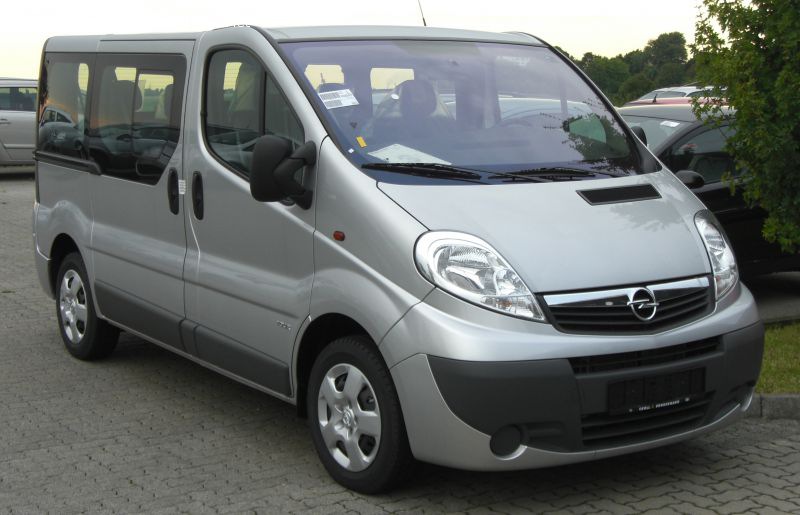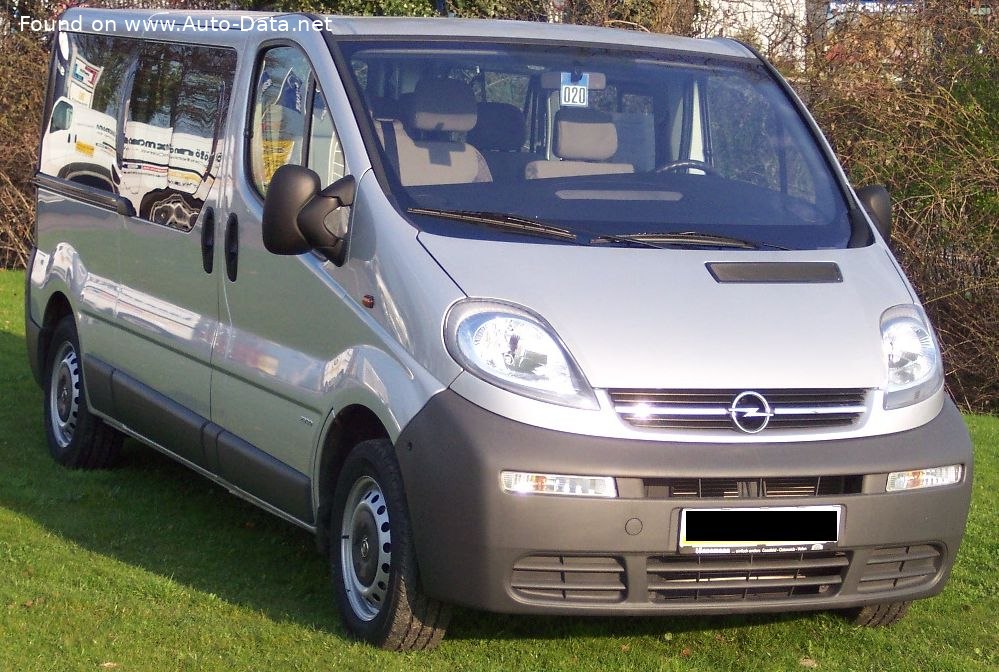
The Opel Vivaro C Combi S 2.0d (150 Hp) is a commercial and passenger vehicle produced by the German automaker Opel, starting in September 2019. Part of the Vivaro C generation, it represents a significant update to Opel’s light commercial vehicle (LCV) lineup. While not directly sold in the United States, the Vivaro is a popular choice in Europe as a versatile van catering to both commercial and family needs, bridging the gap between a traditional cargo van and a multi-purpose vehicle (MPV). The “Combi S” designation indicates a passenger-focused configuration with increased comfort and features compared to the base cargo van models.
Opel Vivaro C Combi S: Overview
The Vivaro C generation, co-developed with PSA Group (now Stellantis) and shared with Peugeot, Citroën, and Fiat, aimed to provide a modern, efficient, and technologically advanced platform for light commercial vehicles. The Combi S variant specifically targets families and businesses requiring flexible seating arrangements and a comfortable interior. It serves as a practical alternative to larger MPVs, offering a substantial amount of space and utility in a relatively compact package. The 2.0d model, equipped with a 150 horsepower diesel engine, represents a balance between performance and fuel efficiency within the Vivaro range.
Engine & Performance
The Opel Vivaro C Combi S 2.0d is powered by a 2.0-liter inline-four cylinder diesel engine, designated D20DTH or DW10FDU. This engine produces 150 horsepower at 4000 rpm and 370 Nm (272.9 lb.-ft.) of torque at 2000 rpm. The engine features a turbocharger and intercooler to enhance performance and efficiency. Power per liter is rated at 75.1 hp/l. The engine utilizes a Diesel Commonrail fuel injection system and meets Euro 6d-TEMP emission standards, incorporating a particulate filter to reduce harmful emissions. The engine is transversely mounted at the front of the vehicle. Power is delivered to the front wheels via a six-speed manual transmission. The vehicle’s weight-to-power ratio is 11.6 kg/Hp, and its weight-to-torque ratio is 4.7 kg/Nm. Fuel economy is rated at 5.4-5.8 l/100 km combined (43.6 – 40.6 US mpg, 52.3 – 48.7 UK mpg), with urban consumption ranging from 6.1-6.6 l/100 km (38.6 – 35.6 US mpg) and extra-urban consumption at 5.0-5.4 l/100 km (47 – 43.6 US mpg).
Design & Features
The Opel Vivaro C Combi S is a four-door minivan with a spacious interior capable of seating up to eight passengers. Its design prioritizes practicality and functionality, with a focus on maximizing interior space. The vehicle’s dimensions are 4606 mm (181.34 in) in length, 2010 mm (79.13 in) in width, and 1905 mm (75 in) in height, with a wheelbase of 2925 mm (115.16 in). The vehicle offers a substantial trunk (boot) space of 3600 liters (127.13 cu. ft.) with the rear seats folded. Key features include a comfortable cabin, flexible seating configurations, and a range of safety technologies. The Combi S trim level typically includes features such as air conditioning, a touchscreen infotainment system, and various driver-assistance systems like ABS (Anti-lock Braking System). The vehicle’s kerb weight is 1735 kg (3825.02 lbs), with a maximum permissible weight of 2700 kg (5952.48 lbs) and a maximum load capacity of 965 kg (2127.46 lbs). It is equipped with ventilated disc brakes on both the front and rear axles and utilizes an electric power steering system with a steering rack and pinion.
Technical Specifications
| Brand | Opel |
| Model | Vivaro |
| Generation | Vivaro C Combi S |
| Type (Engine) | 2.0d (150 Hp) |
| Start of production | September, 2019 |
| Powertrain Architecture | Internal Combustion engine |
| Body type | Minivan |
| Seats | 8 |
| Doors | 4 |
| Fuel consumption (urban) | 6.1-6.6 l/100 km (38.6 – 35.6 US mpg) |
| Fuel consumption (extra urban) | 5.0-5.4 l/100 km (47 – 43.6 US mpg) |
| Fuel consumption (combined) | 5.4-5.8 l/100 km (43.6 – 40.6 US mpg) |
| CO2 emissions | 142-152 g/km |
| Fuel Type | Diesel |
| Emission standard | Euro 6d-TEMP |
| Weight-to-power ratio | 11.6 kg/Hp |
| Weight-to-torque ratio | 4.7 kg/Nm |
| Power | 150 Hp @ 4000 rpm |
| Torque | 370 Nm @ 2000 rpm (272.9 lb.-ft. @ 2000 rpm) |
| Engine layout | Front, Transverse |
| Engine displacement | 1997 cm3 (121.86 cu. in.) |
| Number of cylinders | 4 |
| Engine configuration | Inline |
| Cylinder Bore | 85 mm (3.35 in.) |
| Piston Stroke | 88 mm (3.46 in.) |
| Number of valves per cylinder | 4 |
| Fuel injection system | Diesel Commonrail |
| Engine oil capacity | 6 l (6.34 US qt | 5.28 UK qt) |
| Kerb Weight | 1735 kg (3825.02 lbs.) |
| Max. weight | 2700 kg (5952.48 lbs.) |
| Max load | 965 kg (2127.46 lbs.) |
| Trunk (boot) space – maximum | 3600 l (127.13 cu. ft.) |
| Fuel tank capacity | 70 l (18.49 US gal | 15.4 UK gal) |
| AdBlue tank | 22.5 l (5.94 US gal | 4.95 UK gal) |
| Max. roof load | 150 kg (330.69 lbs.) |
| Permitted trailer load with brakes (12%) | 2300 kg (5070.63 lbs.) |
| Permitted trailer load without brakes | 750 kg (1653.47 lbs.) |
| Length | 4606 mm (181.34 in.) |
| Width | 2010 mm (79.13 in.) |
| Height | 1905 mm (75 in.) |
| Wheelbase | 2925 mm (115.16 in.) |
| Number of gears | 6 |
| Type of gearbox | Manual transmission |
The Opel Vivaro C Combi S 2.0d (150 Hp) represents a practical and versatile option for those seeking a spacious and efficient vehicle for both commercial and personal use. Its blend of performance, fuel economy, and practicality has made it a popular choice in the European market.