
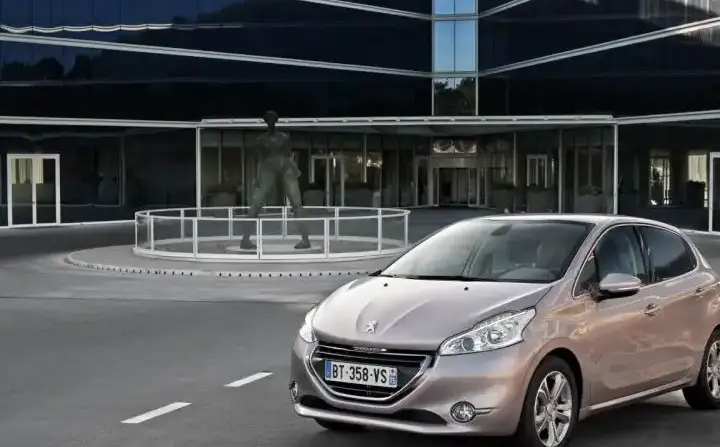
The Peugeot 208 1.6 VTi, produced between 2012 and 2015 as part of the first generation (Phase I) of the 208 model, represented a key offering in Peugeot’s subcompact hatchback lineup. Positioned as a mid-range trim, it aimed to balance performance and fuel efficiency for the European market. This variant, distinguished by its 1.6-liter naturally aspirated engine producing 120 horsepower, served as a popular alternative to the base models and the later, more focused performance and diesel options. The 208 itself was a significant redesign for Peugeot, moving away from the 207 and embracing a more modern and stylish aesthetic.
Technical Specifications
| Brand | Peugeot |
| Model | 208 |
| Generation | 208 I (Phase I, 2012) |
| Type (Engine) | 1.6 VTi (120 Hp) |
| Start of production | 2012 |
| End of production | 2015 |
| Powertrain Architecture | Internal Combustion engine |
| Body type | Hatchback |
| Seats | 5 |
| Doors | 3-5 |
| Fuel consumption (urban) | 8.1 l/100 km (29 US mpg, 34.9 UK mpg) |
| Fuel consumption (extra urban) | 4.5 l/100 km (52.3 US mpg, 62.8 UK mpg) |
| Fuel consumption (combined) | 5.8 l/100 km (40.6 US mpg, 48.7 UK mpg) |
| Fuel Type | Petrol (Gasoline) |
| Acceleration 0 – 100 km/h | 8.9 sec |
| Acceleration 0 – 62 mph | 8.9 sec |
| Acceleration 0 – 60 mph | 8.5 sec |
| Maximum speed | 190 km/h (118.06 mph) |
| Emission standard | Euro 5 |
| Weight-to-power ratio | 9.1 kg/Hp |
| Weight-to-torque ratio | 6.8 kg/Nm |
| Power | 120 Hp @ 6000 rpm |
| Torque | 160 Nm @ 4250 rpm (118.01 lb.-ft. @ 4250 rpm) |
| Engine layout | Front, Transverse |
| Engine Model/Code | 5FS EP6C |
| Engine displacement | 1397 cm3 (85.25 cu. in.) |
| Number of cylinders | 4 |
| Engine configuration | Inline |
| Number of valves per cylinder | 4 |
| Fuel injection system | Multi-port manifold injection |
| Engine aspiration | Naturally aspirated engine |
| Engine oil capacity | 4.25 l (4.49 US qt | 3.74 UK qt) |
| Coolant capacity | 6 l (6.34 US qt | 5.28 UK qt) |
| Kerb Weight | 1090 kg (2403.04 lbs.) |
| Max. weight | 1605 kg (3538.42 lbs.) |
| Max load | 515 kg (1135.38 lbs.) |
| Trunk (boot) space – minimum | 285 l (10.06 cu. ft.) |
| Trunk (boot) space – maximum | 1076 l (38 cu. ft.) |
| Fuel tank capacity | 50 l (13.21 US gal | 11 UK gal) |
| Length | 3962 mm (155.98 in.) |
| Width | 1829 mm (72.01 in.) |
| Height | 1460 mm (57.48 in.) |
| Wheelbase | 2538 mm (99.92 in.) |
| Minimum turning circle | 10.2 m (33.46 ft.) |
| Drivetrain Architecture | Front wheel drive |
| Number of gears | 5 |
| Gearbox type | Manual transmission |
| Front suspension | Independent type McPherson |
| Rear suspension | Semi-independent, coil spring |
| Front brakes | Ventilated discs |
| Rear brakes | Disc |
| Assisting systems | ABS (Anti-lock braking system) |
| Steering type | Steering rack and pinion |
Powertrain & Engine Architecture
The heart of the 208 1.6 VTi is the 5FS EP6C engine, a 1.6-liter inline-four cylinder gasoline engine. This engine is part of Peugeot’s EP (Engine Prince) family, developed in collaboration with BMW. It features a naturally aspirated design with multi-point fuel injection and four valves per cylinder. The engine’s 120 horsepower output is achieved at 6000 rpm, while peak torque of 160 Nm (118 lb-ft) is delivered at 4250 rpm. The engine’s design prioritizes smooth power delivery and reasonable fuel economy over outright performance. The 5-speed manual transmission was the standard offering for this variant, providing a direct connection between the engine and the front wheels. The transmission’s gear ratios were tuned to balance acceleration and fuel efficiency, with a relatively tall fifth gear for highway cruising.
Driving Characteristics
The 208 1.6 VTi with the manual transmission offered a pleasant driving experience, particularly for everyday commuting. Acceleration from 0 to 60 mph took approximately 8.5 seconds, making it competitive within its class. While not a sports car, the engine provided sufficient power for overtaking maneuvers and navigating city streets. The 5-speed gearbox was light and precise, enhancing driver engagement. Compared to the more powerful GTi version, the 1.6 VTi lacked the raw acceleration and sporty handling. However, it offered a more refined and comfortable ride. Compared to the diesel variants, the 1.6 VTi provided a more responsive and engaging driving experience, albeit with slightly higher fuel consumption.
Equipment & Trim Levels
The 1.6 VTi trim level typically included features such as air conditioning, power windows, power door locks, and a basic audio system with USB connectivity. Higher trim levels added features like alloy wheels, fog lights, a touchscreen infotainment system, and automatic headlights. Interior upholstery was typically cloth, with options for upgraded materials. Safety features included ABS, electronic stability control, and multiple airbags. The 208 offered a range of customization options, allowing buyers to personalize their vehicles with different paint colors, interior trims, and optional extras.
Chassis & Braking
The 208 1.6 VTi utilized a McPherson strut front suspension and a semi-independent coil spring rear suspension. This setup provided a good balance between ride comfort and handling. The front brakes were ventilated discs, while the rear brakes were solid discs. ABS (Anti-lock Braking System) was standard, enhancing braking performance and safety. The steering was a rack and pinion system, providing precise and responsive steering feel. The chassis was designed to be lightweight, contributing to the car’s agility and fuel efficiency.
Market Reception & Comparison
The Peugeot 208 1.6 VTi was generally well-received by automotive critics. It was praised for its stylish design, comfortable ride, and fuel efficiency. However, some critics noted that the engine lacked the punch of its turbocharged competitors. Compared to other engines in the 208 lineup, the 1.6 VTi offered a good balance between performance and economy. The diesel variants provided superior fuel economy, while the GTi offered significantly more performance. In terms of reliability, the 1.6 VTi engine proved to be generally dependable, although some owners reported minor issues with the fuel injection system.
Legacy
The Peugeot 208 1.6 VTi remains a popular choice in the used car market, particularly for buyers seeking an affordable and reliable subcompact hatchback. The EP6C engine is known for its durability and relatively low maintenance costs. While not the most exciting version of the 208, the 1.6 VTi offers a practical and enjoyable driving experience. Its blend of style, comfort, and efficiency has ensured its continued appeal to a wide range of drivers. The 208 as a whole helped revitalize Peugeot’s image and establish it as a competitor in the increasingly competitive subcompact segment.
