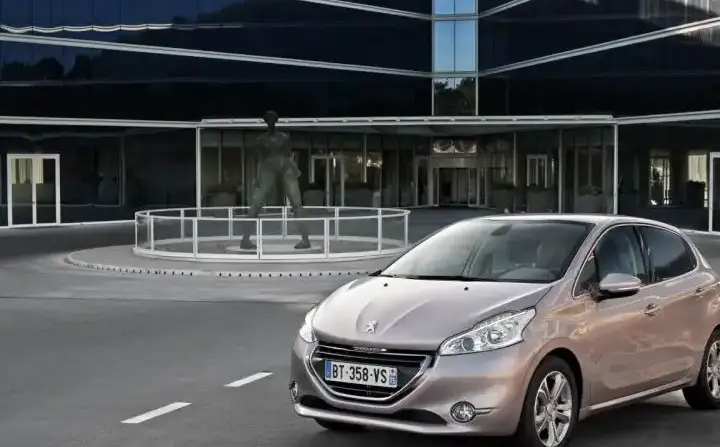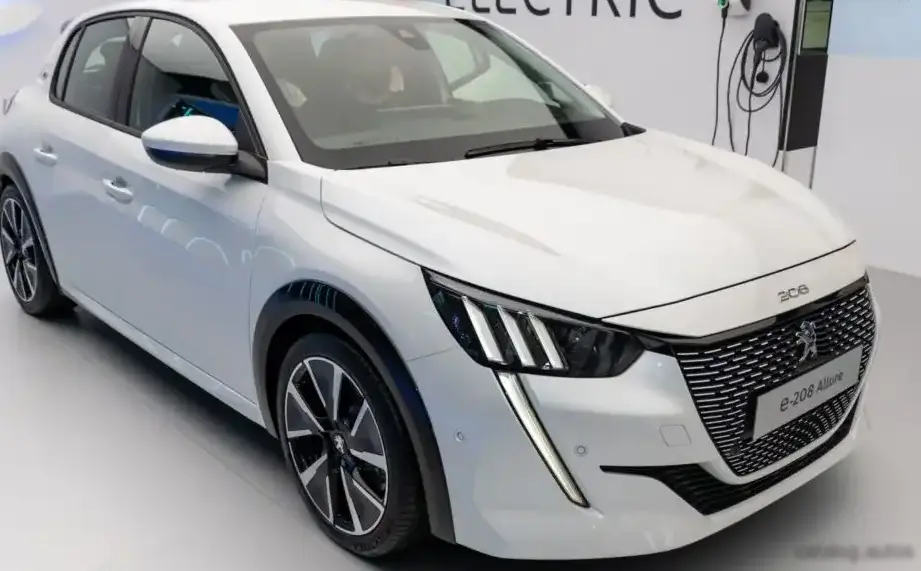
The Peugeot 208 II, launched in 2019, represented a significant step forward for Peugeot’s subcompact hatchback. The 1.2 PureTech 75 horsepower (Hp) Stop&Start variant, produced from 2019 to 2022, served as the entry point into the 208 II range. Positioned within the second generation (B47) of the 208, this model aimed to provide an affordable and fuel-efficient option for urban drivers. It was a key offering in the European market, where smaller, economical cars are highly sought after, and represented Peugeot’s commitment to downsizing and improving fuel economy. This particular engine and transmission combination was designed to appeal to buyers prioritizing cost-effectiveness and ease of driving over outright performance.
Technical Specifications
| Brand | Peugeot |
| Model | 208 |
| Generation | 208 II (Phase I, 2019) |
| Type (Engine) | 1.2 PureTech (75 Hp) Stop&Start |
| Start of production | 2019 |
| End of production | 2022 |
| Powertrain Architecture | Internal Combustion engine |
| Body type | Hatchback |
| Seats | 5 |
| Doors | 5 |
| Fuel consumption (urban) | 4.8 l/100 km (49 US mpg, 58.9 UK mpg, 20.8 km/l) |
| Fuel consumption (extra urban) | 3.7 l/100 km (63.6 US mpg, 76.3 UK mpg, 27 km/l) |
| Fuel consumption (combined) | 4.1 l/100 km (57.4 US mpg, 68.9 UK mpg, 24.4 km/l) |
| CO2 emissions | 93 g/km |
| Fuel Type | Petrol (Gasoline) |
| Acceleration 0 – 100 km/h | 13.2 sec |
| Acceleration 0 – 62 mph | 13.2 sec |
| Acceleration 0 – 60 mph | 12.5 sec |
| Maximum speed | 174 km/h (108.12 mph) |
| Emission standard | Euro 6 d-TEMP |
| Weight-to-power ratio | 13.1 kg/Hp, 76.5 Hp/tonne |
| Weight-to-torque ratio | 8.3 kg/Nm, 120.4 Nm/tonne |
| Power | 75 Hp @ 5750 rpm |
| Power per litre | 62.6 Hp/l |
| Torque | 118 Nm @ 2750 rpm (87.03 lb.-ft. @ 2750 rpm) |
| Engine layout | Front, Transverse |
| Engine Model/Code | HMH EB2FAD |
| Engine displacement | 1199 cm3 (73.17 cu. in.) |
| Number of cylinders | 3 |
| Engine configuration | Inline |
| Number of valves per cylinder | 4 |
| Fuel injection system | Direct injection |
| Engine aspiration | Turbocharger, Intercooler |
| Engine oil capacity | 3.25 l (3.43 US qt, 2.86 UK qt) |
| Kerb Weight | 980 kg (2160.53 lbs.) |
| Max. weight | 1510 kg (3328.98 lbs.) |
| Max load | 530 kg (1168.45 lbs.) |
| Trunk (boot) space – minimum | 265 l (9.36 cu. ft.) |
| Fuel tank capacity | 40 l (10.57 US gal, 8.8 UK gal) |
| Permitted trailer load with brakes (12%) | 500 kg (1102.31 lbs.) |
| Length | 4055 mm (159.65 in.) |
| Width | 1745 mm (68.7 in.) |
| Height | 1430 mm (56.3 in.) |
| Wheelbase | 2540 mm (100 in.) |
| Front track | 1500 mm (59.06 in.) |
| Rear (Back) track | 1500 mm (59.06 in.) |
| Front overhang | 825 mm (32.48 in.) |
| Rear overhang | 690 mm (27.17 in.) |
| Minimum turning circle | 10.4 m (34.12 ft.) |
| Drivetrain Architecture | Front wheel drive |
| Number of gears and type of gearbox | 5 gears, manual transmission |
| Front suspension | Independent type McPherson |
| Rear suspension | Elastic beam |
| Front brakes | Disc, 283 mm |
| Rear brakes | Drum, 249 mm |
| Assisting systems | ABS (Anti-lock braking system) |
| Steering type | Steering rack and pinion |
| Tires size | 185/65 R15 T; 195/55 R16 H |
| Wheel rims size | 15; 16 |
Powertrain & Engine Architecture
The heart of this 208 variant is the HMH EB2FAD 1.2-liter three-cylinder petrol engine. This engine belongs to Peugeot’s PureTech family, known for its combination of direct injection, a turbocharger, and an intercooler. The direct injection system allows for precise fuel delivery, improving efficiency and reducing emissions. The turbocharger, though relatively small, provides a boost in power and torque, mitigating the inherent limitations of a small-displacement engine. The engine utilizes a timing belt, a detail that requires periodic maintenance. The 75 Hp output is achieved at 5750 rpm, while peak torque of 118 Nm (87 lb-ft) is delivered at 2750 rpm. This engine is paired with a five-speed manual transmission, chosen for its simplicity and cost-effectiveness. The Stop&Start system, standard on this model, automatically shuts off the engine when the vehicle is stationary (at traffic lights, for example) to further reduce fuel consumption and emissions.
Driving Characteristics
The 1.2 PureTech 75 Hp automatic setup delivers modest performance. Acceleration from 0 to 100 km/h (0-62 mph) takes around 13.2 seconds, making it suitable for city driving but less ideal for highway overtaking. The engine feels responsive enough at lower speeds, thanks to the turbocharger, but can feel strained when pushed harder. The five-speed manual transmission is well-matched to the engine’s characteristics, offering reasonable gear spacing. Compared to the more powerful 100 Hp or 130 Hp versions of the 1.2 PureTech, this variant feels noticeably slower. However, it offers a smoother and more relaxed driving experience, particularly in urban environments. The gear ratios are optimized for fuel efficiency rather than outright performance.
Equipment & Trim Levels
The 1.2 PureTech 75 Hp Stop&Start typically came equipped with basic, but functional, features. Standard equipment generally included air conditioning, power steering, electric front windows, a basic audio system with Bluetooth connectivity, and ABS brakes. Safety features such as ESP (Electronic Stability Program) and multiple airbags were also standard. Higher trim levels, such as Active or Allure, added features like alloy wheels, a touchscreen infotainment system, cruise control, and rear parking sensors. Interior upholstery was typically cloth, with a simple and functional dashboard layout. Optional extras included a panoramic sunroof, navigation system, and upgraded audio systems.
Chassis & Braking
The 208 II utilizes a McPherson strut front suspension and an elastic beam rear suspension. This setup provides a good balance between comfort and handling. The front brakes are disc brakes, measuring 283mm in diameter, while the rear brakes are drum brakes, measuring 249mm. This configuration was chosen to keep costs down in the entry-level models. ABS (Anti-lock Braking System) is standard, providing enhanced braking performance and stability. The steering is a rack and pinion system, offering precise and responsive steering feel.
Market Reception & Comparison
The 1.2 PureTech 75 Hp variant was generally well-received as an affordable and economical option. Critics praised its fuel efficiency and low running costs, but noted its lack of outright performance. Compared to the higher-output 1.2 PureTech models, this variant offered a lower price point but sacrificed acceleration and overall driving excitement. The 1.5 BlueHDi diesel variants offered better fuel economy but came with a higher purchase price and potential concerns about diesel emissions regulations. The 1.2 PureTech 75 Hp appealed to buyers who prioritized practicality and affordability over performance.
Legacy
The 1.2 PureTech engine, in its various iterations, has proven to be a relatively reliable powertrain, although early versions did experience some issues with the timing chain. The 75 Hp variant, being the least stressed version, generally exhibits good long-term reliability. On the used car market, these models are often sought after by first-time buyers or those looking for a cheap and economical city car. The combination of fuel efficiency, low running costs, and a relatively compact size makes it a practical choice for urban driving. However, potential buyers should be aware of the importance of regular maintenance, particularly oil changes and timing belt replacement, to ensure continued reliability.