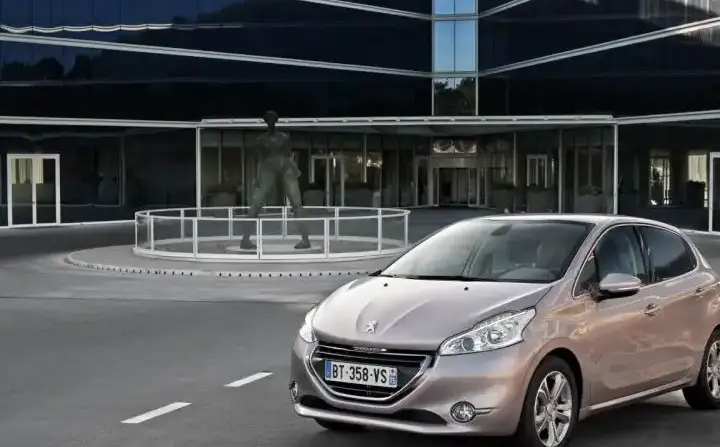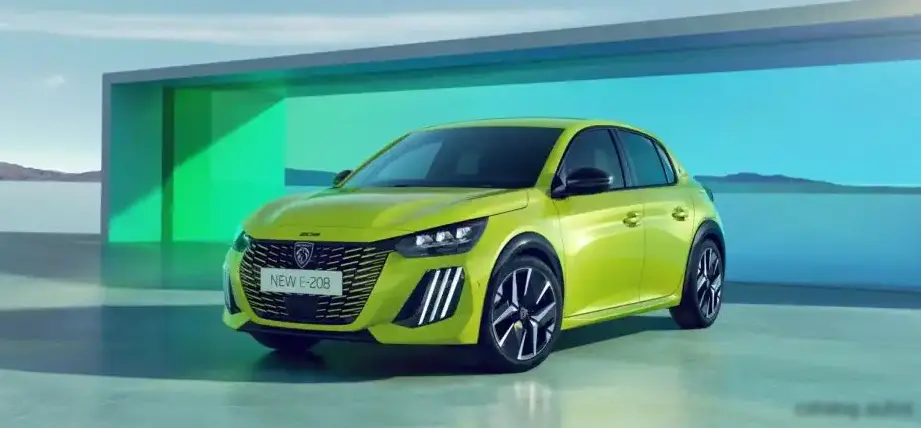
The Peugeot 208 II Phase II 1.2 PureTech 75 hp, launched in September 2023 and running through August 2024, represents the entry point into the second-generation 208 hatchback range. Positioned as an affordable and fuel-efficient option, this variant caters to buyers prioritizing economy and practicality over outright performance. It builds upon the foundation of the B-segment 208, a model crucial to Peugeot’s European sales figures, offering a modern and stylish package within a competitive market. This specific configuration utilizes Peugeot’s three-cylinder PureTech engine paired with a five-speed manual transmission.
Technical Specifications
| Brand | Peugeot |
| Model | 208 |
| Generation | 208 II (Phase II, 2023) |
| Type (Engine) | 1.2 PureTech (75 Hp) |
| Start of production | September, 2023 |
| End of production | August, 2024 |
| Powertrain Architecture | Internal Combustion engine |
| Body type | Hatchback |
| Seats | 5 |
| Doors | 5 |
| Combined fuel consumption (WLTP) | 5.4 l/100 km (43.6 US mpg, 52.3 UK mpg, 18.5 km/l) |
| CO2 emissions (WLTP) | 120 g/km |
| Fuel Type | Petrol (Gasoline) |
| Acceleration 0 – 100 km/h | 13.2 sec |
| Acceleration 0 – 62 mph | 13.2 sec |
| Acceleration 0 – 60 mph | 12.5 sec |
| Maximum speed | 165 km/h (102.53 mph) |
| Emission standard | Euro 6d |
| Weight-to-power ratio | 13.8 kg/Hp, 72.6 Hp/tonne |
| Weight-to-torque ratio | 8.8 kg/Nm, 114.2 Nm/tonne |
| Power | 75 Hp @ 5750 rpm |
| Power per litre | 62.6 Hp/l |
| Torque | 118 Nm @ 2750 rpm (87.03 lb.-ft. @ 2750 rpm) |
| Engine layout | Front, Transverse |
| Engine Model/Code | HM05 |
| Engine displacement | 1199 cm3 (73.17 cu. in.) |
| Number of cylinders | 3 |
| Engine configuration | Inline |
| Number of valves per cylinder | 4 |
| Fuel injection system | Direct injection |
| Engine aspiration | Turbocharger, Intercooler |
| Engine systems | Start & Stop System, Particulate filter |
| Kerb Weight | 1033 kg (2277.38 lbs.) |
| Max. weight | 1510 kg (3328.98 lbs.) |
| Max load | 477 kg (1051.6 lbs.) |
| Trunk (boot) space – minimum | 387 l (13.67 cu. ft.) |
| Trunk (boot) space – maximum | 1163 l (41.07 cu. ft.) |
| Permitted trailer load with brakes (12%) | 500 kg (1102.31 lbs.) |
| Length | 4055 mm (159.65 in.) |
| Width | 1745 mm (68.7 in.) |
| Width with mirrors folded | 1765 mm (69.49 in.) |
| Width including mirrors | 1960 mm (77.17 in.) |
| Height | 1430 mm (56.3 in.) |
| Wheelbase | 2540 mm (100 in.) |
| Front track | 1500 mm (59.06 in.) |
| Rear (Back) track | 1500 mm (59.06 in.) |
| Front overhang | 825 mm (32.48 in.) |
| Rear overhang | 690 mm (27.17 in.) |
| Drivetrain Architecture | The Internal combustion engine (ICE) drives the front wheels of the vehicle. |
| Drive wheel | Front wheel drive |
| Number of gears and type of gearbox | 5 gears, manual transmission |
| Front suspension | Independent type McPherson |
| Rear suspension | Elastic beam |
| Front brakes | Disc, 266×22 mm |
| Rear brakes | Drum |
| Assisting systems | ABS (Anti-lock braking system) |
| Steering type | Steering rack and pinion |
| Power steering | Electric Steering |
| Tires size | 195/55 R16 H |
| Wheel rims size | 16 |
Powertrain & Engine Architecture
At the heart of the 208 II 1.2 PureTech 75 lies Peugeot’s HM05 engine, a 1.2-liter, three-cylinder turbocharged gasoline engine. This engine is part of the PureTech family, known for its efficiency and refinement. The HM05 utilizes direct fuel injection, optimizing combustion and contributing to lower emissions. The turbocharger, coupled with an intercooler, provides a boost in power and torque, despite the relatively small displacement. The engine features four valves per cylinder and a timing chain, generally considered more durable than timing belts. This variant is exclusively paired with a five-speed manual transmission, chosen for its simplicity and cost-effectiveness. The transmission’s gear ratios are tuned for fuel economy, prioritizing lower engine speeds at highway cruising.
Driving Characteristics
The 75 hp output and 118 Nm of torque translate to modest, but adequate, performance. Acceleration from 0-60 mph takes around 12.5 seconds, and the top speed is 165 km/h (102.53 mph). Compared to higher-output PureTech variants (100 hp or 130 hp) or diesel options, this version feels noticeably slower, particularly when fully loaded or tackling inclines. The five-speed manual transmission requires more frequent gear changes to maintain momentum. However, the engine is surprisingly responsive at lower RPMs thanks to the turbocharger, making it suitable for urban driving. The gear ratios are relatively long, contributing to fuel efficiency but sacrificing some responsiveness. The overall driving experience is geared towards comfort and economy rather than sporty handling.
Equipment & Trim Levels
The 1.2 PureTech 75 typically represents the base trim level in the 208 II range. Standard equipment generally includes air conditioning, a touchscreen infotainment system (usually 7 inches), Bluetooth connectivity, and basic safety features like ABS, ESP (Electronic Stability Program), and multiple airbags. Interior upholstery is typically cloth, and the dashboard features a functional, if somewhat basic, design. Optional extras often include alloy wheels, a larger touchscreen, rear parking sensors, and a suite of advanced driver-assistance systems (ADAS) such as lane departure warning and automatic emergency braking. The specific standard and optional equipment can vary slightly depending on the market and any optional packages selected.
Chassis & Braking
The 208 II utilizes a McPherson strut front suspension and an elastic beam rear suspension. This setup provides a good balance between ride comfort and handling. The front brakes are disc brakes (266x22mm), while the rear brakes are drum brakes, a cost-saving measure common in entry-level trims. Electric power steering is standard, offering light and precise steering feel. The suspension is tuned for comfort, absorbing bumps and imperfections in the road surface effectively. Stabilizer bars are present, helping to reduce body roll during cornering, but the overall handling is not particularly sporty.
Market Reception & Comparison
The 1.2 PureTech 75 was generally well-received as an affordable and economical option within the 208 range. Critics praised its fuel efficiency (around 5.4 l/100 km) and its suitability for urban driving. However, its lack of outright performance was often noted. Compared to the 100 hp PureTech variant, the 75 hp version offers significantly less power and acceleration. The diesel options, while offering better fuel economy, came with a higher purchase price and potential concerns about diesel emissions regulations. The 75 hp model targeted budget-conscious buyers who prioritized fuel economy and practicality over performance.
Legacy
The 1.2 PureTech engine, in its various iterations, has proven to be a relatively reliable powertrain, although early versions of the engine did experience some issues with timing chain durability. The HM05 engine, specifically, appears to have addressed many of these concerns. In the used car market, the 208 II 1.2 PureTech 75 represents a good value proposition for buyers seeking an affordable and fuel-efficient hatchback. Maintenance costs are generally reasonable, and parts availability is good. However, potential buyers should be aware of the importance of regular servicing and oil changes to ensure the longevity of the engine and transmission.