The Peugeot 304 Cabrio: A French Open-Air Classic
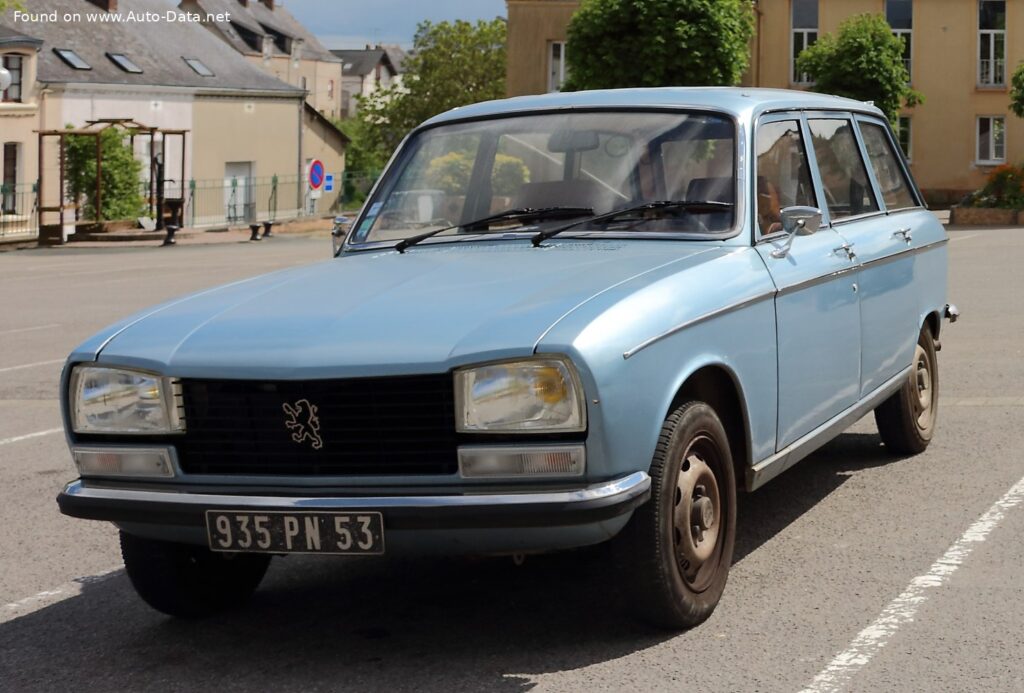
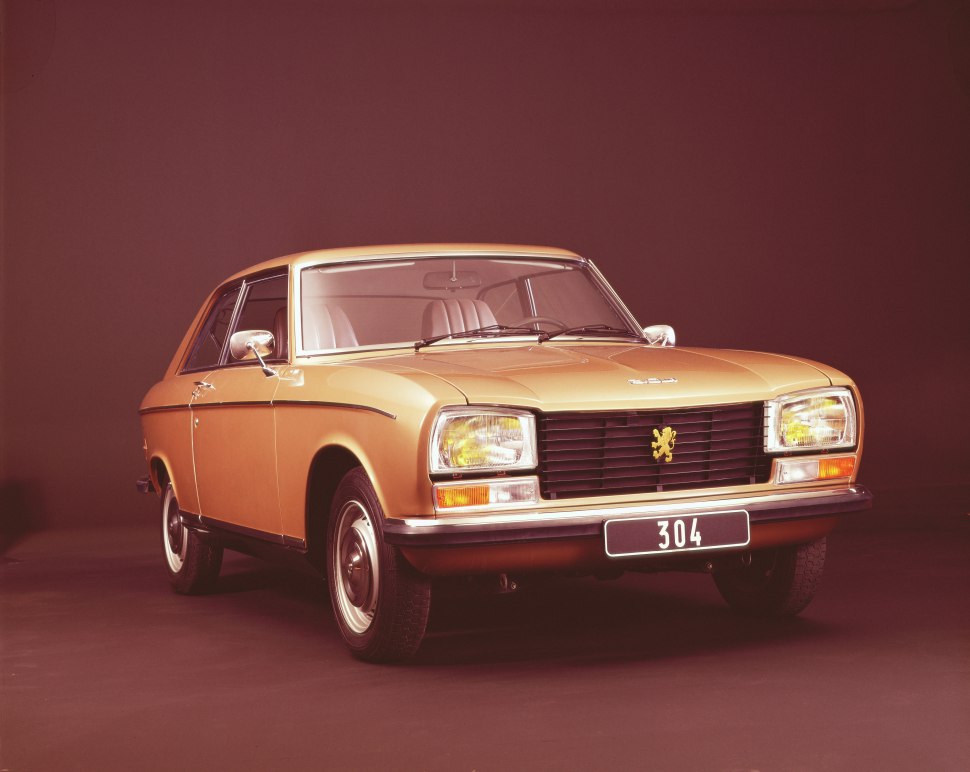
The Peugeot 304 Cabrio represents a charming chapter in the history of French automotive design, offering an accessible and stylish open-top motoring experience during the early 1970s. Produced by the venerable French automaker Peugeot, the 304 series itself was an evolution of the popular 204, sharing many of its mechanical components but offering a more refined and elongated design. The 304 Cabrio, specifically the 1.3 (B01) variant, emerged in 1970 and remained in production until 1973, carving out a niche as a compact yet elegant convertible in the European market. While not a common sight on American roads, its design principles and engineering reflect a period of significant innovation and aesthetic flair in European automotive manufacturing. This particular generation, known simply as the 304 Cabrio, highlighted Peugeot’s commitment to providing diverse body styles, including sedans, wagons, coupes, and of course, this delightful cabriolet.
Engine and Performance of the Peugeot 304 Cabrio 1.3 (B01)
Under the hood, the Peugeot 304 Cabrio 1.3 (B01) was powered by an internal combustion engine, specifically the XL5 model, a naturally aspirated gasoline (petrol) unit. This 1.3-liter engine was designed with a focus on reliability and adequate performance for its segment, rather than outright speed. It delivered a modest but respectable 65 horsepower (Hp), a figure that, while seeming low by today’s standards, was quite suitable for a compact European convertible of the era. The engine’s naturally aspirated design meant a smooth, linear power delivery, characteristic of many engines from this period. Its four-cylinder configuration, typical for its size, provided a balanced blend of efficiency and responsiveness for cruising along scenic routes, which was the primary appeal of a cabriolet.
The powertrain architecture was straightforward, emphasizing ease of maintenance and durability. The engine oil capacity was 4 liters (4.23 US quarts), and the cooling system held 5.8 liters (6.13 US quarts) of coolant, indicating standard capacities for a vehicle of this size and era. These specifications underscore the practical engineering approach Peugeot adopted for the 304 series, ensuring it was not only enjoyable to drive but also manageable to own. The 65 Hp output, combined with the presumably light curb weight of the cabriolet body, would have provided sufficient acceleration for city driving and comfortable cruising at highway speeds prevalent in Europe at the time, making it an ideal companion for leisure and weekend getaways.
Design and Features: The Allure of the Peugeot 304 Cabrio
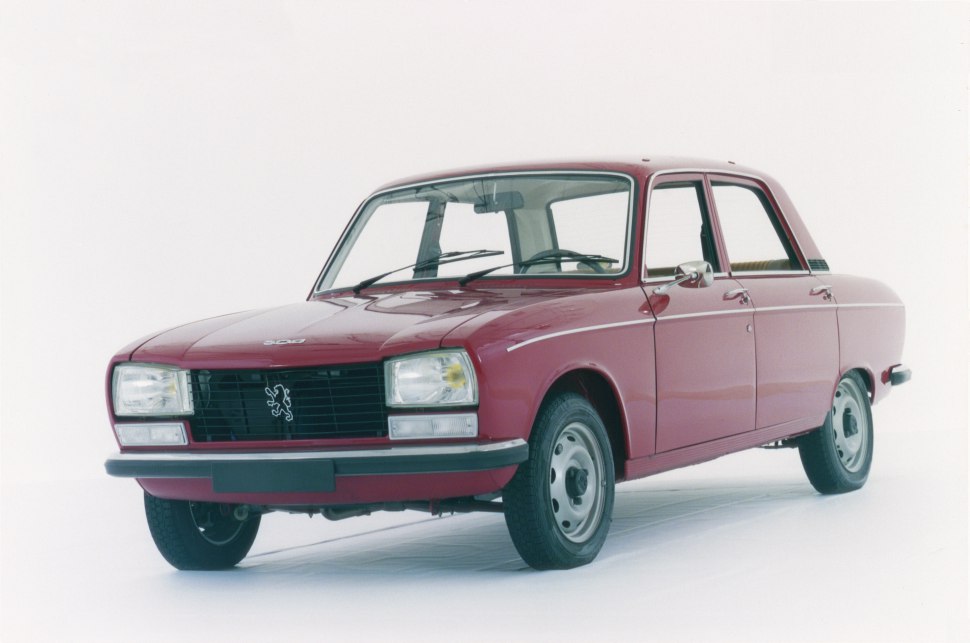
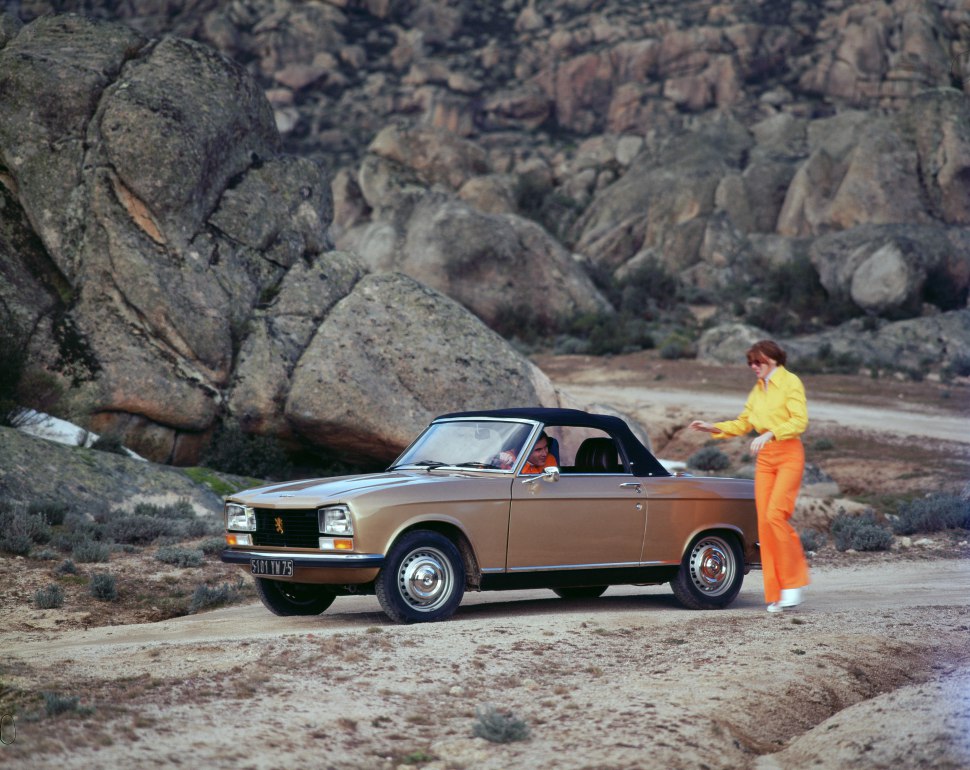
The defining characteristic of the Peugeot 304 Cabrio is, without a doubt, its cabriolet body type. This open-top design was a significant selling point, offering the exhilaration of wind-in-the-hair motoring. The 304 series itself was notable for its elegant, clean lines, often attributed to the influence of Pininfarina, a design house with a long-standing relationship with Peugeot. The cabriolet version retained this sophistication, featuring a well-proportioned silhouette that looked equally appealing with the soft top up or folded down.
For a car produced between 1970 and 1973, the 304 Cabrio featured design elements typical of the period. This included relatively slim pillars, large glass areas for excellent visibility, and chrome accents that were fashionable at the time. The interior, while not opulent, would have been functional and comfortable, likely featuring vinyl or cloth upholstery, simple instrumentation, and basic heating and ventilation systems. Safety features, by modern standards, would have been rudimentary, focusing on essentials like seatbelts (which were becoming more common) and a robust chassis. The appeal of the 304 Cabrio lay less in its high-tech features and more in its timeless aesthetic and the inherent joy of open-air driving. It was designed to be an accessible dream car, blending everyday usability with a dash of continental flair, making it a popular choice for those seeking a stylish and enjoyable second car or a primary vehicle for a single individual or couple.
Technical Specifications
| Category | Specification |
|---|---|
| Brand | Peugeot |
| Model | 304 |
| Generation | 304 Cabrio |
| Type (Engine) | 1.3 (B01) (65 Hp) |
| Start of Production | 1970 year |
| End of Production | 1973 year |
| Powertrain Architecture | Internal Combustion engine |
| Body type | Cabriolet |
| Fuel Type | Petrol (Gasoline) |
| Power | 65 Hp |
| Engine Model/Code | XL5 |
| Engine Aspiration | Naturally aspirated engine |
| Engine Oil Capacity | 4 l (4.23 US qt | 3.52 UK qt) |
| Coolant Capacity | 5.8 l (6.13 US qt | 5.1 UK qt) |
Legacy and Market Impact of the Peugeot 304 Cabrio
The Peugeot 304 Cabrio played a significant role in its primary market, Europe, particularly in France. It offered an attractive alternative to more expensive or less practical open-top sports cars. Positioned as a stylish and relatively affordable convertible, it competed with a range of European rivals. Competitors in its segment included vehicles like the Renault 8 Gordini (though more performance-focused), the Fiat 850 Spider, and perhaps even the Simca 1200S Coupe/Cabriolet variants. What set the 304 Cabrio apart was its blend of Peugeot’s renowned ride comfort, elegant styling, and practical four-seater layout (or at least a 2+2 arrangement that offered more utility than a pure two-seater). It wasn’t designed to be a track-day hero but rather a pleasant cruiser for weekend trips and sunny days.
Its reputation was built on reliability, comfort, and distinctive French charm. Peugeot, during this era, was known for producing robust and well-engineered vehicles, and the 304 Cabrio was no exception. It contributed to Peugeot’s image as a manufacturer capable of producing not just dependable family cars but also desirable niche models. While its production run was relatively short (1970-1973), it left a lasting impression as a well-loved classic. Today, the Peugeot 304 Cabrio is cherished by enthusiasts in Europe for its classic lines, the simple pleasure of its driving experience, and its historical significance as a representative of a particular era of automotive design and lifestyle. Its impact on the broader automotive world was more localized to the European continent, where it provided an accessible entry into the world of convertible ownership, embodying the spirit of freedom and enjoyment that open-top cars promise. For collectors, it represents an authentic piece of French automotive heritage, a testament to a time when elegance and simplicity often went hand-in-hand with everyday motoring.