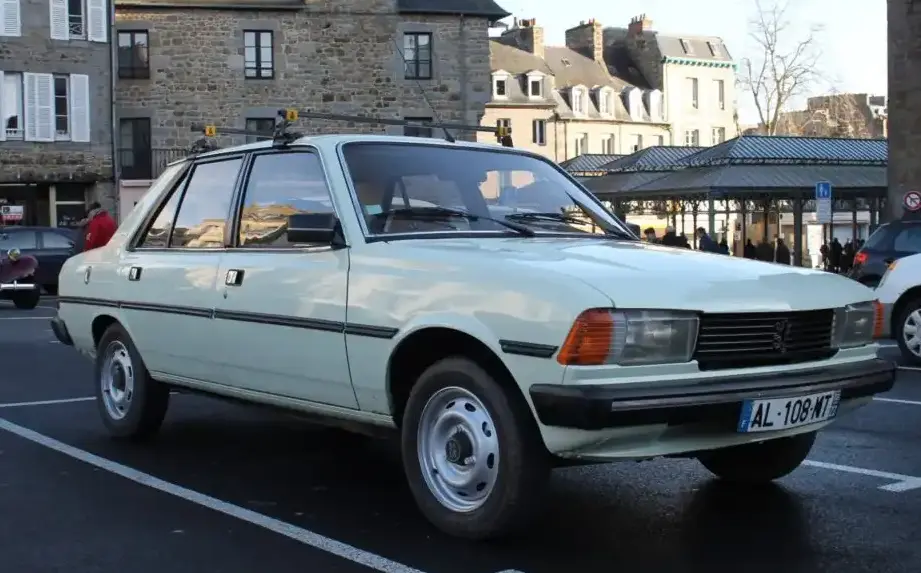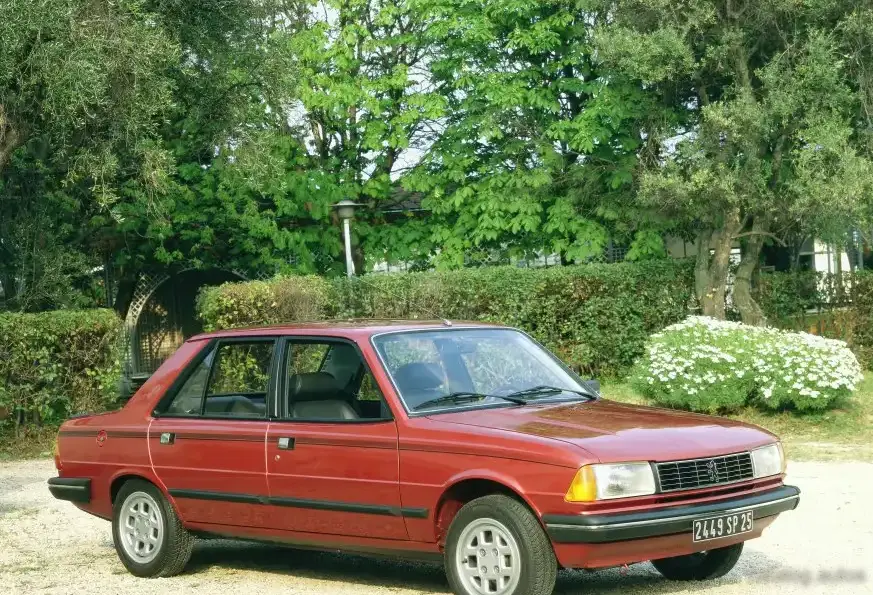
The Peugeot 305 Break 1.3, designated internally as 581D, was a station wagon variant of the Peugeot 305, produced between 1980 and 1982. It represented Peugeot’s entry into the compact family estate car market, offering a practical and affordable alternative to larger, more expensive wagons. Positioned as the base model within the 305 Break range, the 1.3-liter engine and manual transmission combination prioritized fuel economy and accessibility over outright performance. The 305 itself was a significant model for Peugeot, representing a move towards more modern, rationally designed vehicles, replacing the aging 404 and 504 estates.
Technical Specifications
| Brand | Peugeot |
| Model | 305 |
| Generation | 305 I Break (581D) |
| Type (Engine) | 1.3 (60 Hp) |
| Start of production | 1980 |
| End of production | 1982 |
| Powertrain Architecture | Internal Combustion engine |
| Body type | Station wagon (estate) |
| Fuel Type | Petrol (Gasoline) |
| Power | 60 Hp |
| Engine Model/Code | 118 XL5 |
| Engine aspiration | Naturally aspirated engine |
| Engine oil capacity | 4 l (4.23 US qt | 3.52 UK qt) |
| Coolant capacity | 6 l (6.34 US qt | 5.28 UK qt) |
Powertrain & Engine Architecture
The 305 Break 1.3 was powered by the Peugeot 118 XL5 engine, a 1,375 cc (84.0 cu in) inline-four cylinder petrol engine. This engine was a relatively simple design, featuring a single overhead camshaft (SOHC) operating two valves per cylinder. Fuel delivery was managed by a single, down-draft Solex carburetor, a common setup for European cars of this era. The engine produced 60 horsepower (44 kW) at 6,000 rpm and 87 Nm (64 lb-ft) of torque at 3,500 rpm. The engine block was cast iron, while the cylinder head was aluminum. The 118 XL5 was known for its durability and relative simplicity, making it relatively easy to maintain. The engine was typically paired with a four-speed manual transmission, although a three-speed automatic transmission was offered as an option, albeit less common. The automatic transmission was a conventional hydraulic unit, offering smooth but not particularly quick shifts.
Driving Characteristics
The 305 Break 1.3, with its modest 60 horsepower, was not designed for spirited driving. Acceleration was leisurely, and overtaking required careful planning. The four-speed manual transmission helped to keep the engine in its optimal power band, but even then, performance was best described as adequate. The automatic transmission further reduced performance, resulting in slower acceleration and a more relaxed driving experience. The gear ratios were geared towards fuel efficiency rather than outright speed. The car’s relatively light weight (around 1,050 kg or 2,315 lbs) helped to mitigate the lack of power to some extent. Handling was predictable and safe, with a focus on comfort rather than sporty dynamics. The suspension, consisting of independent front suspension with MacPherson struts and a torsion beam rear axle, provided a reasonably comfortable ride, even on uneven surfaces.
Equipment & Trim Levels
The 305 Break 1.3 was the entry-level model in the 305 Break range, and as such, it came with a relatively basic level of equipment. Standard features typically included cloth upholstery, vinyl floor covering, and basic instrumentation consisting of a speedometer, fuel gauge, and coolant temperature gauge. The steering wheel was a simple two-spoke design. Optional extras included a radio, heated rear window, and upgraded upholstery. The interior was functional and durable, but lacked the refinement of higher-spec models. The exterior trim was also fairly basic, with black plastic bumpers and simple steel wheels with hubcaps. The 305 Break offered a generous amount of cargo space for its size, making it a practical choice for families.
Chassis & Braking
The 305 Break featured a monocoque body construction. The front suspension utilized independent MacPherson struts with coil springs and an anti-roll bar. The rear suspension employed a torsion beam axle, which was a cost-effective and space-saving solution. Braking was initially provided by front disc brakes and rear drum brakes. Later models saw the introduction of rear disc brakes on some trims. The braking system was hydraulic, with dual-circuit master cylinder for added safety. The steering was a recirculating ball system, providing a relatively light but not particularly precise feel. The tires were typically 175/70 SR14, offering a good balance of comfort and grip.
Market Reception & Comparison
The Peugeot 305 Break 1.3 was generally well-received as a practical and affordable family estate car. Critics praised its spacious interior, comfortable ride, and fuel efficiency. However, the engine’s lack of power was a common criticism. Compared to other models in the 305 range, such as the 1.6-liter and diesel versions, the 1.3-liter engine felt underpowered, especially when fully loaded. The 1.6-liter engine offered a noticeable improvement in performance, while the diesel versions provided superior fuel economy. The 305 Break competed with other compact estate cars of the era, such as the Renault 18 Break, Citroën BX Estate, and Ford Sierra Estate. The Peugeot offered a good balance of practicality, comfort, and affordability, making it a popular choice in its segment.
Legacy
The Peugeot 305 Break 1.3, while not the most powerful or luxurious version of the 305, remains a fondly remembered car for many. The 118 XL5 engine proved to be remarkably durable, and many examples are still on the road today. The car’s simple design and relatively easy maintenance make it a popular choice for classic car enthusiasts. In the used car market, the 305 Break 1.3 is typically valued for its practicality and affordability. While not a collector’s item, well-maintained examples can command a reasonable price. The 305 Break, in general, helped to establish Peugeot as a major player in the European estate car market, paving the way for future models like the 306 Break and 307 SW.