Technical Specifications
| Brand | Peugeot |
| Model | 305 |
| Generation | 305 I Break (581D) |
| Type (Engine) | 1.5 (73 Hp) |
| Start of production | 1980 |
| End of production | 1982 |
| Powertrain Architecture | Internal Combustion engine |
| Body type | Station wagon (estate) |
| Fuel Type | Petrol (Gasoline) |
| Power | 73 Hp |
| Engine Model/Code | 142 XR5 |
| Engine aspiration | Naturally aspirated engine |
| Engine oil capacity | 4 l (4.23 US qt | 3.52 UK qt) |
| Coolant capacity | 6.7 l (7.08 US qt | 5.9 UK qt) |
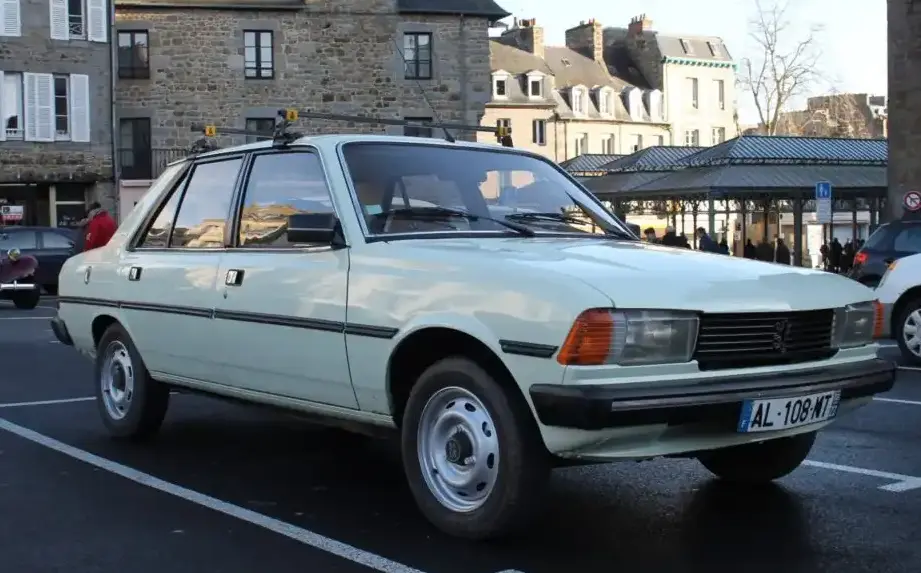
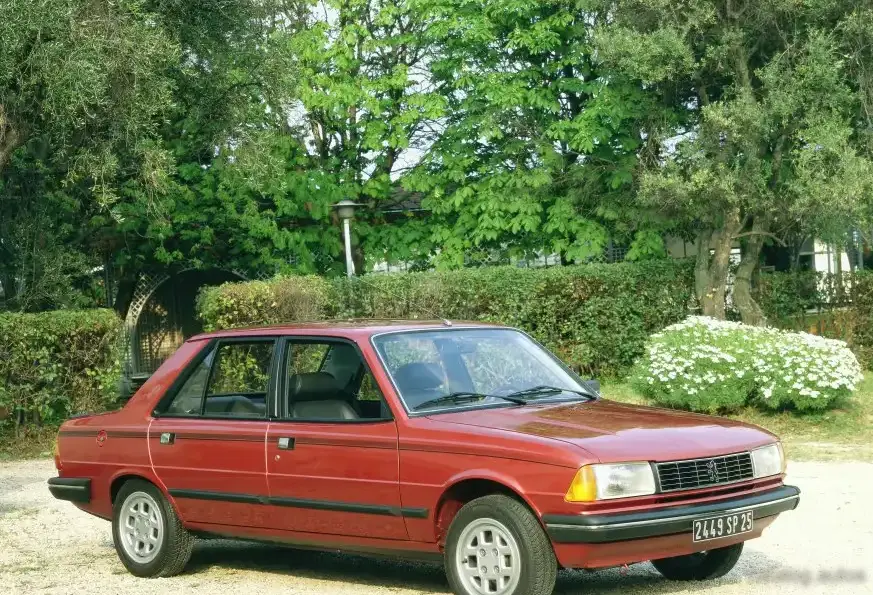
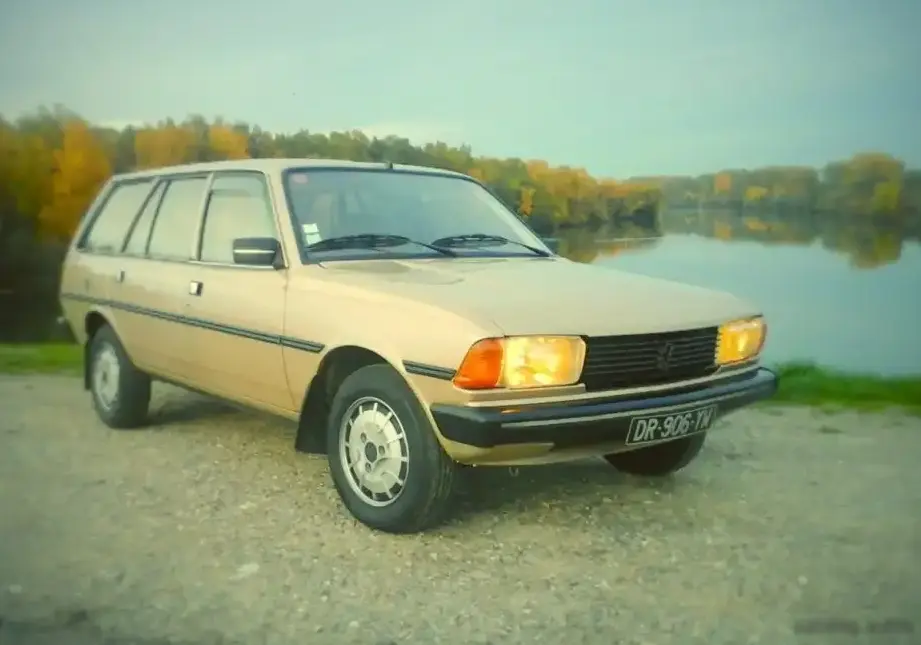
The Peugeot 305 Break 1.5, internally designated 581D, was a station wagon variant of the Peugeot 305, produced between 1980 and 1982. It represented Peugeot’s entry into the compact family estate car market, offering a practical and relatively affordable option for European buyers. The 305 series, launched in 1977, was a significant model for Peugeot, replacing the aging 304 and introducing a more modern design and engineering approach. The Break (estate) version expanded the 305’s appeal to families and those requiring greater cargo capacity. This particular 1.5-liter, 73 horsepower version occupied the lower end of the 305 Break lineup, prioritizing fuel economy and accessibility over outright performance.
Powertrain & Engine Architecture
The 305 Break 1.5 utilized the Peugeot 142 XR5 engine, a 1.5-liter (1477 cc) inline-four cylinder petrol engine. This engine was a relatively simple design, featuring a single overhead camshaft (SOHC) operating two valves per cylinder. Fuel delivery was managed by a single, down-draft Solex carburetor, a common setup for European cars of this era. The engine produced 73 horsepower (DIN) at 5,500 rpm and 98 Nm (72 lb-ft) of torque at 3,500 rpm. The engine block was cast iron, while the cylinder head was aluminum. The 305 Break 1.5 was exclusively offered with a four-speed manual transmission. Automatic transmissions were not available on this specific engine configuration. The engine’s design prioritized reliability and fuel efficiency over high performance, making it suitable for everyday driving and long distances. The carburetor, while simple, did require periodic adjustment to maintain optimal performance and fuel economy.
Driving Characteristics
The 1.5-liter engine in the 305 Break provided adequate, but not exhilarating, performance. Acceleration was modest, and the car was best suited for relaxed cruising rather than spirited driving. The four-speed manual transmission offered a reasonable spread of gears, but the engine lacked the torque to make frequent downshifts unnecessary. The gear ratios were geared towards economy, with a relatively tall final drive. Compared to the later 1.6-liter and 1.8-liter versions of the 305, the 1.5 felt noticeably slower, particularly when fully loaded with passengers and luggage. However, the lighter weight of the 1.5-liter engine compared to the larger displacement options contributed to slightly better handling and fuel economy. The steering was light and precise, typical of Peugeot vehicles of the period, and the suspension provided a comfortable ride, absorbing bumps and imperfections in the road surface effectively. While not a sports car, the 305 Break 1.5 offered a predictable and manageable driving experience.
Equipment & Trim Levels
The 305 Break 1.5 was generally considered the entry-level trim within the Break range. Standard equipment included cloth upholstery, basic instrumentation (speedometer, fuel gauge, temperature gauge), and manually operated windows and door locks. The interior was functional and durable, but lacked the refinement of higher-spec models. Optional extras included a sunroof, upgraded stereo system, and more comfortable seating. The dashboard layout was simple and straightforward, with all controls within easy reach of the driver. The rear seats could be folded down to increase cargo capacity, providing a versatile loading area. Exterior features included steel wheels with hubcaps, black plastic bumpers, and relatively simple chrome trim. The overall impression was one of practicality and affordability, rather than luxury.
Chassis & Braking
The 305 Break utilized a MacPherson strut front suspension and a torsion beam rear suspension. This setup provided a good balance between ride comfort and handling. The front suspension incorporated an anti-roll bar to reduce body roll during cornering. The braking system consisted of disc brakes on the front wheels and drum brakes on the rear wheels. The brakes were hydraulically operated and provided adequate stopping power for the vehicle’s weight and performance. Steering was a rack and pinion system, offering precise and responsive control. The chassis was a monocoque construction, providing a good level of structural rigidity. The suspension was tuned for comfort, prioritizing a smooth ride over sporty handling.
Market Reception & Comparison
The Peugeot 305 Break 1.5 was well-received in the European market as a practical and affordable family car. Critics praised its spacious interior, comfortable ride, and fuel efficiency. However, some reviewers noted its lack of performance and relatively basic interior trim. Compared to other estate cars of the time, such as the Renault 18 Break and the Ford Sierra Estate, the 305 Break offered a more refined driving experience and a more stylish design. The 1.5-liter engine was considered adequate for most drivers, but those requiring more power were encouraged to opt for the 1.6-liter or 1.8-liter versions. Fuel economy was a strong point for the 1.5, averaging around 35-40 mpg in mixed driving conditions. Reliability was generally good, although the carburetor required periodic adjustment and maintenance. The 305 Break 1.5 successfully filled a niche for buyers seeking a functional and economical estate car.
Legacy
The Peugeot 305 Break 1.5, while not the most powerful or luxurious version of the 305, remains a fondly remembered car among enthusiasts. Its simple, robust engine and durable construction have contributed to a relatively high survival rate, and well-maintained examples are still found on European roads today. The 142 XR5 engine is known for its reliability, although parts availability can be a challenge. The 305 Break 1.5 represents a significant step forward in Peugeot’s design and engineering, and it paved the way for the more modern 309 and 405 models. In the used car market, these models are appreciated for their affordability, practicality, and classic French charm. They are often sought after by collectors and enthusiasts looking for a unique and characterful classic car. The 305 Break 1.5 stands as a testament to Peugeot’s ability to produce reliable and practical vehicles that appeal to a wide range of buyers.