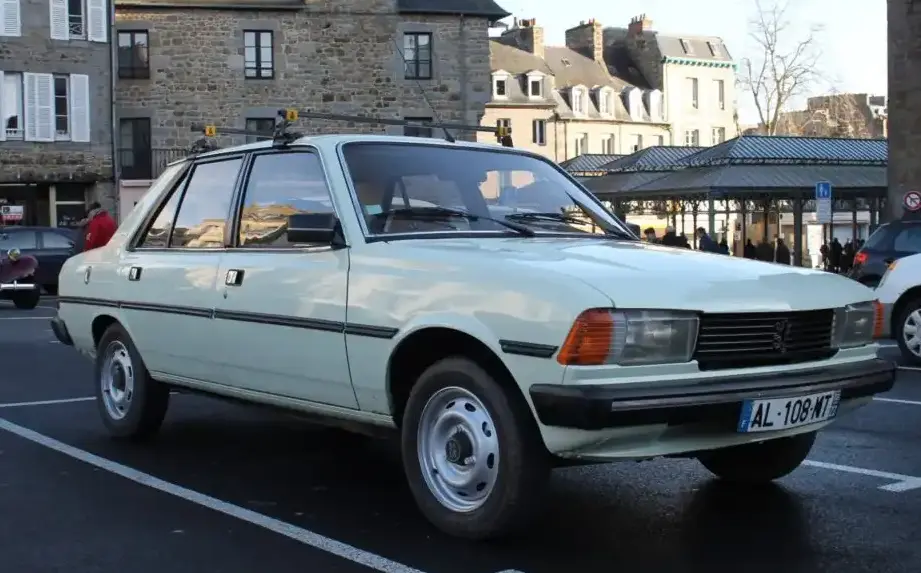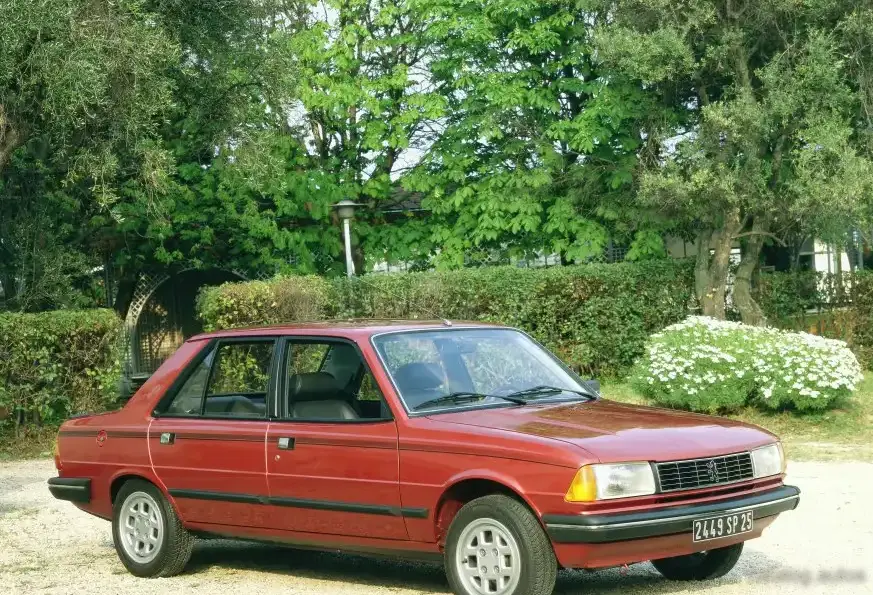
The Peugeot 305 II (581M) 1.3, produced between 1982 and 1985, represented a crucial entry point into the Peugeot lineup during a period of significant modernization for the French automaker. Positioned as the base model within the 305 II range, it offered affordable family transportation, prioritizing fuel economy and practicality over outright performance. This variant played a key role in establishing the 305 as a popular choice in Europe, particularly for buyers seeking a reliable and economical sedan. It was part of the broader 305 series, which aimed to replace the aging 504, offering a more compact and modern alternative. The 305 II, denoted by the 581M chassis code, incorporated refinements over the original 305, including updated styling and improved interior appointments.
Technical Specifications
| Brand | Peugeot |
| Model | 305 |
| Generation | 305 II (581M) |
| Type (Engine) | 1.3 (60 Hp) |
| Start of Production | 1982 |
| End of Production | 1985 |
| Powertrain Architecture | Internal Combustion Engine |
| Body Type | Sedan |
| Fuel Type | Petrol (Gasoline) |
| Power | 60 Hp |
| Engine Model/Code | 118 XL5 |
| Engine Aspiration | Naturally Aspirated |
| Engine Oil Capacity | 4 l (4.23 US qt | 3.52 UK qt) |
| Coolant Capacity | 6 l (6.34 US qt | 5.28 UK qt) |
Powertrain & Engine Architecture
The heart of the 305 II 1.3 was the 118 XL5 engine, a 1.3-liter, naturally aspirated inline-four cylinder petrol engine. This engine, a mainstay of Peugeot’s smaller models during the early 1980s, featured a relatively simple design focused on durability and fuel efficiency. It utilized a single overhead camshaft (SOHC) valvetrain operating two valves per cylinder. Fuel delivery was managed by a single downdraft carburetor, a common setup for vehicles of this era and price point. The carburetor, while less precise than fuel injection, contributed to the engine’s simplicity and ease of maintenance. The engine produced 60 horsepower at approximately 6000 rpm and around 77 lb-ft of torque at 3500 rpm. The engine was paired with a three-speed automatic transmission, a relatively uncommon offering in Europe at the time, often reserved for those prioritizing convenience over driving engagement. This automatic transmission was designed for smooth, if not particularly rapid, gear changes.
Driving Characteristics
The 305 II 1.3 automatic offered a comfortable, albeit unhurried, driving experience. The 60 horsepower output and the three-speed automatic transmission resulted in modest acceleration. Zero to sixty mph times were likely in the 14-16 second range, making it unsuitable for drivers seeking spirited performance. The automatic transmission’s gear ratios were optimized for fuel economy and relaxed cruising rather than quick acceleration. The transmission’s shift points were relatively low, prioritizing smooth operation and minimizing engine strain. Compared to the manual transmission versions of the 305 1.3, the automatic variant sacrificed some responsiveness and fuel efficiency. Higher-spec 305 models, such as those equipped with the 1.6 or 1.8-liter engines, offered significantly more power and a more engaging driving experience. However, the 1.3 automatic excelled in urban environments, providing a comfortable and easy-to-drive package for everyday commuting.
Equipment & Trim Levels
The 305 II 1.3, as the entry-level model, was equipped with a fairly basic level of standard features. Interior upholstery typically consisted of cloth seats, often in a durable, patterned fabric. The dashboard featured a simple layout with basic instrumentation, including a speedometer, fuel gauge, and temperature gauge. A three-spoke steering wheel was standard. Optional extras included a radio, upgraded upholstery, and, in some markets, air conditioning. The trim level was generally consistent across the 1.3 models, with minor variations depending on the specific market. The focus was on providing essential comfort and functionality at an affordable price. The exterior trim was also relatively understated, with black plastic bumpers and simple steel wheels with hubcaps being common features.
Chassis & Braking
The 305 II utilized a conventional front-engine, front-wheel-drive layout. The suspension consisted of independent front suspension with MacPherson struts and a torsion beam rear axle. This setup provided a reasonable balance between ride comfort and handling. The 1.3 models typically featured drum brakes on the rear wheels and disc brakes on the front, a common configuration for vehicles in this class during the early 1980s. Steering was rack and pinion, providing reasonably precise control. Stabilizer bars were often omitted on the base 1.3 models to further reduce cost, resulting in slightly more body roll during cornering compared to higher-spec variants. The chassis was designed to prioritize comfort and durability over sporty handling.
Market Reception & Comparison
The Peugeot 305 II 1.3 automatic received generally positive reviews for its affordability, fuel economy, and comfortable ride. Critics acknowledged its lack of outright performance but praised its practicality and ease of use. Compared to other vehicles in its class, such as the Renault 18 or the Citroën BX, the 305 offered a slightly more refined driving experience and a reputation for reliability. Fuel economy was a key selling point, with the 1.3 engine achieving around 30-35 mpg in real-world driving conditions. The automatic transmission, while not as fuel-efficient as the manual, was appreciated by drivers who preferred the convenience of not having to shift gears. However, some critics noted that the automatic transmission could feel sluggish, particularly when attempting to overtake or climb hills. The 1.3 automatic was primarily targeted at families and drivers who prioritized practicality and affordability over performance.
Legacy
The Peugeot 305 II 1.3, while not a performance icon, holds a significant place in Peugeot’s history as a successful and affordable family car. The 118 XL5 engine proved to be a durable and reliable unit, and many examples are still on the road today. The automatic transmission, while relatively simple, has also proven to be reasonably robust. In the used car market, the 305 II 1.3 is often sought after by enthusiasts and collectors who appreciate its classic styling and simple mechanicals. Parts availability can be a challenge, but many components are still available through specialist suppliers. The 305 II 1.3 represents a snapshot of automotive engineering from the early 1980s, offering a glimpse into a time when affordability, practicality, and durability were paramount considerations for car buyers.