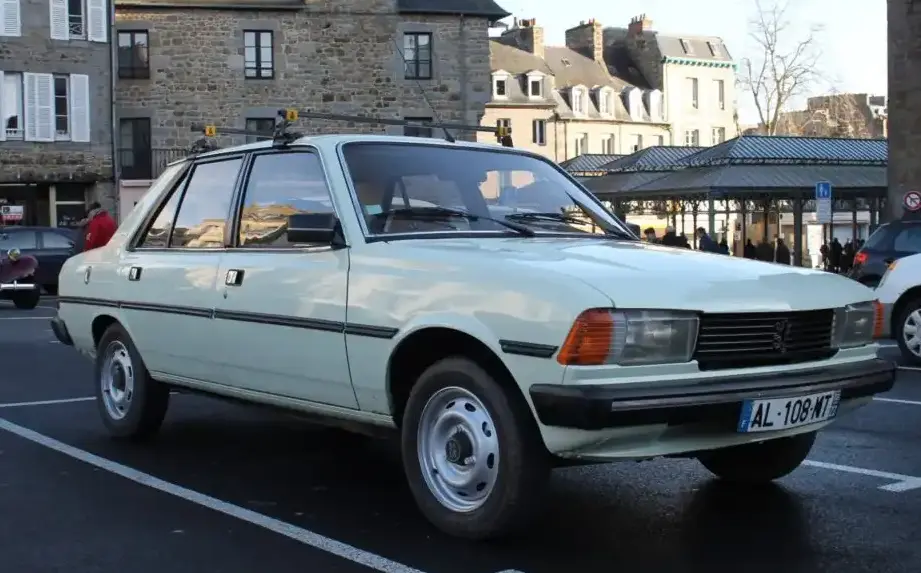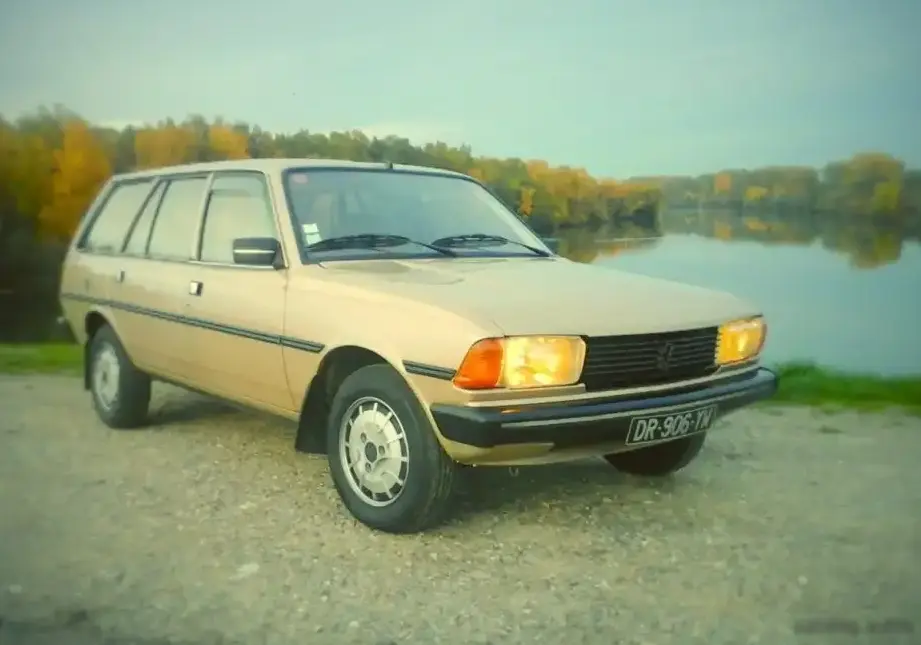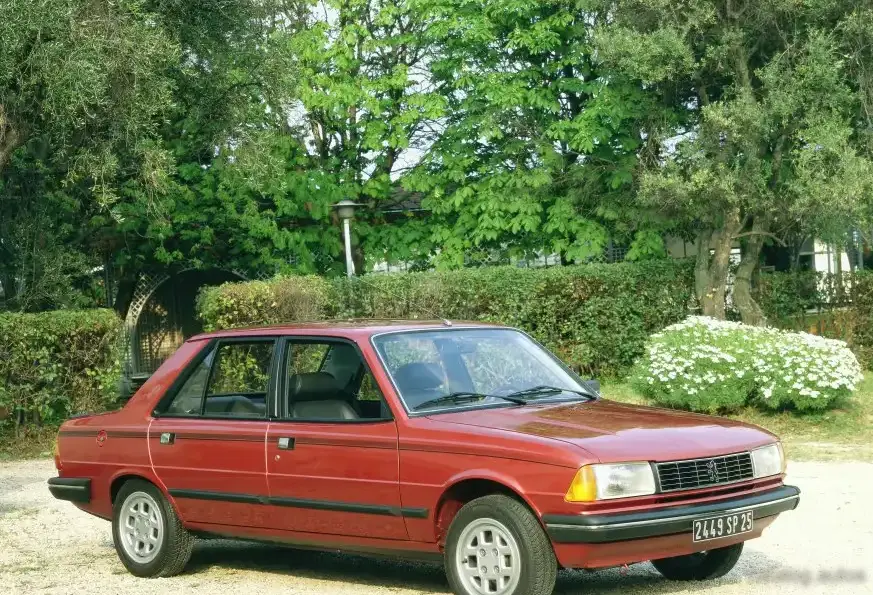
The Peugeot 305 II (581M) 1.5, produced between 1982 and 1985, represented a crucial iteration of Peugeot’s compact family car. Positioned as an entry-level offering within the 305 range, it aimed to provide affordable and reliable transportation during a period of economic uncertainty in Europe. The 305 II, an evolution of the original 305 launched in 1977, benefited from subtle styling updates and mechanical refinements. This 1.5-liter variant, equipped with a naturally aspirated engine and typically paired with a manual transmission (though automatic options existed in some markets), served as the foundation for many buyers entering the Peugeot family. It played a significant role in solidifying Peugeot’s reputation for building durable and practical vehicles.
Technical Specifications
| Brand | Peugeot |
| Model | 305 |
| Generation | 305 II (581M) |
| Type (Engine) | 1.5 (73 Hp) |
| Start of Production | 1982 |
| End of Production | 1985 |
| Powertrain Architecture | Internal Combustion Engine |
| Body Type | Sedan |
| Fuel Type | Petrol (Gasoline) |
| Power | 73 Hp |
| Engine Model/Code | 142 XR5 |
| Engine Aspiration | Naturally Aspirated |
| Engine Oil Capacity | 4 l (4.23 US qt | 3.52 UK qt) |
| Coolant Capacity | 6 l (6.34 US qt | 5.28 UK qt) |
Powertrain & Engine Architecture
The heart of the 305 II 1.5 was the 142 XR5 engine, a 1.5-liter (1469cc) inline-four cylinder petrol engine. This engine was a relatively simple design, reflecting the engineering priorities of the early 1980s. It featured a single overhead camshaft (SOHC) operating two valves per cylinder. Fuel delivery was managed by a Solex carburetor, a common setup for vehicles of this era. The carburetor, while less precise than fuel injection, offered simplicity and relatively low maintenance costs. The engine’s compression ratio was approximately 8.5:1, contributing to its ability to run on lower octane fuels, a consideration important in many European markets. While not a powerhouse, the 142 XR5 was known for its durability and willingness to rev. The engine was typically paired with a four-speed manual transmission, although a three-speed automatic transmission was available as an option, albeit less common. The automatic transmission, while offering convenience, noticeably impacted acceleration and fuel economy.
Driving Characteristics
The 305 II 1.5, particularly in its manual transmission guise, offered a reasonably engaging driving experience for its class. With 73 horsepower and around 86 lb-ft of torque, acceleration was modest, taking approximately 13-14 seconds to reach 60 mph. The four-speed manual transmission provided adequate control, allowing drivers to keep the engine in its optimal power band. The automatic transmission, however, significantly dulled performance, extending the 0-60 mph time to around 16-18 seconds. Gear ratios were geared towards economy rather than outright speed. The steering was light and precise, making the 305 easy to maneuver in urban environments. The suspension, while not particularly sophisticated, provided a comfortable ride, absorbing bumps and imperfections in the road surface reasonably well. Compared to the more powerful 305 GR and GTI models, the 1.5 felt noticeably slower, but it offered a more relaxed and fuel-efficient driving experience.
Equipment & Trim Levels
The 305 II 1.5 typically represented the base trim level. Standard equipment included cloth upholstery, basic instrumentation (speedometer, fuel gauge, temperature gauge), and a simple two-spoke steering wheel. Interior plastics were durable but utilitarian. Optional extras included a radio, heated rear window, and upgraded upholstery. The exterior featured steel wheels with hubcaps, black plastic bumpers, and relatively simple chrome trim. The 305 II 1.5 was designed to be a practical and affordable family car, and its equipment level reflected that. Higher trim levels, such as the GR and GTI, offered more luxurious features, including upgraded interiors, alloy wheels, and more powerful engines.
Chassis & Braking
The 305 II utilized a relatively conventional chassis design. It featured a front independent suspension with MacPherson struts and a rear rigid axle suspension with leaf springs. This setup provided a good balance between ride comfort and handling. Braking was typically accomplished with front disc brakes and rear drum brakes. The braking system was adequate for the car’s weight and performance, but it lacked the stopping power of more modern vehicles. Steering was rack and pinion, providing precise and responsive control. The chassis was relatively lightweight, contributing to the car’s fuel efficiency and maneuverability. Stabilizer bars were typically absent on the base 1.5 model, further emphasizing its focus on affordability.
Market Reception & Comparison
The Peugeot 305 II 1.5 was generally well-received by automotive critics as a practical and reliable family car. It was praised for its fuel efficiency, comfortable ride, and durable engine. However, it was also criticized for its modest performance and relatively basic interior. Compared to its rivals, such as the Renault 18 and Citroën GSA, the 305 II 1.5 offered a competitive package in terms of price and reliability. The 1.9-liter versions of the 305 offered significantly more power, but at a higher cost. The diesel variants provided even better fuel economy, but with reduced performance. The 1.5-liter model appealed to buyers who prioritized affordability and practicality over outright performance.
Legacy
The Peugeot 305 II 1.5, while not a particularly glamorous or high-performance vehicle, played an important role in Peugeot’s history. Its durable engine and robust construction ensured that many examples remained on the road for decades. Today, the 305 II 1.5 is a relatively rare sight, but it is gaining recognition as a classic car. The 142 XR5 engine, while simple, is known for its reliability and ease of maintenance. Parts availability can be a challenge, but many components are still available through specialist suppliers. The 305 II 1.5 represents a bygone era of automotive engineering, when simplicity, durability, and affordability were prioritized over technological sophistication. It remains a testament to Peugeot’s commitment to building practical and reliable vehicles for the masses.