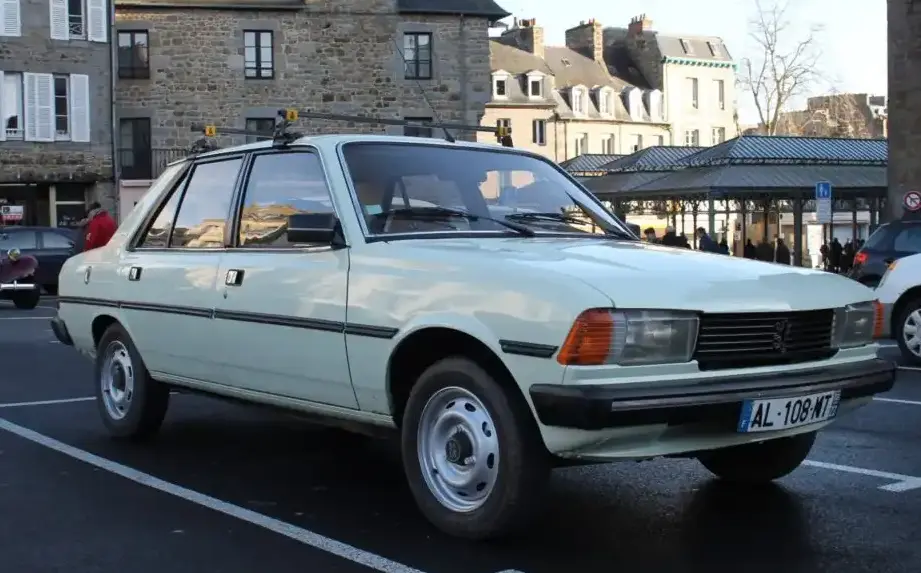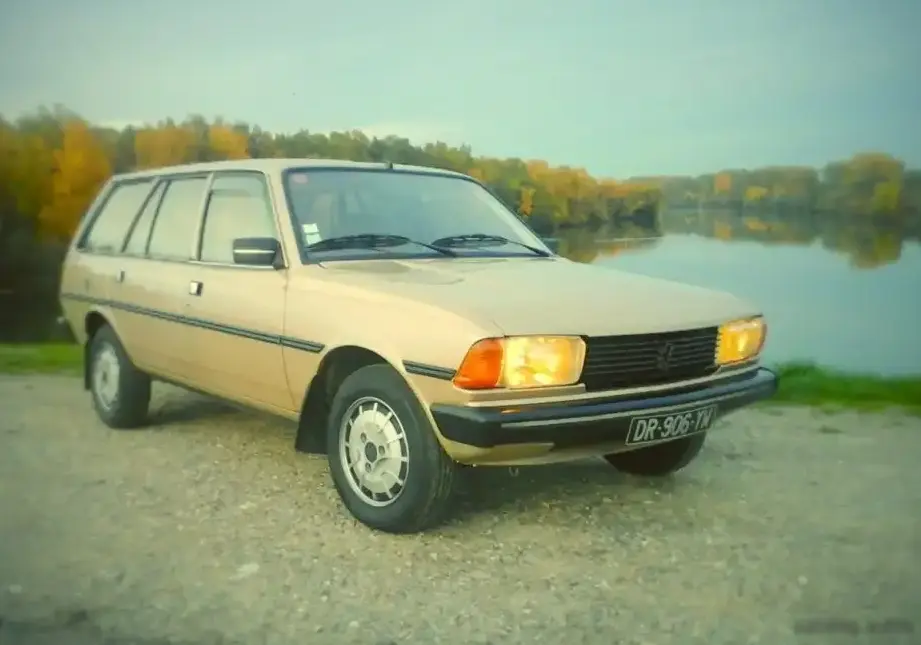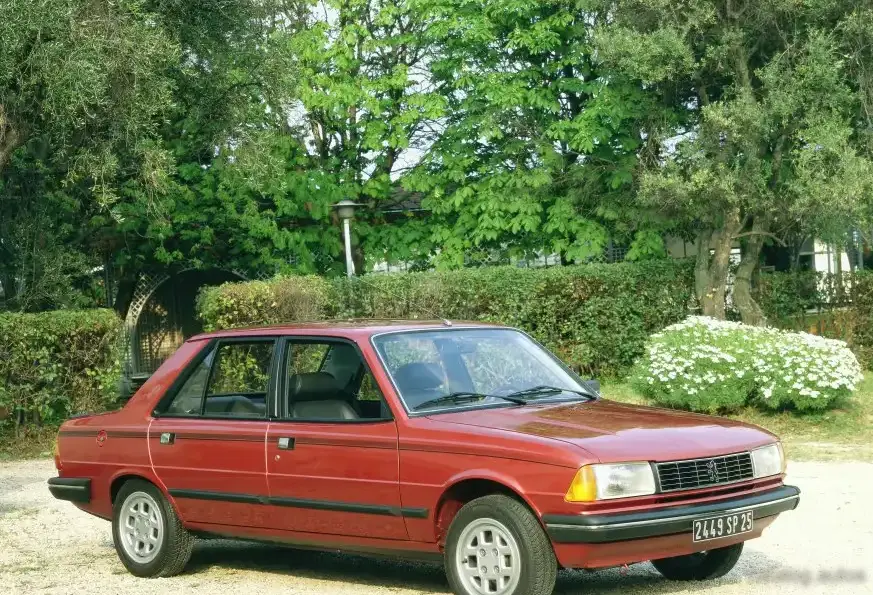
The Peugeot 305 II 1.6, designated internally as the 581M, was a variant of the popular Peugeot 305 produced between 1986 and 1988. Positioned as an entry-level offering within the 305 range, it provided a more affordable and fuel-efficient alternative to the higher-specification models. The 305 itself was a significant vehicle for Peugeot, representing a move towards more modern, front-wheel-drive designs and offering a practical and comfortable family car. The 581M series represented a mid-cycle refresh of the original 305, with subtle styling updates and improvements to interior trim.
Technical Specifications
| Brand | Peugeot |
| Model | 305 |
| Generation | 305 II (581M) |
| Type (Engine) | 1.6 (73 Hp) |
| Start of production | 1986 |
| End of production | 1988 |
| Powertrain Architecture | Internal Combustion Engine |
| Body type | Sedan |
| Fuel Type | Petrol (Gasoline) |
| Power | 73 Hp |
| Engine Model/Code | BAZ XU5CP |
| Engine aspiration | Naturally Aspirated |
| Engine oil capacity | 5 l (5.28 US qt | 4.4 UK qt) |
| Coolant capacity | 6.5 l (6.87 US qt | 5.72 UK qt) |
Powertrain & Engine Architecture
The 305 II 1.6 utilized the BAZ XU5CP engine, a 1.580-liter (96.4 cubic inch) inline-four cylinder petrol engine. This engine was a mainstay in Peugeot’s lineup during the 1980s, known for its relative simplicity and durability. It featured a single overhead camshaft (SOHC) valvetrain operating two valves per cylinder. Fuel delivery was managed by a Solex C32 PHH carburetor, a common setup for European vehicles of this era aiming for cost-effectiveness. The XU5CP engine produced 73 horsepower (54 kW) at 5,800 rpm and 99 lb-ft (134 Nm) of torque at 3,500 rpm. The engine was transversely mounted at the front of the vehicle, driving the front wheels. The transmission paired with this engine was typically a four-speed automatic gearbox, although a five-speed manual was also available in some markets. The automatic transmission, while providing ease of use, was not known for its particularly quick shifts or sporty feel.
Driving Characteristics
The 1.6-liter engine and automatic transmission combination in the 305 II resulted in a driving experience geared towards comfort and economy rather than performance. Acceleration was modest, with a 0-60 mph time estimated to be around 13-14 seconds. The automatic transmission’s gear ratios were optimized for fuel efficiency, meaning the engine often felt strained during overtaking maneuvers or when climbing hills. Compared to the 1.9-liter versions of the 305, the 1.6 offered noticeably less power and responsiveness. The manual transmission variants of the 1.6 provided a more engaging driving experience, allowing the driver to better utilize the available power. However, the automatic version appealed to buyers prioritizing convenience and ease of driving, particularly in urban environments. The suspension, while comfortable, wasn’t particularly sporty, leaning towards a softer ride quality to absorb bumps and imperfections in the road.
Equipment & Trim Levels
The 305 II 1.6 typically represented the base trim level. Standard equipment generally included cloth upholstery, basic instrumentation (speedometer, fuel gauge, temperature gauge), and a four-spoke steering wheel. Power steering was often an optional extra, as were features like central locking and electric windows. The interior was functional and relatively spartan, reflecting the car’s positioning as an affordable family vehicle. The dashboard layout was straightforward, with clearly labeled controls. Optional extras could include a radio/cassette player and upgraded interior trim materials. The exterior trim was also basic, with steel wheels and black plastic bumpers being common features. Higher trim levels of the 305 II offered features like alloy wheels, upgraded upholstery, and more comprehensive instrumentation.
Chassis & Braking
The 305 II utilized a MacPherson strut front suspension and a torsion beam rear suspension. This setup provided a reasonable balance between ride comfort and handling. The front suspension incorporated coil springs and an anti-roll bar, while the rear suspension relied on leaf springs. Braking was typically accomplished with disc brakes on the front wheels and drum brakes on the rear wheels. The braking system was hydraulically assisted, providing adequate stopping power for the vehicle’s weight and performance. Steering was rack and pinion, offering reasonable precision and feedback. The chassis was a monocoque construction, providing a good level of structural rigidity. The relatively lightweight nature of the 1.6-liter engine contributed to a balanced weight distribution, improving handling characteristics.
Market Reception & Comparison
The Peugeot 305 II 1.6 was generally well-received as a practical and affordable family car. Critics praised its fuel efficiency and comfortable ride, but noted its lack of outright performance. Compared to other vehicles in its class, such as the Ford Escort and Vauxhall Astra, the 305 offered a distinctive French design and a reputation for reliability. The 1.6-liter engine was considered adequate for everyday driving, but it lacked the punch of the larger engines available in the 305 range. Fuel economy was a strong point, with the 1.6-liter engine achieving around 30-35 mpg in mixed driving conditions. The automatic transmission, while convenient, did slightly reduce fuel economy compared to the manual version. Maintenance costs were generally reasonable, thanks to the engine’s relatively simple design.
Legacy
The Peugeot 305, and specifically the 1.6 variant, holds a place in automotive history as a significant step forward for Peugeot in terms of design and engineering. The XU5CP engine proved to be a durable and reliable unit, and many examples are still on the road today. In the used car market, the 305 II 1.6 is often sought after by enthusiasts looking for a classic French car that is relatively easy to maintain. While not a particularly collectible model, it represents an affordable entry point into the world of classic Peugeots. The automatic transmission, while not the most desirable configuration for performance enthusiasts, remains a popular choice for drivers seeking a comfortable and convenient driving experience. The 305 paved the way for future Peugeot models, establishing a reputation for practicality, comfort, and distinctive styling.