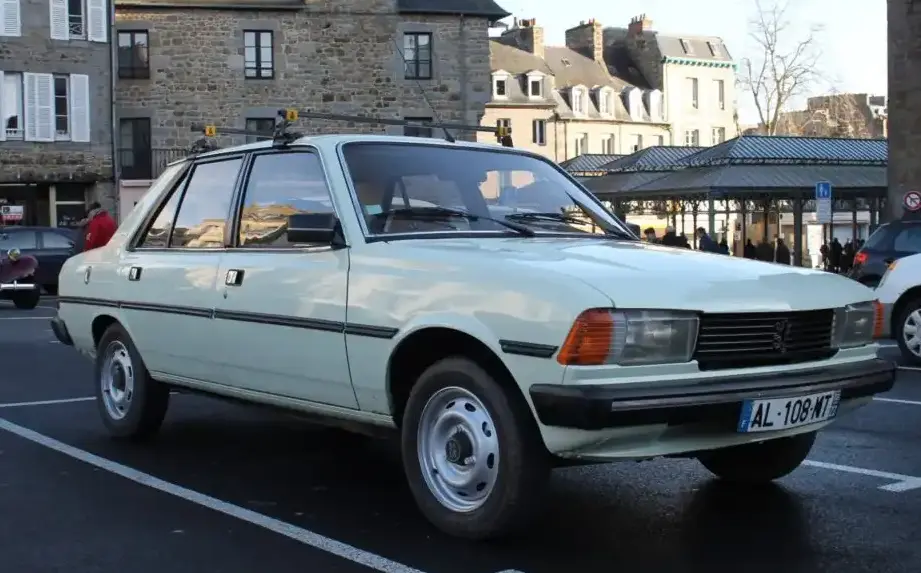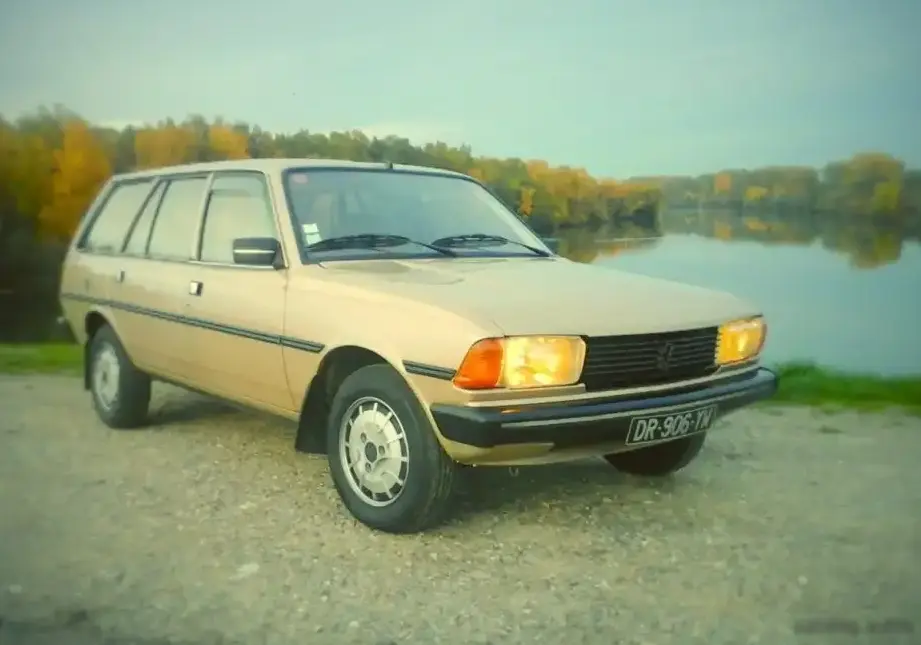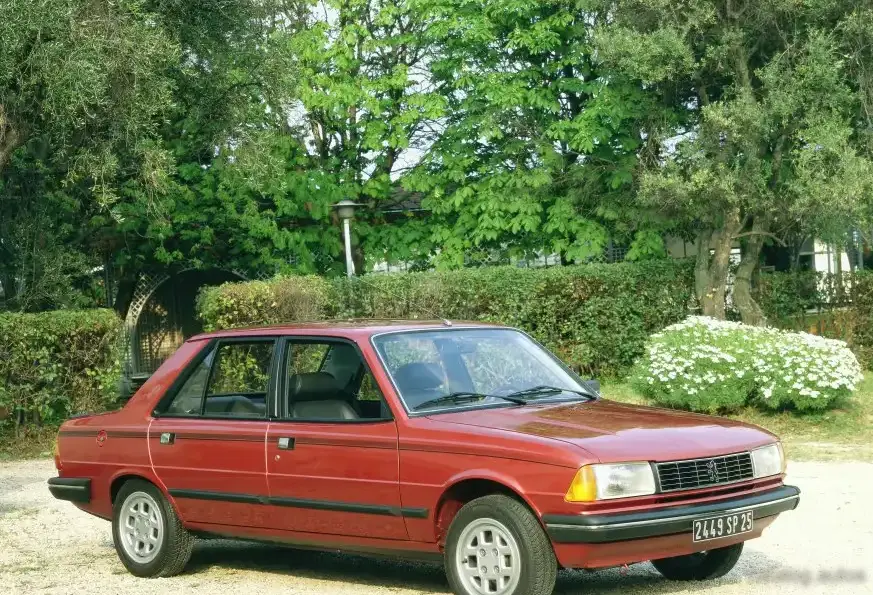
The Peugeot 305 II (581M) 1.6, produced between 1982 and 1988, represented a significant step forward for Peugeot in the compact family car segment. Positioned as a successor to the 304, the 305 aimed to offer a more modern and refined driving experience. The 1.6-liter, 75 horsepower variant, powered by the B1A (XU51C) engine, served as a core model within the 305 II range, offering a balance of affordability and practicality for European buyers. It was a key component in Peugeot’s strategy to compete with rivals like the Renault 9 and Citroën BX, offering a comfortable and relatively economical option in a crowded marketplace. This model was primarily sold in Europe, with limited export to other markets.
Technical Specifications
| Brand | Peugeot |
| Model | 305 |
| Generation | 305 II (581M) |
| Type (Engine) | 1.6 (75 Hp) |
| Start of Production | 1982 |
| End of Production | 1988 |
| Powertrain Architecture | Internal Combustion Engine |
| Body Type | Sedan |
| Fuel Type | Petrol (Gasoline) |
| Power | 75 Hp |
| Engine Model/Code | B1A XU51C |
| Engine Aspiration | Naturally Aspirated |
| Engine Oil Capacity | 5 l (5.28 US qt | 4.4 UK qt) |
| Coolant Capacity | 6.5 l (6.87 US qt | 5.72 UK qt) |
Powertrain & Engine Architecture
The heart of the 305 II 1.6 was the B1A (XU51C) engine, a 1.580-liter (96.2 cubic inches) inline-four cylinder petrol engine. This engine was part of Peugeot’s XU series, known for its robustness and relatively simple design. The XU51C featured a cast iron block and an aluminum cylinder head, a common configuration for the era. It employed a single overhead camshaft (SOHC) valvetrain operating two valves per cylinder. Fuel delivery was managed by a Solex C32 PHH carburetor, a technology prevalent in the early 1980s. While not as precise as fuel injection, the carburetor provided adequate fuel atomization for the engine’s modest power output. The engine produced 75 horsepower (56 kW) at 6000 rpm and 118 Nm (87 lb-ft) of torque at 3500 rpm. The engine was typically paired with a three-speed automatic transmission, although a five-speed manual transmission was also available. The automatic transmission, while offering convenience, was known for its relatively slow shift times and tendency to hunt for gears, particularly under load.
Driving Characteristics
The 305 II 1.6 with the automatic transmission offered a comfortable, if not particularly exciting, driving experience. Acceleration was modest, with a 0-60 mph time estimated around 13-14 seconds. The three-speed automatic transmission meant that the engine often operated at higher revs, contributing to a noticeable engine note during acceleration. The gear ratios were optimized for fuel economy rather than performance. Compared to the manual transmission version, the automatic suffered a slight performance penalty due to the transmission’s inherent inefficiencies. The suspension, consisting of independent front suspension with MacPherson struts and a torsion beam rear axle, provided a reasonably comfortable ride, absorbing bumps and imperfections in the road surface effectively. However, the car wasn’t particularly sporty in handling, exhibiting noticeable body roll during cornering. Steering was rack and pinion, providing adequate precision, but lacked the feedback found in more modern systems.
Equipment & Trim Levels
The 305 II 1.6 typically came equipped with a fairly basic level of standard features. Interior upholstery was generally cloth, with options for upgraded materials available. The dashboard featured a simple, functional layout with analog gauges for speed, fuel level, coolant temperature, and a clock. Power steering was often an optional extra, as were features like central locking and electric windows. The 305 II 1.6 was often positioned as the entry-level model in the range, making it an attractive option for budget-conscious buyers. Higher trim levels, such as the GR and SR, offered additional features like upgraded interior trim, alloy wheels, and a sunroof. The 1.6 automatic was often seen as a comfortable, practical choice for those prioritizing ease of use over outright performance.
Chassis & Braking
The 305 II utilized a monocoque chassis construction, providing a good balance of strength and weight. The front suspension employed MacPherson struts with an anti-roll bar, while the rear suspension utilized a torsion beam axle. Braking was typically accomplished with disc brakes on the front wheels and drum brakes on the rear wheels. The braking system was hydraulic, with no anti-lock braking system (ABS) available on this model. The relatively light weight of the 305 II, around 2300-2400 lbs (1043-1089 kg), helped to compensate for the less powerful engine and drum brakes, providing adequate stopping power for everyday driving conditions. Stabilizer bars were fitted to improve handling and reduce body roll, though their effectiveness was limited by the overall suspension design.
Market Reception & Comparison
The Peugeot 305 II 1.6 automatic received generally positive reviews for its comfort, practicality, and fuel economy. Critics praised its spacious interior and comfortable ride. However, the automatic transmission was often criticized for its sluggish performance and tendency to hunt for gears. Compared to the 1.6 manual version, the automatic offered less engaging driving experience. The 1.6 engine was considered adequate for everyday driving, but lacked the punch of the larger 1.8 and 2.0-liter engines available in the 305 range. Fuel economy was a strong point, with the 1.6 automatic achieving around 28-32 mpg (US) in mixed driving conditions. Compared to rivals like the Renault 9 and Citroën BX, the 305 II 1.6 offered a competitive package, though it lacked the more advanced features found in some of its competitors.
Legacy
The Peugeot 305 II, including the 1.6 automatic variant, proved to be a reliable and durable car. The XU51C engine is known for its longevity, and many examples are still on the road today. While not particularly collectible, well-maintained 305 IIs are appreciated by classic car enthusiasts for their simplicity and charm. The automatic transmission, while not the most sophisticated, is generally reliable if properly maintained. The 305 II paved the way for Peugeot’s continued success in the compact family car segment, and its influence can be seen in subsequent models like the 309 and 405. In the used car market, the 305 II 1.6 automatic represents an affordable and practical classic, offering a glimpse into 1980s French automotive engineering.