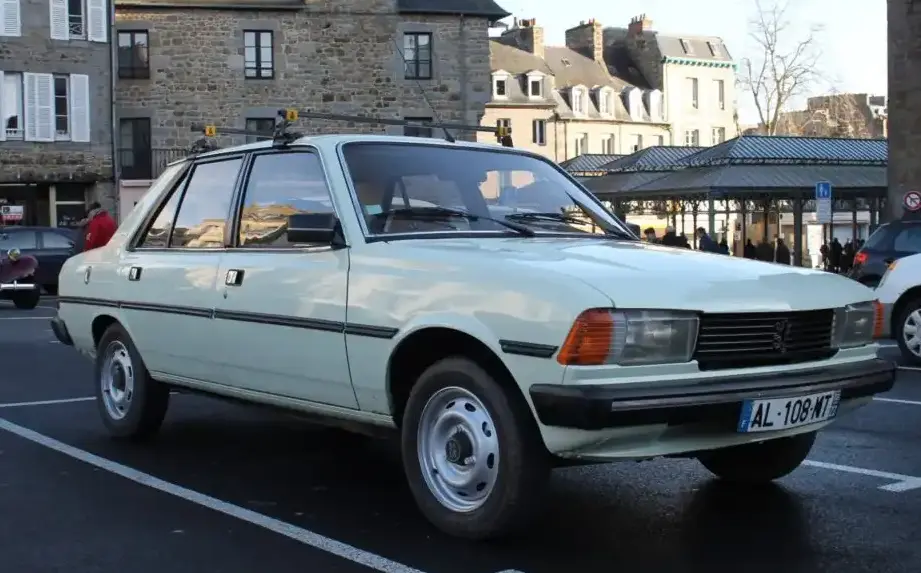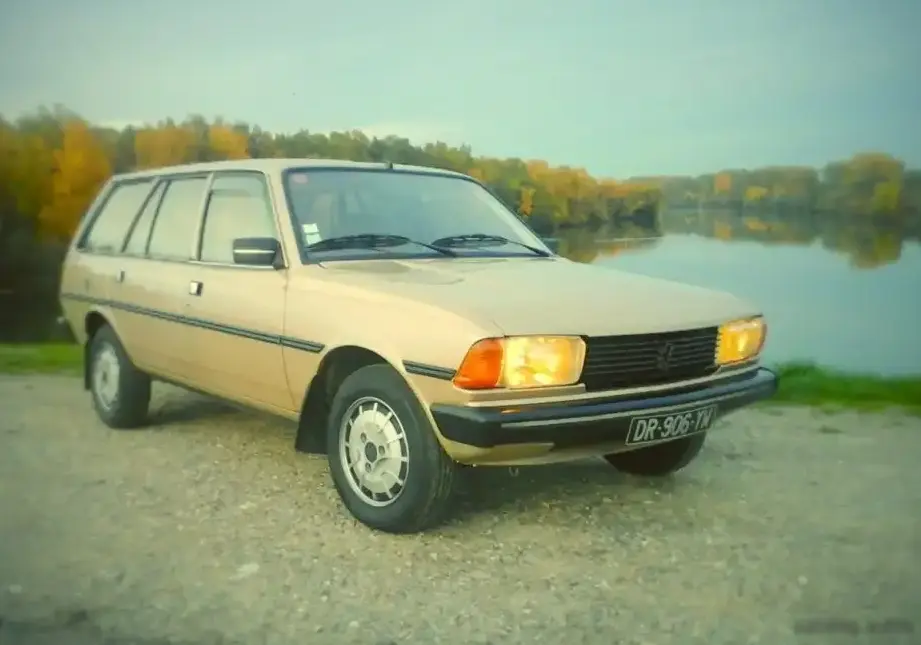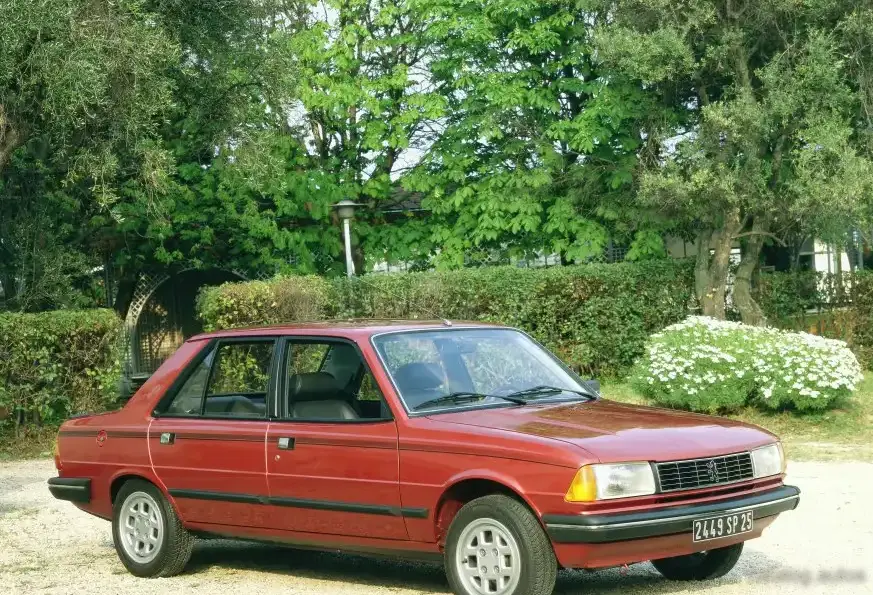
The Peugeot 305 II (581M) 1.6, produced between 1982 and 1988, represented a significant step forward for Peugeot in the compact family car segment. Positioned as a mid-range offering within the 305 lineup, it bridged the gap between the more economical 1.3-liter versions and the higher-performance 1.6 and 2.0-liter models. The 305 II, an evolution of the original 305 launched in 1977, aimed to provide a blend of practicality, comfort, and reasonable performance for the European family car market. It was a key competitor to vehicles like the Renault 18, Citroën BX, and Ford Escort, offering a distinctly French approach to design and engineering. This variant, with its 94 horsepower 1.6-liter engine and typically paired with either a manual or automatic transmission, was a popular choice for buyers seeking a balance between affordability and drivability.
Technical Specifications
| Brand | Peugeot |
| Model | 305 |
| Generation | 305 II (581M) |
| Type (Engine) | 1.6 (94 Hp) |
| Start of Production | 1982 |
| End of Production | 1988 |
| Powertrain Architecture | Internal Combustion Engine |
| Body Type | Sedan |
| Fuel Type | Petrol (Gasoline) |
| Power | 94 Hp |
| Engine Model/Code | 171 XU5S |
| Engine Aspiration | Naturally Aspirated |
| Engine Oil Capacity | 5 l (5.28 US qt | 4.4 UK qt) |
| Coolant Capacity | 6.5 l (6.87 US qt | 5.72 UK qt) |
Powertrain & Engine Architecture
The heart of the 305 II 1.6 was the XU5S engine, a robust and relatively simple overhead camshaft (OHC) design. The 171 XU5S code designates a 1580cc, four-cylinder engine. It featured a cast iron block and an aluminum cylinder head, a common configuration for Peugeot engines of the era. Fuel delivery was managed by a Solex carburetor, a technology prevalent in the early 1980s, though later versions saw the introduction of Bosch fuel injection systems. The engine produced 94 horsepower at 6000 rpm and approximately 108 lb-ft of torque at 3500 rpm. The XU5S engine was known for its durability and relatively easy maintenance.
The automatic transmission offered with this variant was typically a three-speed unit, designed to provide smooth, if not particularly sporty, gear changes. While the manual transmission offered a more engaging driving experience and slightly better fuel economy, the automatic was favored by drivers prioritizing convenience, especially in urban environments. The automatic transmission’s gear ratios were optimized for comfortable cruising and reasonable acceleration, but it wasn’t designed for rapid shifts or aggressive driving. The automatic version generally saw a slight reduction in overall performance compared to the manual due to the parasitic losses inherent in the torque converter.
Driving Characteristics
The 305 II 1.6 automatic offered a comfortable and predictable driving experience. Acceleration was adequate for everyday driving, with a 0-60 mph time estimated around 12-13 seconds. The three-speed automatic transmission, while smooth, lacked the responsiveness of more modern gearboxes. The engine provided sufficient torque for maintaining highway speeds, but overtaking maneuvers required careful planning. The suspension, featuring independent front suspension with MacPherson struts and a torsion beam rear axle, provided a compliant ride, absorbing bumps and imperfections in the road surface effectively. Steering was light and precise, making it easy to maneuver in tight spaces. Compared to the more powerful 2.0-liter versions, the 1.6 automatic felt noticeably less energetic, but it offered a more relaxed and fuel-efficient driving experience. The manual transmission version of the 1.6 offered a more engaging drive, with quicker acceleration and better control, but at the expense of some comfort.
Equipment & Trim Levels
The 305 II 1.6 typically came equipped with a reasonable level of standard features for its time. These included cloth upholstery, a basic instrument cluster, and manual windows and door locks. Higher trim levels, often denoted by suffixes like “GR” (Grand Réserve) or “SR” (Sport), added features such as upgraded upholstery, a more comprehensive instrument panel, and optional extras like a sunroof, air conditioning, and a radio/cassette player. The interior design was functional and straightforward, reflecting the car’s focus on practicality. The dashboard layout was logically organized, with easy-to-read gauges and conveniently placed controls. The seats were generally comfortable, providing adequate support for long journeys.
Chassis & Braking
The 305 II utilized a monocoque chassis construction, providing a good balance of strength and rigidity. The front suspension featured MacPherson struts, coil springs, and an anti-roll bar, while the rear suspension employed a torsion beam axle. Braking was typically accomplished with disc brakes on the front wheels and drum brakes on the rear wheels. The braking system was adequate for normal driving conditions, but it lacked the stopping power of more modern systems. Steering was rack and pinion, providing precise and responsive handling. The overall chassis setup was geared towards comfort and stability, rather than outright performance.
Market Reception & Comparison
The Peugeot 305 II 1.6 automatic was generally well-received by automotive critics as a practical and comfortable family car. It was praised for its ride quality, fuel efficiency, and durable engine. However, some critics noted that the automatic transmission felt somewhat dated and lacked the responsiveness of more modern units. Compared to the 1.3-liter versions, the 1.6 offered a noticeable improvement in performance, making it a more suitable choice for drivers who frequently traveled on highways or carried passengers. Compared to the 2.0-liter models, the 1.6 was more affordable and fuel-efficient, but it lacked the same level of performance. Fuel economy for the 1.6 automatic was typically in the range of 25-30 mpg, depending on driving conditions.
Legacy
The Peugeot 305 II, and specifically the 1.6 variant, holds a respectable position among classic French cars. The XU5S engine is known for its longevity and relative simplicity, making it a favorite among enthusiasts. Parts availability can be a challenge, but many components are still obtainable through specialist suppliers. Today, well-maintained examples of the 305 II 1.6 are sought after by collectors and enthusiasts who appreciate its classic styling, comfortable ride, and durable mechanicals. While not a high-performance machine, the 305 II 1.6 represents a significant chapter in Peugeot’s history, showcasing the company’s commitment to building practical, reliable, and comfortable family cars. The automatic transmission, while not the most technologically advanced, proved to be reasonably durable and continues to function reliably in many surviving vehicles.