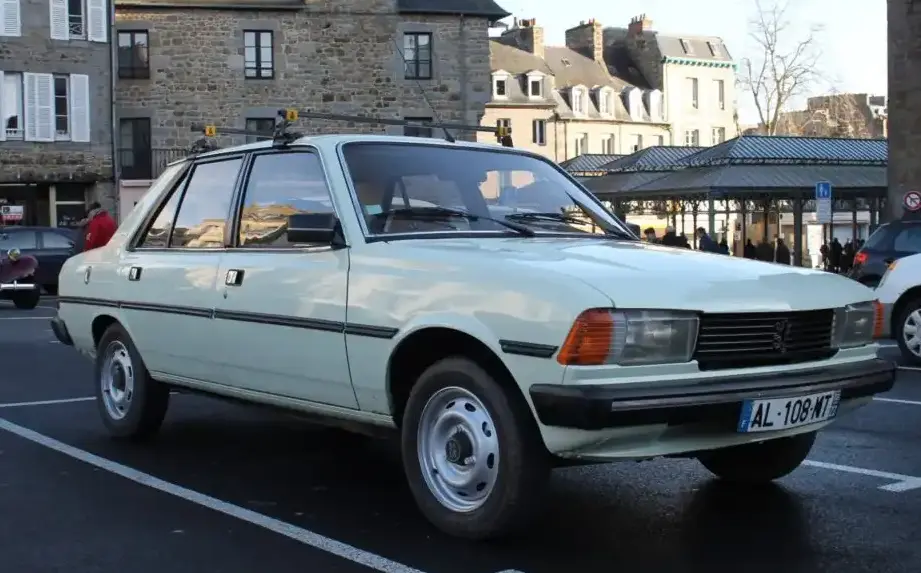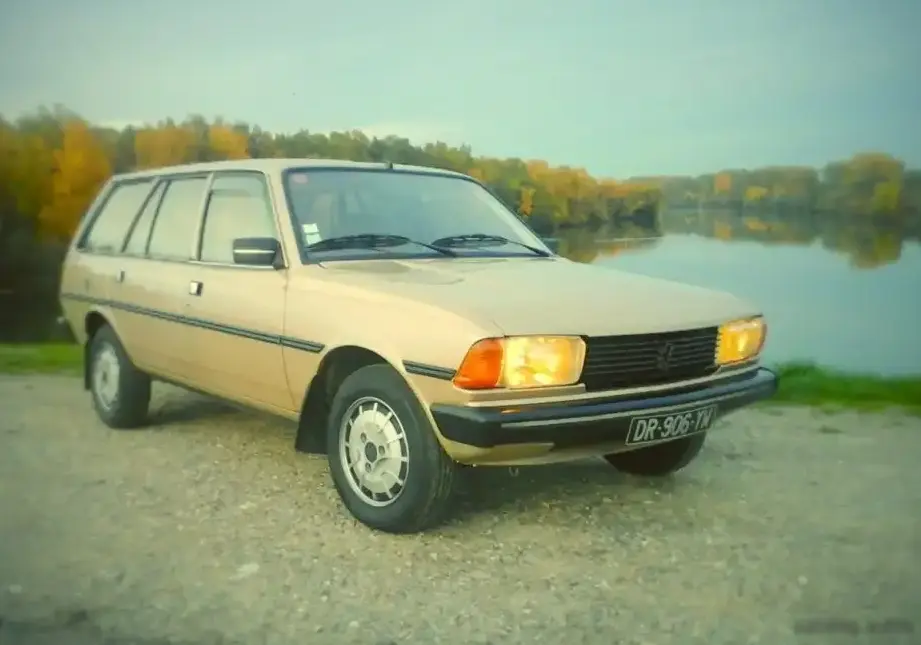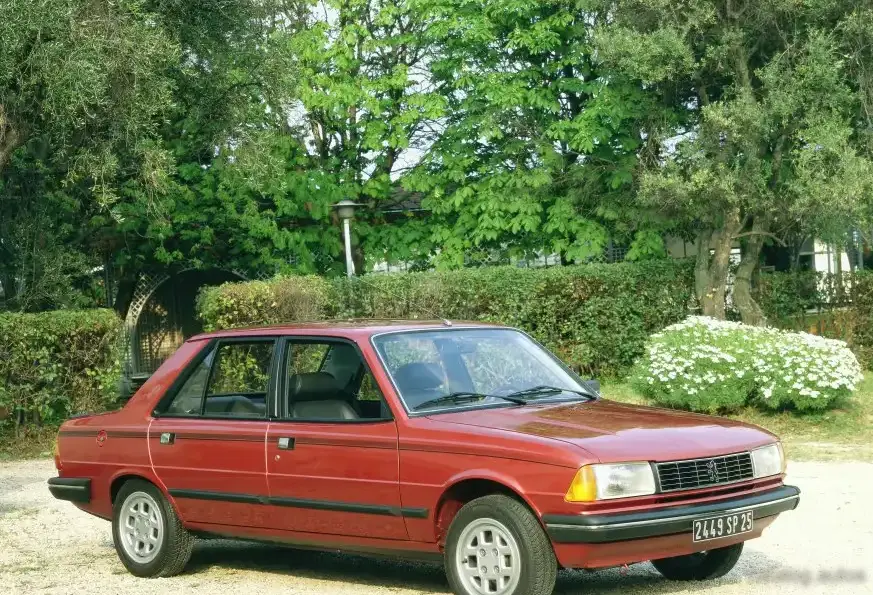
The Peugeot 305 II 1.6, produced between 1982 and 1984 (chassis code 581M), represented a significant step forward for Peugeot in the compact family car segment. Positioned as a mid-range offering within the 305 lineup, it bridged the gap between the more economical 1.3-liter models and the higher-performance 1.6 and 2.0-liter variants. The 305, as a whole, was Peugeot’s replacement for the aging 304, aiming to offer a more modern and spacious package while retaining the brand’s reputation for reliability and comfortable ride quality. The 305 II, introduced as a facelift, brought subtle styling updates and refinements to the original 305, solidifying its position in the European market against competitors like the Renault 9, Citroën GSA, and Volkswagen Jetta.
Technical Specifications
| Brand | Peugeot |
| Model | 305 |
| Generation | 305 II (581M) |
| Type (Engine) | 1.6 (97 Hp) |
| Start of production | 1982 |
| End of production | 1984 |
| Powertrain Architecture | Internal Combustion engine |
| Body type | Sedan |
| Fuel Type | Petrol (Gasoline) |
| Power | 97 Hp |
| Engine Model/Code | 171 XU5S |
| Engine aspiration | Naturally aspirated engine |
| Engine oil capacity | 5 l (5.28 US qt | 4.4 UK qt) |
| Coolant capacity | 6.5 l (6.87 US qt | 5.72 UK qt) |
Powertrain & Engine Architecture
The heart of the 305 II 1.6 was the XU5S engine, specifically the 171 variant. This 1580cc, inline-four cylinder engine was a cornerstone of Peugeot’s engine family during the 1980s, known for its durability and relatively simple design. It featured a cast iron block and an aluminum cylinder head, utilizing a single overhead camshaft (SOHC) operating two valves per cylinder. Fuel delivery was managed by a Bosch mechanical fuel injection system, a significant upgrade over the carburetors found in earlier 305 models and some of the lower-spec variants. This injection system contributed to improved fuel efficiency and smoother power delivery. The XU5S engine was known for its robust construction and ability to withstand high mileage. The 305 II 1.6 was typically paired with either a four-speed manual transmission or a three-speed automatic transmission. The automatic, while offering convenience, was often criticized for slightly diminishing the engine’s performance.
Driving Characteristics
The 1.6-liter engine in the 305 II provided a reasonable balance between performance and economy. With 97 horsepower, the sedan could achieve a top speed of around 95 mph (153 km/h) and accelerate from 0 to 60 mph (0 to 97 km/h) in approximately 11-12 seconds. The automatic transmission, while smooth, resulted in noticeable power loss compared to the manual version. Gear ratios were optimized for comfortable cruising rather than outright acceleration. The 305 II 1.6 offered a comfortable ride, typical of Peugeot vehicles of the era, thanks to its independent front suspension and a torsion beam rear axle. Steering was precise, though not particularly quick, and the car felt stable and predictable in most driving situations. Compared to the 1.3-liter models, the 1.6 offered a significant improvement in responsiveness, making it more suitable for highway driving and carrying a full load of passengers. However, the higher-output 2.0-liter versions provided a noticeably more spirited driving experience.
Equipment & Trim Levels
The 305 II 1.6 typically came equipped with a reasonable level of standard features for its time. Interior upholstery was generally cloth, with options for upgraded velour or leather available at extra cost. The dashboard featured a straightforward layout with analog gauges for speed, fuel level, coolant temperature, and a clock. Power steering was often included, though not always standard, and air conditioning was available as an optional extra. Other optional features included a sunroof, upgraded audio systems, and tinted glass. Trim levels varied slightly depending on the market, but generally, the 1.6 model offered a step up in terms of interior appointments and exterior detailing compared to the base 1.3-liter versions. The 1.6 often featured more chrome trim, upgraded door panels, and a more comprehensive instrument cluster.
Chassis & Braking
The 305 II utilized a relatively conventional chassis design for a front-wheel-drive sedan. It featured independent front suspension with MacPherson struts and a torsion beam rear axle. This setup provided a good balance between ride comfort and handling. Braking was typically accomplished with disc brakes on the front wheels and drum brakes on the rear. The braking system was adequate for the car’s weight and performance, but lacked the stopping power of more modern systems. Stabilizer bars were fitted to both the front and rear axles to reduce body roll during cornering. The 305 II’s suspension was tuned for comfort, prioritizing a smooth ride over sporty handling. The car’s relatively light weight helped to offset the limitations of the suspension and braking systems.
Market Reception & Comparison
The Peugeot 305 II 1.6 was generally well-received by automotive critics. It was praised for its comfortable ride, spacious interior, and reliable engine. However, the automatic transmission was often criticized for its sluggish performance. Compared to the 1.3-liter models, the 1.6 offered a significant improvement in performance and refinement, making it a more appealing option for drivers who frequently traveled on highways or carried passengers. Fuel economy was respectable for the time, averaging around 30-35 mpg (7.8-8.4 l/100km) in mixed driving conditions. Compared to the higher-output 2.0-liter versions, the 1.6 offered a more affordable price point and slightly better fuel economy, but at the expense of performance. The 305 II 1.6 competed directly with other European compact sedans, such as the Renault 9, Citroën GSA, and Volkswagen Jetta.
Legacy
The Peugeot 305 II 1.6, and the XU5S engine in particular, has proven to be remarkably durable over the long term. Many examples are still on the road today, a testament to the quality of engineering and construction. The XU5S engine is known for its ability to withstand high mileage with proper maintenance. However, like any older vehicle, the 305 II 1.6 is susceptible to age-related issues, such as rust, worn suspension components, and electrical problems. In the used car market, the 305 II 1.6 is often sought after by enthusiasts and collectors who appreciate its classic styling and reliable mechanicals. It represents a significant piece of Peugeot’s history and a reminder of a time when cars were built to last. Finding parts can sometimes be a challenge, but a dedicated network of suppliers and enthusiasts helps to keep these cars on the road.