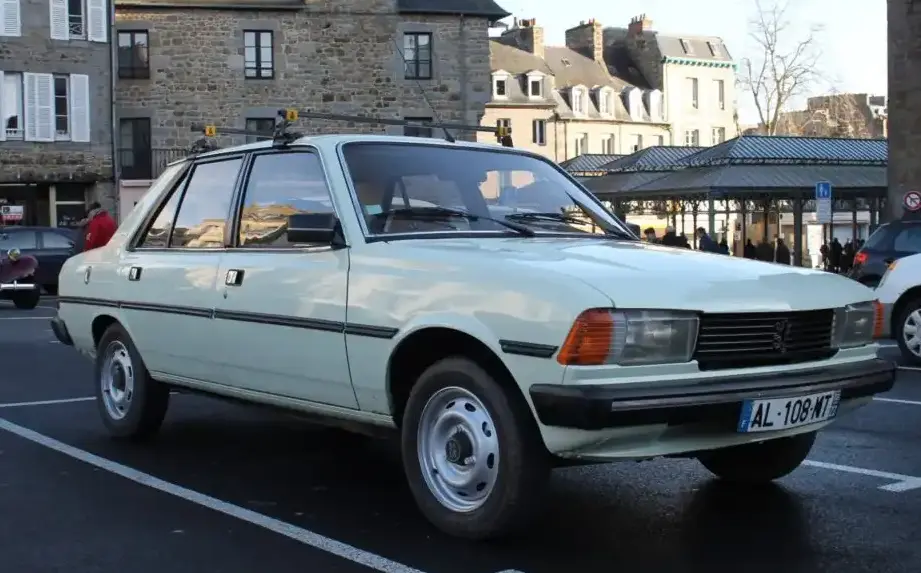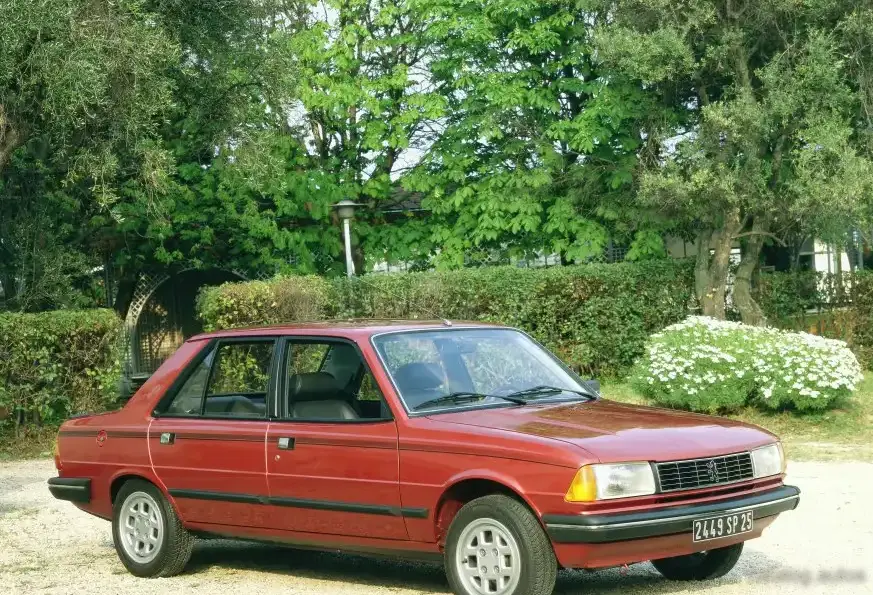
The Peugeot 305 II (581M) 1.9 Diesel, produced between 1982 and 1988, represented a significant offering in Peugeot’s lineup during a period of evolving automotive tastes. Positioned as an economical and practical choice, this variant of the 305 aimed to provide reliable transportation for families and commuters. It was part of the second generation of the 305, designated 581M, which brought refinements to the original 305 design launched in 1977. The 1.9 Diesel model, with its modest 65 horsepower, served as the entry point into the 305 range, prioritizing fuel efficiency over outright performance. It was a key component in Peugeot’s strategy to offer a diverse range of vehicles catering to different needs and budgets within the European market.
Technical Specifications
| Brand | Peugeot |
| Model | 305 |
| Generation | 305 II (581M) |
| Type (Engine) | 1.9 Diesel (65 Hp) |
| Start of production | 1982 |
| End of production | 1988 |
| Powertrain Architecture | Internal Combustion engine |
| Body type | Sedan |
| Fuel Type | Diesel |
| Power | 65 Hp |
| Engine Model/Code | 162 XUD9 |
| Engine aspiration | Naturally aspirated engine |
| Engine oil capacity | 5 l (5.28 US qt | 4.4 UK qt) |
| Coolant capacity | 9.5 l (10.04 US qt | 8.36 UK qt) |
Powertrain & Engine Architecture
The heart of the 305 II 1.9 Diesel was the XUD9 engine, specifically the 162 variant. This 1.9-liter, naturally aspirated diesel engine was a mainstay of Peugeot and Citroën vehicles throughout the 1980s and early 1990s, renowned for its durability and fuel economy. The XUD9 featured indirect injection, utilizing a Bosch rotary injection pump. This system, while not as refined as later direct injection diesels, provided reliable operation and acceptable performance for the intended application. The engine employed a cast iron block and cylinder head, contributing to its longevity. The valvetrain consisted of a single overhead camshaft operating two valves per cylinder.
The 305 1.9 Diesel was exclusively offered with a four-speed manual transmission. An automatic transmission was not available for this engine configuration. The transmission was a conventional setup, designed to maximize fuel efficiency and provide smooth, if not particularly sporty, gear changes. The gear ratios were relatively tall, prioritizing economy over acceleration. The transmission’s simplicity also contributed to its reliability and ease of maintenance.
Driving Characteristics
The driving experience in the 305 II 1.9 Diesel was characterized by its practicality and economy. With only 65 horsepower on tap, acceleration was modest, and overtaking required careful planning. The engine produced a respectable amount of torque for its displacement, peaking around 86 lb-ft, which made it reasonably capable of handling everyday driving situations and carrying a full load of passengers and luggage. The four-speed manual transmission, while not offering the versatility of a five-speed, was well-matched to the engine’s characteristics.
Compared to the gasoline-powered 305 variants, the 1.9 Diesel offered significantly better fuel economy, a major selling point in the early 1980s when fuel prices were rising. However, it lacked the responsiveness and refinement of its petrol counterparts. The diesel engine was also noticeably noisier and produced more vibrations than the gasoline engines. Compared to later diesel iterations, the XUD9 was known for its ‘agricultural’ feel, but its simplicity meant it was relatively easy to work on for mechanics.
Equipment & Trim Levels
The 305 II 1.9 Diesel typically represented the base trim level within the 305 range. Standard equipment generally included cloth upholstery, basic instrumentation (speedometer, fuel gauge, temperature gauge), and a simple two-spoke steering wheel. Power steering and central locking were not typically standard features on this model, although they could be specified as optional extras. The interior was functional and durable, prioritizing practicality over luxury.
Optional extras included a sunroof, upgraded audio systems, and more comfortable seating. The exterior trim was relatively basic, with black plastic bumpers and simple steel wheels with hubcaps. Higher trim levels of the 305, such as the GR and SR models, offered more luxurious interiors, alloy wheels, and additional features, but these were typically paired with the more powerful gasoline engines.
Chassis & Braking
The 305 II utilized a conventional chassis layout, with independent front suspension and a torsion beam rear axle. The front suspension featured MacPherson struts, while the rear suspension provided a comfortable, if not particularly sporty, ride. The steering was a recirculating ball system, offering reasonable precision but lacking the feel of more modern steering technologies.
Braking on the 305 II 1.9 Diesel typically consisted of disc brakes on the front wheels and drum brakes on the rear wheels. The braking system was adequate for the vehicle’s weight and performance, but it lacked the stopping power of more modern braking systems. Anti-lock brakes (ABS) were not available on this model. Stabilizer bars were fitted to both the front and rear axles to reduce body roll during cornering.
Market Reception & Comparison
The Peugeot 305 II 1.9 Diesel was generally well-received in the European market as a practical and economical family car. Critics praised its fuel efficiency and durability, but noted its lack of performance and refinement compared to its gasoline-powered counterparts. It was particularly popular with fleet operators and drivers who prioritized economy over driving pleasure.
Compared to other diesel-powered cars of the era, such as the Volkswagen Golf Diesel, the 305 1.9 Diesel offered a similar level of fuel economy and reliability. However, the Golf was often considered to be more refined and better handling. Within the 305 lineup, the 1.9 Diesel was positioned as the entry-level model, appealing to budget-conscious buyers. The gasoline-powered 1.6 and 2.0-liter engines offered more performance but at the cost of increased fuel consumption.
Legacy
The Peugeot 305 II 1.9 Diesel, and the XUD9 engine in particular, has earned a reputation for exceptional reliability and longevity. Many examples of this vehicle are still on the road today, testament to the robust engineering of the engine and chassis. The XUD9 engine became a favorite among enthusiasts for its simplicity and ease of maintenance.
In the used car market, the 305 1.9 Diesel remains an affordable and practical option for those seeking a classic European car. However, finding well-maintained examples can be challenging, as many vehicles have suffered from neglect or have been driven extensively. Parts availability is generally good, although some trim-specific components may be difficult to source. The 305 II 1.9 Diesel represents a significant chapter in Peugeot’s history, embodying the company’s commitment to providing reliable and economical transportation to a wide range of customers.