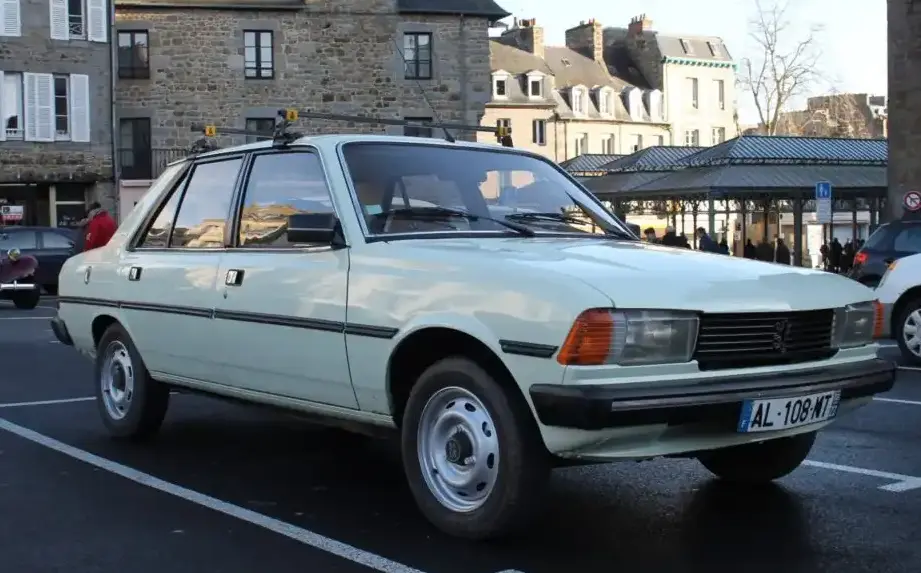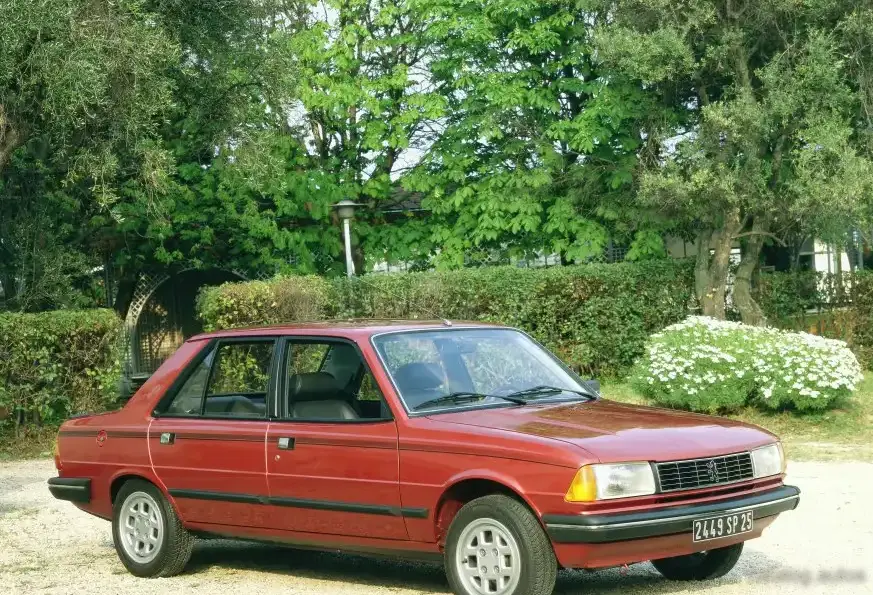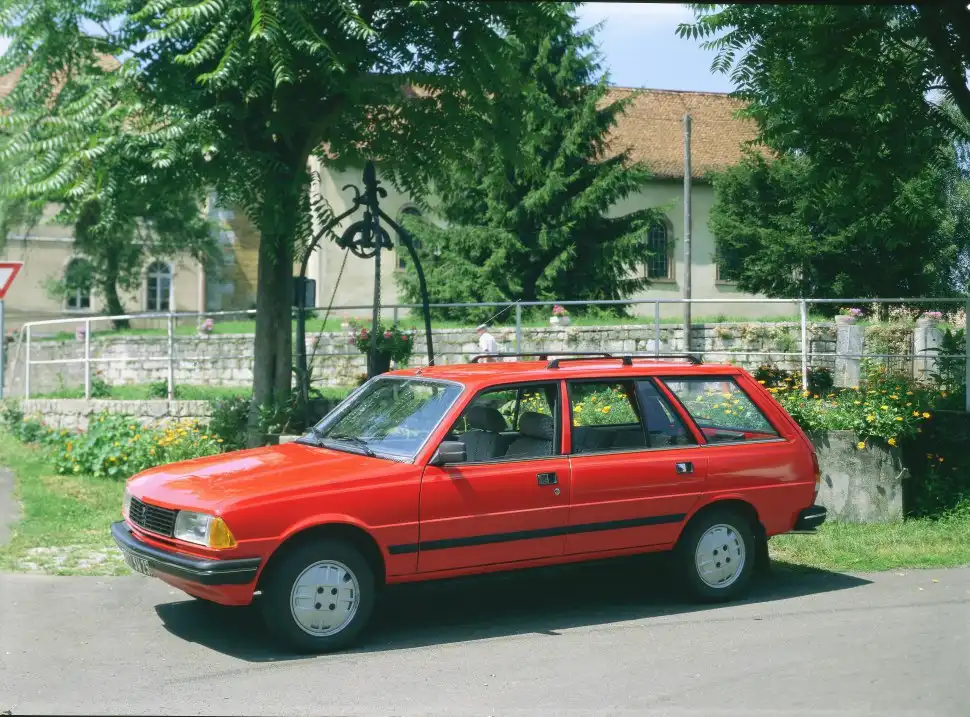
The Peugeot 305 II Break (581E) 1.5, produced between 1985 and 1986, represents a practical and economical variant within the broader Peugeot 305 range. As a station wagon (estate) version of the 305, it catered to buyers needing increased cargo capacity and versatility. This particular 1.5-liter, 68 horsepower model occupied the entry-level position in the Break lineup, offering a more affordable option compared to the higher-specification engine choices available. The 305 series, launched in 1977, was Peugeot’s response to the increasing popularity of front-wheel-drive family cars, aiming to replace the aging 304 and compete with models like the Renault 18 and Citroën BX.
Technical Specifications
| Brand | Peugeot |
| Model | 305 |
| Generation | 305 II Break (581E) |
| Type (Engine) | 1.5 (68 Hp) |
| Start of production | 1985 |
| End of production | 1986 |
| Powertrain Architecture | Internal Combustion engine |
| Body type | Station wagon (estate) |
| Fuel Type | Petrol (Gasoline) |
| Power | 68 Hp |
| Engine Model/Code | 142 XR5A |
| Engine aspiration | Naturally aspirated engine |
| Engine oil capacity | 4 l (4.23 US qt | 3.52 UK qt) |
| Coolant capacity | 6 l (6.34 US qt | 5.28 UK qt) |
Powertrain & Engine Architecture
The 305 II Break 1.5 utilized the Peugeot 142 XR5A engine, a 1.5-liter (1477 cc) inline-four cylinder petrol engine. This engine was a relatively simple design, featuring a single overhead camshaft (SOHC) operating two valves per cylinder. Fuel delivery was managed by a Solex carburetor, a common setup for vehicles of this era aiming for affordability and ease of maintenance. The engine’s modest 68 horsepower output at 5,300 rpm and 98 lb-ft of torque at 3,000 rpm were typical for a family car of this displacement in the mid-1980s. The engine block was cast iron, contributing to its durability, while the cylinder head was aluminum. The 305 Break 1.5 was exclusively offered with a four-speed manual transmission, reflecting its positioning as the entry-level model. There was no automatic transmission option for this specific configuration.
Driving Characteristics
The driving experience in the 305 II Break 1.5 was characterized by its practicality and fuel efficiency rather than outright performance. With 68 horsepower propelling a station wagon body, acceleration was modest. The four-speed manual transmission required frequent shifting to maintain momentum, particularly when loaded with passengers or cargo. The gear ratios were geared towards economy, with a relatively tall final drive. The engine was reasonably responsive at lower RPMs, making it suitable for everyday driving conditions. However, overtaking maneuvers required careful planning. Compared to the 1.6-liter and 1.8-liter versions of the 305, the 1.5 offered less power and a slightly less refined driving experience. The 1.6, for example, provided a noticeable increase in torque, making it more comfortable for highway driving and carrying heavier loads. The 305’s independent front suspension and torsion beam rear suspension provided a reasonably comfortable ride, absorbing bumps and imperfections in the road surface effectively.
Equipment & Trim Levels
The 305 II Break 1.5 was positioned as the base model, and as such, its standard equipment list was relatively basic. It typically included cloth upholstery, vinyl floor covering, and a simple dashboard layout. Features like a radio, power windows, and central locking were either optional extras or unavailable on this trim level. The interior was functional and durable, prioritizing practicality over luxury. Exterior features included steel wheels with hubcaps, black plastic bumpers, and relatively simple lighting. Optional extras included a sunroof, upgraded upholstery, and a more sophisticated radio system. The overall aesthetic was understated and functional, reflecting the car’s intended purpose as a practical family vehicle.
Chassis & Braking
The 305 II Break featured a monocoque body construction, providing a good balance of strength and weight. The front suspension utilized independent MacPherson struts, while the rear suspension employed a torsion beam axle. This setup provided a comfortable ride and predictable handling. Braking was accomplished via disc brakes on the front wheels and drum brakes on the rear wheels. The braking system was adequate for the car’s weight and performance, but it lacked the stopping power of more modern braking systems. Steering was rack and pinion, providing precise and responsive control. The 305’s chassis was designed to prioritize comfort and practicality, rather than sporty handling. Stabilizer bars were typically fitted to the front axle to reduce body roll during cornering.
Market Reception & Comparison
The Peugeot 305 II Break 1.5 was generally well-received as an affordable and practical family car. Critics praised its fuel efficiency, comfortable ride, and spacious interior. However, its modest performance and basic equipment levels were also noted. Compared to other station wagons in its class, such as the Renault 18 Break and Citroën BX Estate, the 305 offered a competitive combination of price, practicality, and reliability. The 1.5-liter engine was considered adequate for most everyday driving needs, but it lacked the refinement and power of the larger engine options. Fuel economy was a key selling point, with the 1.5-liter engine achieving around 30-35 mpg in typical driving conditions. Reliability was generally good, although the carburetor required periodic maintenance and adjustment.
Legacy
The Peugeot 305 II Break 1.5, while not a particularly high-performance or luxurious vehicle, holds a significant place in Peugeot’s history as a successful and popular family car. The 142 XR5A engine, while simple, proved to be relatively durable and reliable. Today, the 305 Break 1.5 is becoming increasingly sought after by classic car enthusiasts, particularly those looking for a practical and affordable vintage vehicle. Parts availability can be a challenge, but many components are still available through specialist suppliers. The car’s simple mechanical design makes it relatively easy to maintain and repair for those with some mechanical aptitude. The 305 Break 1.5 represents a bygone era of automotive engineering, characterized by its practicality, durability, and understated style. Its enduring appeal lies in its ability to provide a comfortable and reliable driving experience, even by modern standards.