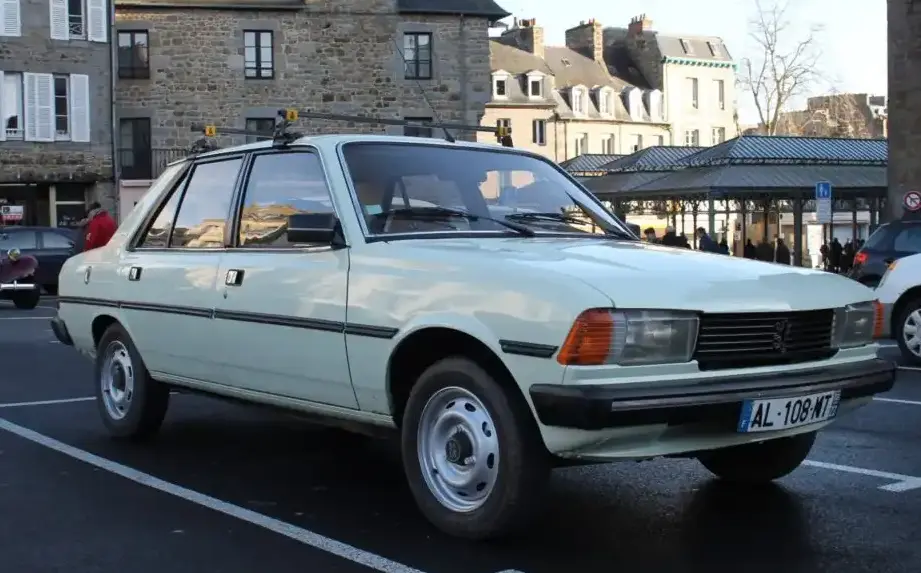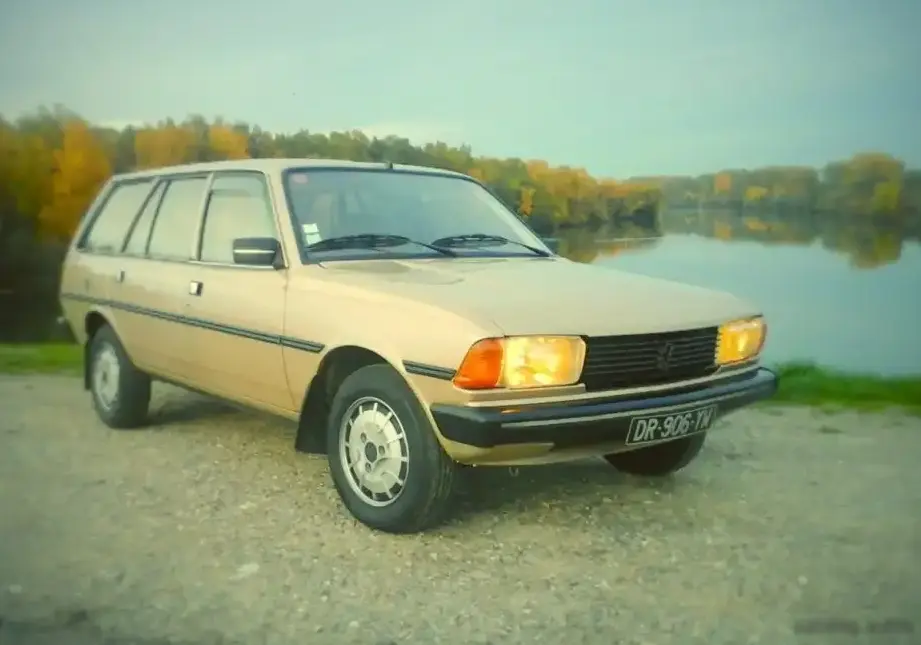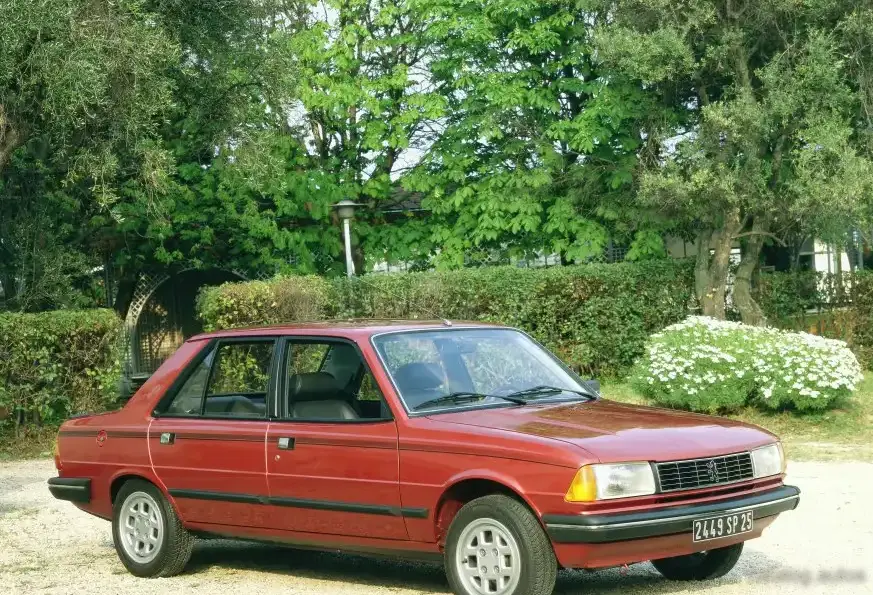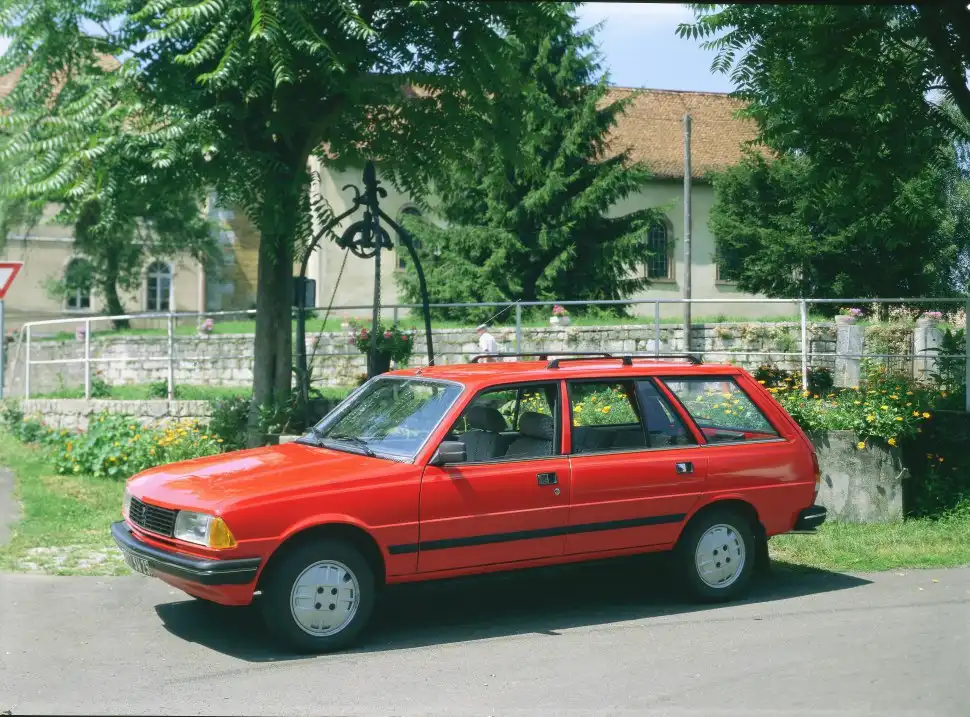
The Peugeot 305 II Break (581E) 1.6, produced between 1986 and 1988, represents a practical and economical variant within the broader Peugeot 305 range. As the second generation of the 305, the Break (estate/station wagon) body style offered increased cargo capacity and versatility, appealing to families and those requiring a larger vehicle. This 1.6-liter, 75 horsepower model occupied a mid-range position in the 305 Break lineup, offering a balance between affordability and usability. It served as a key offering in European markets where station wagons were, and continue to be, highly popular.
Technical Specifications
| Brand | Peugeot |
| Model | 305 |
| Generation | 305 II Break (581E) |
| Type (Engine) | 1.6 (75 Hp) |
| Start of production | 1986 |
| End of production | 1988 |
| Powertrain Architecture | Internal Combustion engine |
| Body type | Station wagon (estate) |
| Fuel Type | Petrol (Gasoline) |
| Power | 75 Hp |
| Engine Model/Code | B1A XU51C |
| Engine aspiration | Naturally aspirated engine |
| Engine oil capacity | 5 l (5.28 US qt | 4.4 UK qt) |
| Coolant capacity | 6.5 l (6.87 US qt | 5.72 UK qt) |
Powertrain & Engine Architecture
The 305 II Break 1.6 utilized the B1A XU51C engine, a 1.580-liter (96.3 cubic inches) inline-four cylinder petrol engine. This engine was a mainstay in Peugeot’s lineup during the 1980s, known for its relative simplicity and durability. The XU51C featured a single overhead camshaft (SOHC) valvetrain operating two valves per cylinder. Fuel delivery was managed by a Solex C32 PHH carburetor, a common setup for European vehicles of this era. While not offering the performance of fuel injection, the carburetor provided adequate fuel atomization for the engine’s modest power output. The engine’s block was cast iron, contributing to its robustness, while the cylinder head was aluminum. The 75 horsepower output was achieved at 6000 rpm, with peak torque of approximately 118 Nm (87 lb-ft) at 3500 rpm. The engine was mated to a three-speed automatic transmission, a relatively basic unit designed for smooth, if not particularly rapid, gear changes. This transmission was chosen to provide ease of use, particularly for drivers unfamiliar with manual gearboxes.
Driving Characteristics
The 1.6-liter engine and three-speed automatic transmission combination in the 305 II Break resulted in a driving experience focused on practicality rather than performance. Acceleration was modest, with a 0-60 mph time estimated to be around 14-16 seconds. The automatic transmission’s gear ratios were geared towards fuel economy and relaxed cruising. The first gear was relatively short, providing adequate launch capability, but the subsequent gears were spaced to prioritize efficiency at highway speeds. Compared to the manual transmission versions of the 305 1.6, the automatic suffered a noticeable performance penalty due to the transmission’s inherent power losses. Higher-output versions of the 305, such as those equipped with the 1.9-liter engine, offered significantly more spirited performance. However, the 1.6 automatic provided a comfortable and undemanding driving experience, particularly in urban environments. The suspension, typical of Peugeot’s designs, offered a good balance between ride comfort and handling, although the added weight of the automatic transmission and estate body did impact agility.
Equipment & Trim Levels
The 305 II Break 1.6 typically came equipped with a reasonable level of standard features for its time and price point. Interior upholstery was generally cloth, with options for upgraded materials available. The dashboard layout was functional and straightforward, featuring analog gauges for speed, fuel level, coolant temperature, and battery voltage. Power steering was often included, making maneuvering easier, particularly at low speeds. Other standard features included a basic radio, heated rear window, and intermittent windshield wipers. Optional extras included a sunroof, upgraded audio systems, and more luxurious interior trim options. The trim level of the 1.6 Break often sat between the base models and the more luxurious versions equipped with larger engines and more extensive features. The focus was on providing a well-equipped and practical vehicle without the added cost of premium features.
Chassis & Braking
The 305 II Break utilized a front-engine, front-wheel-drive layout. The suspension consisted of independent front suspension with MacPherson struts and a torsion beam rear axle. This configuration provided a comfortable ride and predictable handling. Braking was typically accomplished with disc brakes on the front wheels and drum brakes on the rear wheels. The braking system was hydraulically assisted, providing adequate stopping power for the vehicle’s weight and performance. Stabilizer bars were fitted to both the front and rear axles to reduce body roll during cornering. The chassis was designed to accommodate the larger dimensions and increased weight of the Break body style, providing a stable and secure platform.
Market Reception & Comparison
The Peugeot 305 II Break 1.6 was generally well-received in European markets as a practical and affordable family vehicle. Critics praised its spacious interior, comfortable ride, and fuel efficiency. However, the 1.6-liter engine and automatic transmission combination were often criticized for their lack of performance. Compared to the manual transmission versions, the automatic offered less engaging driving experience. The 1.9-liter engine provided a noticeable performance upgrade, but at a higher price point. In terms of fuel economy, the 1.6 automatic was reasonably efficient for its time, achieving around 28-32 mpg on average. Reliability was generally good, with the XU51C engine proving to be a durable and long-lasting unit. However, the automatic transmission could be prone to wear and tear if not properly maintained.
Legacy
The Peugeot 305 II Break 1.6, while not a performance icon, remains a fondly remembered vehicle for many European drivers. The XU51C engine, in its various iterations, powered a wide range of Peugeot and Citroën models throughout the 1980s and 1990s, establishing a reputation for reliability and longevity. Today, the 305 Break 1.6 is a relatively rare sight on the roads, but well-maintained examples are sought after by classic car enthusiasts. The automatic transmission, while not the most desirable configuration, offers a unique driving experience and adds to the vehicle’s charm. The 305 Break 1.6 represents a practical and affordable option for those seeking a classic French estate car.