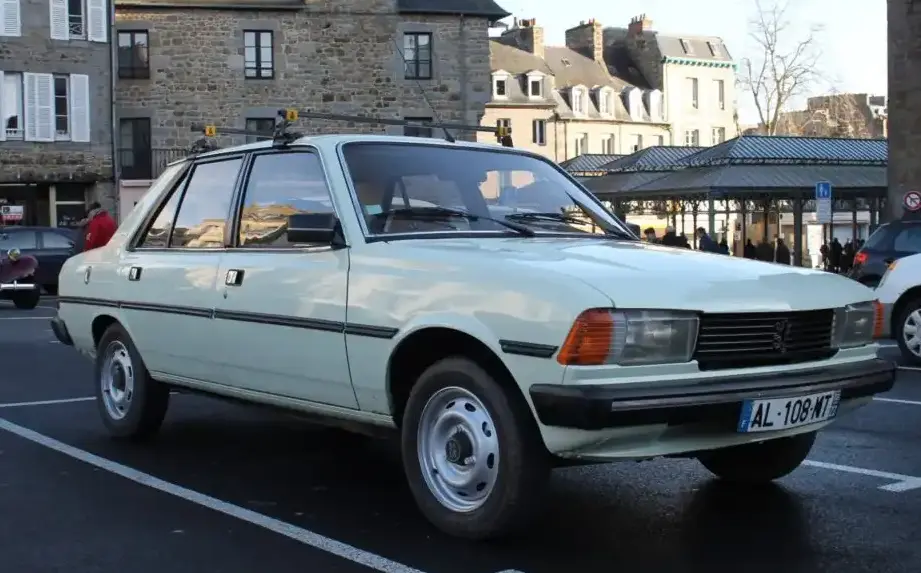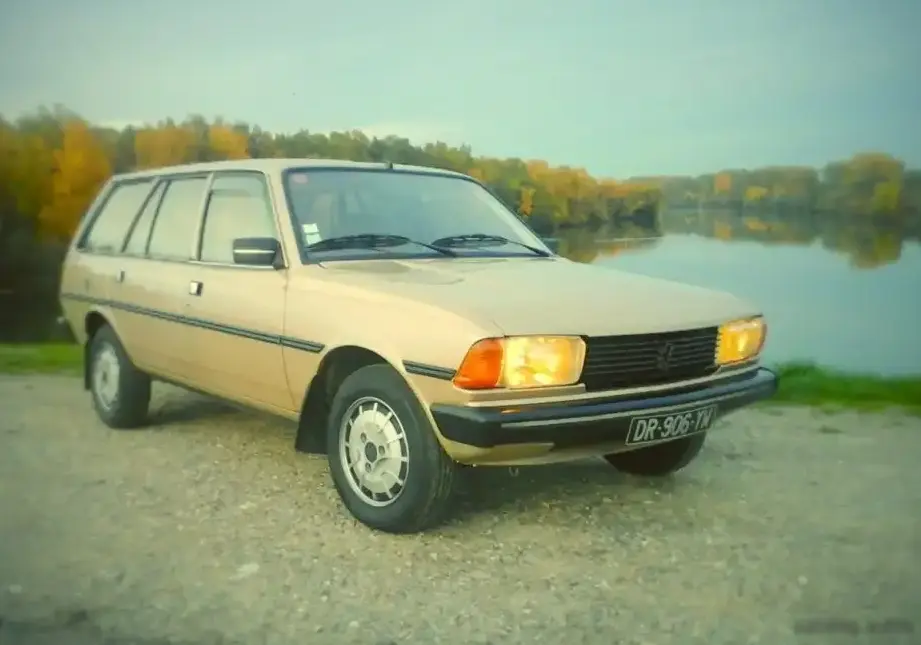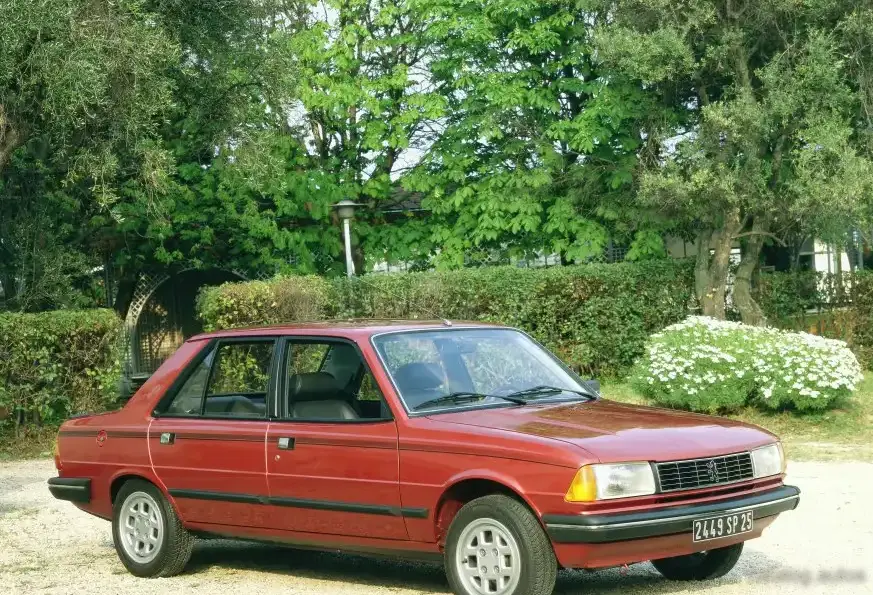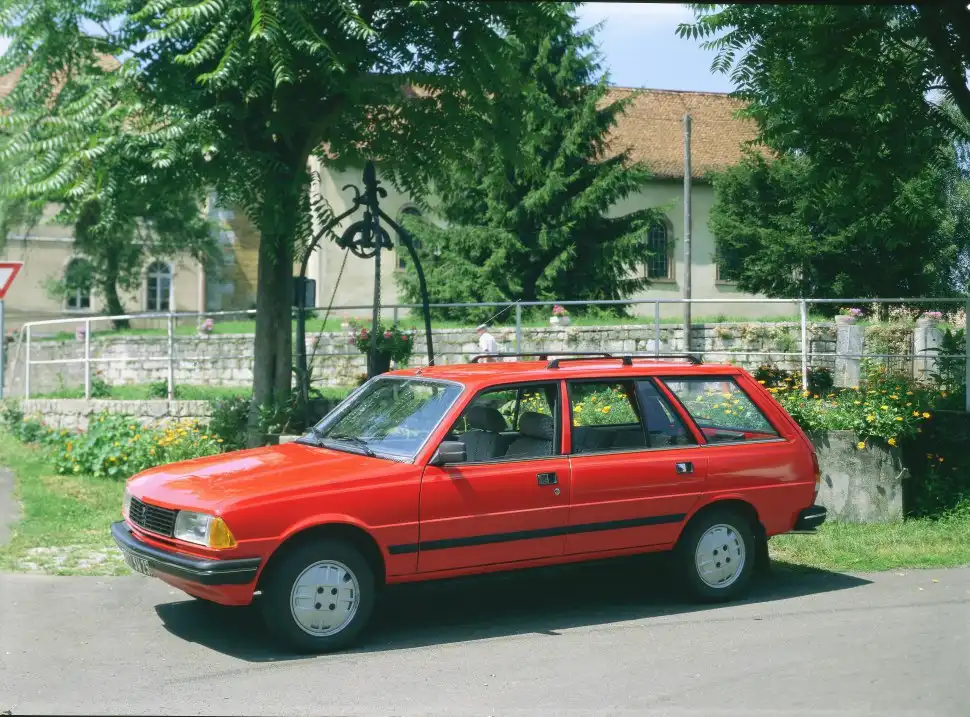
The Peugeot 305 II Break (581E) 1.6, produced between 1984 and 1987, represents a significant iteration of Peugeot’s compact family car, the 305. This particular variant, a station wagon (estate) powered by the 171 XU5S 1.6-liter engine producing 90 horsepower, occupied a middle ground within the 305 Break lineup, offering a balance between practicality, fuel economy, and affordability. It was part of the second series of the 305, denoted by the 581E chassis code, which brought refinements to the original 305 design launched in 1977. The 305, in general, was Peugeot’s answer to competitors like the Renault 18 Break and the Citroën BX, aiming to provide a comfortable and reliable family vehicle.
Technical Specifications
| Brand | Peugeot |
| Model | 305 |
| Generation | 305 II Break (581E) |
| Type (Engine) | 1.6 (90 Hp) |
| Start of production | 1984 |
| End of production | 1987 |
| Powertrain Architecture | Internal Combustion engine |
| Body type | Station wagon (estate) |
| Fuel Type | Petrol (Gasoline) |
| Power | 90 Hp |
| Engine Model/Code | 171 XU5S |
| Engine aspiration | Naturally aspirated engine |
| Engine oil capacity | 5 l (5.28 US qt | 4.4 UK qt) |
| Coolant capacity | 6.5 l (6.87 US qt | 5.72 UK qt) |
Powertrain & Engine Architecture
The heart of the 305 II Break 1.6 is the 171 XU5S engine, a 1.580-liter (96.2 cubic inches) inline-four cylinder gasoline engine. This engine is a naturally aspirated unit, meaning it doesn’t employ a turbocharger or supercharger. It features a cast iron block and an aluminum cylinder head, a common configuration for engines of this era. The XU5S engine utilizes a single overhead camshaft (SOHC) valvetrain, operating two valves per cylinder. Fuel delivery is managed by a Bosch mechanical fuel injection system, a step up from the carburetors used in earlier 305 models, offering improved fuel efficiency and reduced emissions. The 90 horsepower output is achieved at 6000 rpm, with a torque figure of approximately 132 Nm (97 lb-ft) at 4000 rpm.
The 305 II Break 1.6 was typically paired with a three-speed automatic transmission. This transmission, while providing ease of use, was not known for its particularly quick shifts or sporty feel. It was geared towards comfortable cruising and everyday usability. The automatic transmission contributed to a slightly lower fuel economy compared to the available five-speed manual transmission.
Driving Characteristics
The driving experience in the 305 II Break 1.6 Automatic is best described as comfortable and relaxed. The 90 horsepower engine, while not overly powerful, provides adequate performance for typical driving situations. Acceleration is modest, and overtaking requires planning, especially when fully loaded. The three-speed automatic transmission contributes to a smooth, if somewhat leisurely, driving experience. The gear ratios are optimized for fuel economy and ease of driving rather than outright performance. Compared to the 305 GT or the later 1.9-liter versions, the 1.6 Automatic is noticeably slower. However, it offers a more forgiving and less demanding driving experience, particularly in urban environments. The suspension, tuned for comfort, absorbs bumps and imperfections in the road well, providing a stable and predictable ride.
Equipment & Trim Levels
The 305 II Break 1.6 typically came equipped with a reasonable level of standard features for its time. These included cloth upholstery, a basic instrument cluster, and manual windows and door locks. The interior was functional and durable, prioritizing practicality over luxury. Optional extras included a sunroof, upgraded stereo systems, and more comfortable seating. The trim level of the 1.6 Break generally positioned it as a mid-range offering. It wasn’t as spartan as the base models, but it lacked the more luxurious appointments found in the higher-spec versions. The dashboard layout was typical of European cars of the era, with a focus on ergonomics and ease of use.
Chassis & Braking
The 305 II Break utilizes a front-engine, front-wheel-drive layout. The suspension consists of independent front suspension with MacPherson struts and a torsion beam rear axle. This setup provides a good balance between ride comfort and handling. The braking system on the 305 II Break 1.6 typically featured disc brakes on the front wheels and drum brakes on the rear wheels. This configuration was common for vehicles in this price range during the 1980s. Power steering was often an optional extra, and many examples were equipped with it, making maneuvering easier, especially at low speeds. Stabilizer bars were fitted to both the front and rear axles to reduce body roll during cornering.
Market Reception & Comparison
The Peugeot 305 II Break 1.6 Automatic was generally well-received by automotive critics as a practical and reliable family car. It was praised for its comfortable ride, spacious interior, and fuel efficiency. However, the automatic transmission was sometimes criticized for its lack of responsiveness. Compared to the manual transmission versions, the automatic offered slightly worse fuel economy. Against competitors like the Renault 18 Break and the Citroën BX, the 305 Break 1.6 offered a compelling package, particularly for those seeking a comfortable and reliable estate car. The 1.6 engine was considered a good compromise between performance and fuel economy, making it a popular choice for families and individuals who prioritized practicality over outright speed.
Legacy
The Peugeot 305, and specifically the 1.6 engine, has proven to be a relatively durable powertrain. While age and maintenance history play a significant role, many examples of the 305 II Break 1.6 are still on the road today. The XU5S engine is known for its robustness and relatively simple design, making it easier to maintain and repair. In the used car market, the 305 II Break 1.6 Automatic is often sought after by enthusiasts and collectors who appreciate its classic styling and practicality. Parts availability can be a challenge, but many components are still available through specialist suppliers. The 305 Break represents a significant chapter in Peugeot’s history, and the 1.6 Automatic variant remains a testament to the brand’s commitment to building comfortable and reliable family cars.