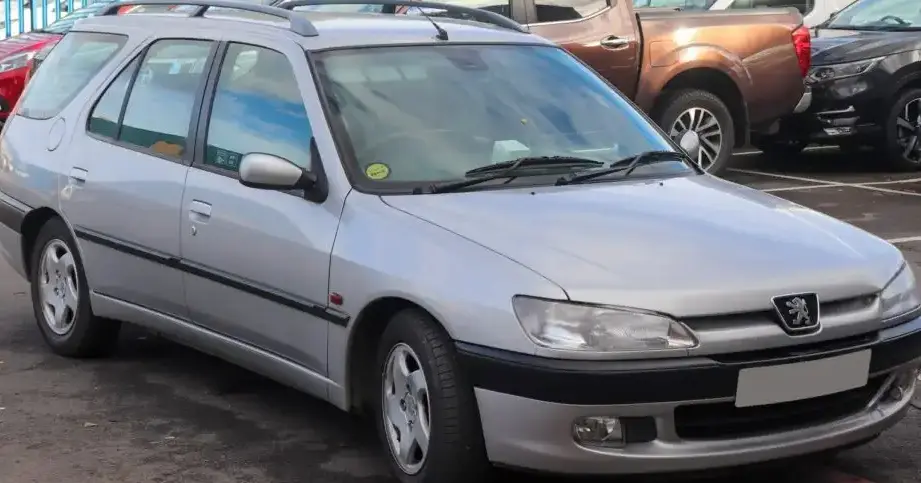
The Peugeot 306 Cabriolet 1.6, produced between 1996 and 1997, represents a popular entry point into the world of open-top motoring for European buyers. Part of the 7D series, this variant occupied a crucial position in the 306 Cabrio range, offering a balance between affordability, style, and reasonable performance. It was built upon the success of the 306 hatchback, leveraging its mechanical components and appealing to a broader audience seeking a more emotive driving experience. The 306 Cabriolet, in general, aimed to provide a stylish and accessible alternative to more expensive convertible options available at the time.
Technical Specifications
| Brand | Peugeot |
| Model | 306 |
| Generation | 306 Cabrio (7D) |
| Type (Engine) | 1.6 (89 Hp) |
| Start of production | 1996 |
| End of production | 1997 |
| Powertrain Architecture | Internal Combustion engine |
| Body type | Cabriolet |
| Seats | 4 |
| Doors | 2 |
| Fuel consumption (combined) | 7.7 l/100 km |
| Fuel consumption (US mpg) | 30.5 US mpg |
| Fuel consumption (UK mpg) | 36.7 UK mpg |
| Fuel consumption (km/l) | 13 km/l |
| Fuel Type | Petrol (Gasoline) |
| Acceleration 0 – 100 km/h | 12.7 sec |
| Acceleration 0 – 62 mph | 12.7 sec |
| Acceleration 0 – 60 mph | 12.1 sec |
| Maximum speed | 177 km/h (109.98 mph) |
| Weight-to-power ratio | 13.5 kg/Hp |
| Weight-to-torque ratio | 8.9 kg/Nm |
| Power | 89 Hp @ 5600 rpm |
| Power per litre | 56.1 Hp/l |
| Torque | 135 Nm @ 3000 rpm (99.57 lb.-ft. @ 3000 rpm) |
| Engine layout | Front, Transverse |
| Engine Model/Code | NFZ TU5JP |
| Engine displacement | 1587 cm3 (96.84 cu. in.) |
| Number of cylinders | 4 |
| Engine configuration | Inline |
| Cylinder Bore | 78.5 mm (3.09 in.) |
| Piston Stroke | 82 mm (3.23 in.) |
| Compression ratio | 10:1 |
| Number of valves per cylinder | 2 |
| Fuel injection system | Multi-port manifold injection |
| Engine aspiration | Naturally aspirated engine |
| Valvetrain | OHC |
| Engine oil capacity | 3.2 l (3.38 US qt | 2.82 UK qt) |
| Coolant capacity | 7 l (7.4 US qt | 6.16 UK qt) |
| Kerb Weight | 1200 kg (2645.55 lbs.) |
| Max. weight | 1550 kg (3417.17 lbs.) |
| Max load | 350 kg (771.62 lbs.) |
| Trunk (boot) space – minimum | 274 l (9.68 cu. ft.) |
| Fuel tank capacity | 60 l (15.85 US gal | 13.2 UK gal) |
| Length | 4144 mm (163.15 in.) |
| Width | 1689 mm (66.5 in.) |
| Height | 1356 mm (53.39 in.) |
| Wheelbase | 2540 mm (100 in.) |
| Front track | 1454 mm (57.24 in.) |
| Rear (Back) track | 1429 mm (56.26 in.) |
| Drivetrain Architecture | The Internal combustion engine (ICE) drives the front wheels of the vehicle. |
| Drive wheel | Front wheel drive |
| Number of gears and type of gearbox | 5 gears, manual transmission |
| Front suspension | Wishbone |
| Rear suspension | Trailing arm |
| Front brakes | Disc |
| Rear brakes | Drum |
| Assisting systems | ABS (Anti-lock braking system) |
| Steering type | Steering rack and pinion |
| Power steering | Hydraulic Steering |
| Tires size | 185/65 R14 |
INTRODUCTION
The 1.6-liter Peugeot 306 Cabriolet, produced from 1996 to 1997, was a key variant within the 7D series. It represented the entry-level engine option for the Cabriolet, targeting buyers who prioritized affordability and style over outright performance. Positioned below the more powerful 2.0-liter versions, the 1.6 offered a more economical and accessible route to open-top motoring. The 306 Cabriolet itself was a significant addition to Peugeot’s lineup, capitalizing on the growing popularity of convertibles in the mid-1990s. It provided a more affordable and practical alternative to premium brands, appealing to a wider demographic.
Powertrain & Engine Architecture
At the heart of the 306 Cabriolet 1.6 lies the NFZ (also known as TU5JP) engine, a 1.6-liter inline-four cylinder petrol engine. This engine was a mainstay in Peugeot and Citroën vehicles of the era, known for its relative reliability and simplicity. The NFZ engine featured a single overhead camshaft (OHC) valvetrain with two valves per cylinder. Fuel delivery was managed by a multi-port fuel injection system, providing adequate fuel atomization for efficient combustion. The engine produced 89 horsepower at 5600 rpm and 135 Nm (99.57 lb-ft) of torque at 3000 rpm. The engine was transversely mounted, driving the front wheels. The transmission was a five-speed manual gearbox, chosen for its efficiency and cost-effectiveness in this entry-level model. While an automatic transmission was available on some 306 models, it wasn’t typically paired with the 1.6-liter engine in the Cabriolet range.
Driving Characteristics
The 1.6-liter engine in the 306 Cabriolet provided adequate, but not exhilarating, performance. Acceleration from 0 to 60 mph took around 12.1 seconds, and the top speed was approximately 109.98 mph. The power delivery was relatively linear, making it easy to drive in everyday conditions. However, compared to the 2.0-liter versions, the 1.6 felt noticeably slower, particularly when fully loaded or tackling inclines. The five-speed manual gearbox was well-matched to the engine’s characteristics, offering a reasonable spread of ratios. The gear ratios were geared towards fuel efficiency rather than outright acceleration. The Cabriolet’s open-top nature added a slight weight penalty compared to the hatchback, further impacting performance. The driving experience was more about enjoying the open air than spirited driving.
Equipment & Trim Levels
The 1.6-liter Cabriolet typically came with a fairly basic level of equipment, reflecting its position as the entry-level model. Standard features generally included power steering, central locking, and an AM/FM radio. Interior upholstery was typically cloth, and the dashboard featured a simple, functional design. Optional extras included alloy wheels, electric windows, and a more sophisticated audio system. The trim level often dictated the color of the interior trim and the availability of certain cosmetic enhancements. The focus was on providing a comfortable and stylish environment without excessive luxury.
Chassis & Braking
The 306 Cabriolet utilized a front-wheel-drive chassis with independent wishbone suspension at the front and a trailing arm suspension at the rear. The suspension setup was tuned for comfort rather than sporty handling. The front brakes were discs, providing adequate stopping power, while the rear brakes were drums, a cost-saving measure common in this segment. Anti-lock braking system (ABS) was included as standard, enhancing safety. The steering was a rack and pinion system with hydraulic power assistance, providing light and easy steering feel. The tires were typically 185/65 R14, offering a balance between comfort and grip.
Market Reception & Comparison
The 306 Cabriolet 1.6 was generally well-received by critics as an affordable and stylish convertible. It was praised for its attractive design and comfortable ride. However, the 1.6-liter engine was often criticized for being underpowered, particularly when compared to the more potent 2.0-liter versions. Fuel economy was reasonable, averaging around 30.5 US mpg. Compared to the 2.0-liter models, the 1.6 offered lower running costs but sacrificed performance. The 1.6 was aimed at buyers who prioritized style and affordability over outright speed, while the 2.0-liter models catered to those seeking a more engaging driving experience.
Legacy
The Peugeot 306 Cabriolet 1.6 has proven to be a relatively reliable vehicle, with the NFZ engine being known for its durability. However, as with any older car, regular maintenance is crucial to prevent issues. Common problems include corrosion, particularly in areas prone to moisture, and wear and tear on suspension components. Today, the 306 Cabriolet 1.6 is a popular choice among classic car enthusiasts seeking an affordable and stylish convertible. Its simple mechanicals make it relatively easy to maintain, and its classic design continues to appeal to a wide range of buyers. The 1.6-liter version, while not the fastest, offers a charming and accessible entry point into the world of classic Peugeot motoring.