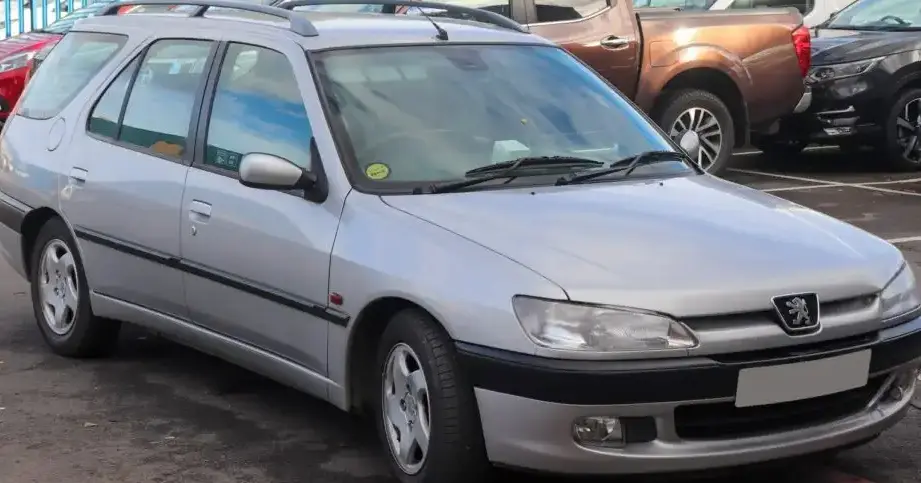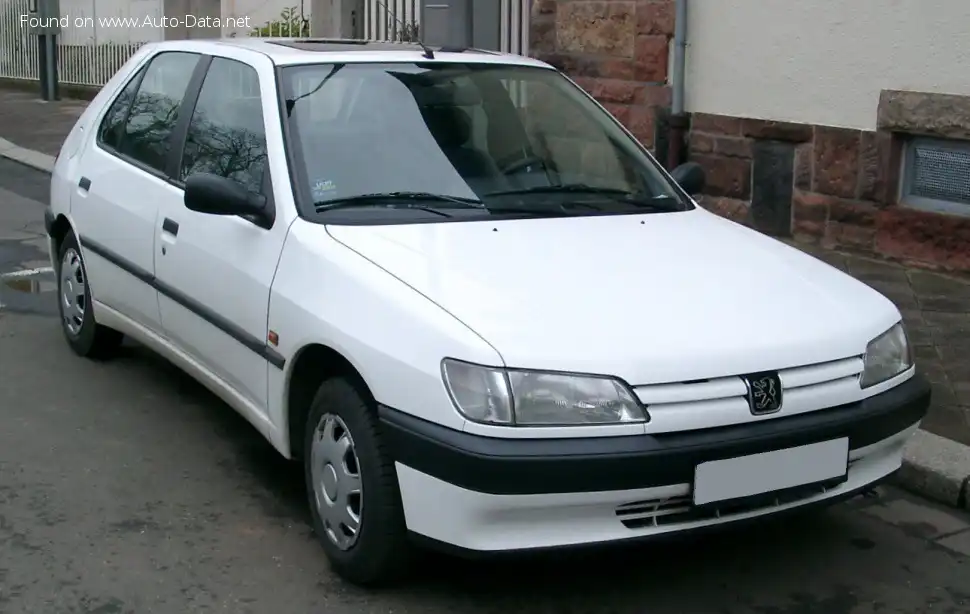
The Peugeot 306, produced between 1993 and 2002, was a small family car designed to replace the Peugeot 205. The 306 series encompassed a range of body styles including hatchbacks, saloons, and estates. The 1.4-liter (75 horsepower) variant, available from 1993 to 1997, represented the entry point into the 306 lineup, primarily aimed at budget-conscious buyers and those seeking economical transportation. This model, designated as the 7A/C series, played a significant role in establishing the 306 as a popular choice in the European market, offering a practical and affordable package.
Technical Specifications
| Brand | Peugeot |
| Model | 306 |
| Generation | 306 Hatchback (7A/C) |
| Type (Engine) | 1.4 (75 Hp) |
| Start of production | 1993 |
| End of production | 1997 |
| Powertrain Architecture | Internal Combustion engine |
| Body type | Hatchback |
| Seats | 5 |
| Doors | 3-5 |
| Fuel consumption (urban) | 7.9 l/100 km (29.8 US mpg, 35.8 UK mpg, 12.7 km/l) |
| Fuel consumption (extra urban) | 5.6 l/100 km (42 US mpg, 50.4 UK mpg, 17.9 km/l) |
| Fuel consumption (combined) | 6.7 l/100 km (35.1 US mpg, 42.2 UK mpg, 14.9 km/l) |
| Fuel Type | Petrol (Gasoline) |
| Acceleration 0 – 100 km/h | 14.9 sec |
| Acceleration 0 – 62 mph | 14.9 sec |
| Acceleration 0 – 60 mph | 14.2 sec |
| Maximum speed | 173 km/h (107.5 mph) |
| Weight-to-power ratio | 13.6 kg/Hp, 73.5 Hp/tonne |
| Weight-to-torque ratio | 9.2 kg/Nm, 108.8 Nm/tonne |
| Power | 75 Hp @ 5800 rpm |
| Power per litre | 55.1 Hp/l |
| Torque | 111 Nm @ 3400 rpm (81.87 lb.-ft. @ 3400 rpm) |
| Engine layout | Front, Transverse |
| Engine Model/Code | KDX TU3MC, KFX TU3JP |
| Engine displacement | 1361 cm3 (83.05 cu. in.) |
| Number of cylinders | 4 |
| Engine configuration | Inline |
| Cylinder Bore | 75 mm (2.95 in.) |
| Piston Stroke | 77 mm (3.03 in.) |
| Compression ratio | 9.3:1 |
| Number of valves per cylinder | 2 |
| Fuel injection system | Multi-port manifold injection |
| Engine aspiration | Naturally aspirated engine |
| Valvetrain | OHC |
| Engine oil capacity | 3.2 l (3.38 US qt | 2.82 UK qt) |
| Coolant | 6.5 l (6.87 US qt | 5.72 UK qt) |
| Kerb Weight | 1020 kg (2248.72 lbs.) |
| Max. weight | 1530 kg (3373.07 lbs.) |
| Max load | 510 kg (1124.36 lbs.) |
| Trunk (boot) space – minimum | 338 l (11.94 cu. ft.) |
| Trunk (boot) space – maximum | 637 l (22.5 cu. ft.) |
| Fuel tank capacity | 60 l (15.85 US gal | 13.2 UK gal) |
| Length | 3995 mm (157.28 in.) |
| Width | 1692 mm (66.61 in.) |
| Height | 1380 mm (54.33 in.) |
| Wheelbase | 2580 mm (101.57 in.) |
| Front track | 1462 mm (57.56 in.) |
| Rear (Back) track | 1435 mm (56.5 in.) |
| Drivetrain Architecture | The Internal combustion engine (ICE) drives the front wheels of the vehicle. |
| Drive wheel | Front wheel drive |
| Number of gears and type of gearbox | 5 gears, manual transmission |
| Front suspension | Wishbone |
| Rear suspension | Trailing arm |
| Front brakes | Disc |
| Rear brakes | Drum |
| Assisting systems | ABS (Anti-lock braking system) |
| Steering type | Steering rack and pinion |
| Power steering | Hydraulic Steering |
| Tires size | 185/65 R14 |
Powertrain & Engine Architecture
The 1.4-liter engine in the 306, typically identified by engine codes KDX (TU3MC) or KFX (TU3JP), was a naturally aspirated, inline-four cylinder unit. It featured a single overhead camshaft (OHC) design and utilized a multi-port fuel injection system. This engine was part of Peugeot’s TU series, known for its simplicity and reliability. The TU3MC and TU3JP variants differed slightly in their tuning and emissions control systems. The engine produced 75 horsepower at 5800 rpm and 111 Nm (81.87 lb-ft) of torque at 3400 rpm. The engine’s relatively low compression ratio of 9.3:1 contributed to its ability to run on lower octane fuel, common in many European markets. The 5-speed manual transmission was the standard offering, designed to maximize fuel efficiency and provide adequate performance for everyday driving.
Driving Characteristics
The 1.4-liter 306 offered modest performance. Acceleration from 0 to 60 mph took around 14.2 seconds, and the top speed was approximately 107.5 mph. While not particularly quick, the engine provided sufficient power for urban and highway driving, especially when unladen. The 5-speed gearbox allowed for reasonable flexibility, but drivers often needed to downshift to maintain momentum on inclines or when overtaking. Compared to the more powerful 1.6-liter or 2.0-liter versions of the 306, the 1.4 felt noticeably slower. However, it excelled in fuel economy, making it a practical choice for those prioritizing cost-effectiveness.
Equipment & Trim Levels
The 1.4-liter 306 typically came with a basic level of equipment. Standard features included power steering, central locking, and an adjustable steering column. Interior upholstery was typically cloth, and the dashboard featured a simple, functional design. Optional extras included electric windows, a sunroof, and upgraded audio systems. Trim levels varied depending on the market, but the 1.4 generally represented the entry-level specification. It was often marketed towards first-time car buyers or those seeking a reliable and affordable second vehicle.
Chassis & Braking
The 306’s chassis featured a front independent suspension with wishbones and a rear trailing arm setup. This configuration provided a comfortable ride, although it wasn’t particularly sporty. The front brakes were discs, while the rear brakes were drums, a common setup for this class of vehicle at the time. Anti-lock Braking System (ABS) was available as an option, enhancing safety. The steering was rack and pinion, providing reasonably precise control. The 1.4-liter models typically had a lighter curb weight (around 1020 kg / 2248.72 lbs) compared to higher-spec versions, which contributed to slightly improved handling and fuel economy.
Market Reception & Comparison
The Peugeot 306 1.4 received generally positive reviews for its practicality, affordability, and fuel efficiency. Critics noted its comfortable ride and spacious interior. However, the engine’s lack of power was a common criticism. Compared to rivals like the Volkswagen Golf, Ford Escort, and Renault 19, the 306 1.4 offered a competitive package, particularly in terms of value for money. The 1.6-liter and 2.0-liter versions of the 306 offered significantly more performance but came at a higher price point. The 1.9 TDI diesel variant provided excellent fuel economy but lacked the refinement of the petrol engines.
Legacy
The Peugeot 306 1.4 proved to be a reliable and durable vehicle. The TU3 engine is known for its longevity, and many examples are still on the road today. While not a particularly sought-after model by enthusiasts, the 1.4-liter 306 remains a popular choice for those seeking an affordable and practical classic car. Parts availability is generally good, and maintenance costs are relatively low. The 306’s success helped establish Peugeot as a major player in the European small family car market, paving the way for future models like the 307 and 308.