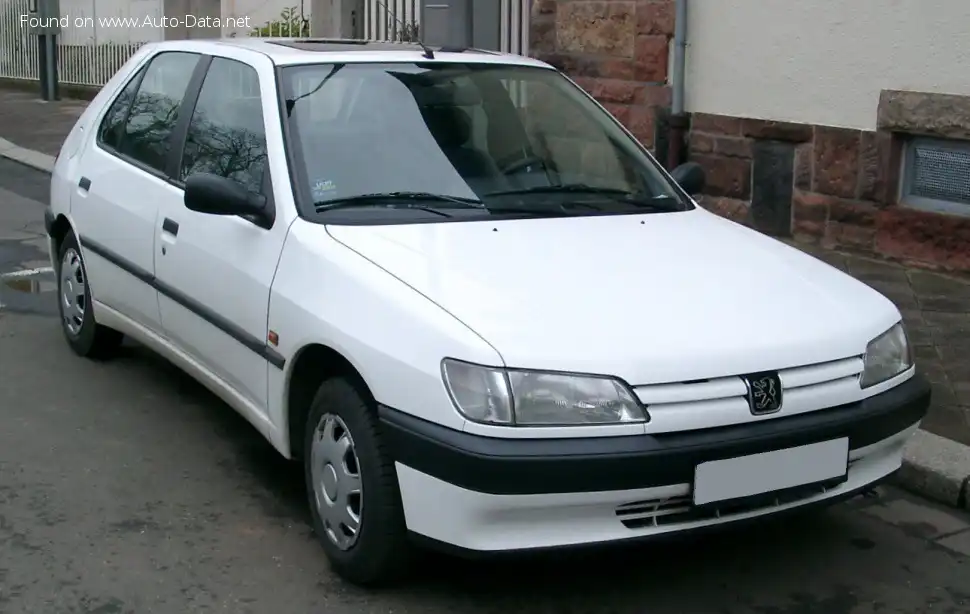
The Peugeot 306, produced between 1993 and 2002, represented a significant step forward for the French automaker, offering a more modern and refined package compared to its predecessor, the 205. The 306 was available in a variety of body styles including hatchbacks, saloons, and convertibles. Within the 7A/C hatchback generation, the 1.9 D variant, powered by the DJZ XUD9Y engine and producing 64 horsepower, occupied a crucial position as an entry-level, fuel-efficient option aimed at buyers prioritizing economy and practicality. Production of this specific configuration ran from 1993 to 1997, catering primarily to the European market where diesel engines held a strong preference.
Technical Specifications
| Brand | Peugeot |
| Model | 306 |
| Generation | 306 Hatchback (7A/C) |
| Type (Engine) | 1.9 D (64 Hp) |
| Start of production | 1993 |
| End of production | 1997 |
| Powertrain Architecture | Internal Combustion engine |
| Body type | Hatchback |
| Fuel Type | Diesel |
| Power | 64 Hp |
| Engine Model/Code | DJZ XUD9Y |
| Engine aspiration | Naturally aspirated engine |
| Engine oil capacity | 4 l (4.23 US qt | 3.52 UK qt) |
| Coolant capacity | 9 l (9.51 US qt | 7.92 UK qt) |
Powertrain & Engine Architecture
The heart of the 306 1.9 D was the XUD9Y diesel engine, a workhorse powerplant that had seen service in various Peugeot and Citroën models for years. The ‘DJZ’ engine code specifically denotes a version of the XUD9Y optimized for the 306. This engine is a naturally aspirated, inline-four cylinder diesel, displacing 1868cc (1.9 liters). It featured indirect injection, utilizing a Bosch rotary injection pump to deliver fuel into pre-combustion chambers. This design, common for diesels of the era, helped to improve combustion efficiency and reduce noise compared to direct injection systems. The engine employed a single overhead camshaft (SOHC) operating two valves per cylinder. While not known for its outright power, the XUD9Y was celebrated for its durability and fuel economy. The engine was typically paired with a five-speed manual transmission, however, a three-speed automatic transmission was also offered, though less common. The automatic gearbox, while providing convenience, did impact fuel economy and performance.
Driving Characteristics
The 306 1.9 D, particularly in its automatic guise, was not designed for spirited driving. With only 64 horsepower and approximately 122 lb-ft of torque, acceleration was modest. The automatic transmission further muted performance, with relatively long shift times and a focus on smooth operation rather than rapid gear changes. Real-world driving involved prioritizing fuel efficiency and utilizing the engine’s torque for relaxed cruising. The gear ratios in the three-speed automatic were spaced to maximize fuel economy, meaning the engine often operated at higher RPMs during acceleration. Compared to the more powerful 1.6L or 2.0L petrol variants, or even the later 1.9 TDI diesel, the 1.9 D felt significantly slower. However, the simplicity of the powertrain contributed to its reliability and ease of maintenance. The automatic transmission, while not sporty, provided a comfortable driving experience for urban commutes and long journeys.
Equipment & Trim Levels
The 1.9 D trim level of the 306 hatchback typically represented the base model. Standard equipment generally included central locking, power steering, and basic cloth upholstery. Air conditioning was often an optional extra, as were electric windows. The dashboard layout was functional and straightforward, with a focus on practicality rather than luxury. Interior trim was typically dark grey or blue. Higher trim levels, such as the GL or XSi, offered additional features like alloy wheels, upgraded upholstery, and a more comprehensive stereo system. The 1.9 D was often seen as a ‘fleet’ vehicle, meaning many examples were purchased by companies and equipped with minimal extras to keep costs down. Optional extras for the 1.9 D included a sunroof, upgraded sound system, and metallic paint.
Chassis & Braking
The 306 7A/C utilized a MacPherson strut front suspension and a torsion beam rear suspension. This setup provided a reasonable balance between comfort and handling, although it wasn’t particularly sporty. The 1.9 D models typically featured drum brakes on the rear wheels, while the front brakes were disc brakes. Stabilizer bars were fitted to both the front and rear axles, helping to reduce body roll during cornering. The suspension was tuned for comfort, prioritizing a smooth ride over sharp handling. The braking system, while adequate for the vehicle’s performance, lacked the stopping power of the larger-engined models. Tire sizes were typically 175/70 R14 or 185/65 R14, depending on the specific trim level.
Market Reception & Comparison
The Peugeot 306 1.9 D was well-received in the European market as a practical and economical hatchback. Critics praised its fuel efficiency and durability, but noted its lack of performance. Compared to the petrol-powered versions, the 1.9 D offered significantly better fuel economy, making it an attractive option for high-mileage drivers. However, the diesel engine was noticeably louder and less refined than the petrol alternatives. The 1.9 TDI variant, introduced later in the 306’s lifecycle, offered a significant performance boost while maintaining good fuel economy, quickly becoming a more popular choice. The 1.9 D’s simplicity and robust construction made it a popular choice for rental companies and delivery services. Its lower purchase price also made it accessible to budget-conscious buyers.
Legacy
The Peugeot 306 1.9 D, particularly the XUD9Y engine, has earned a reputation for exceptional reliability. The engine is known to withstand high mileage with proper maintenance. Today, these vehicles are relatively affordable to purchase and maintain, making them popular choices for first-time car owners or those seeking a dependable and economical runabout. Parts availability is generally good, although some trim-specific components may be harder to find. The automatic transmission, while less desirable than the manual, remains relatively reliable if properly serviced. The 306 1.9 D represents a classic example of a 1990s European hatchback, offering a blend of practicality, economy, and durability that continues to appeal to enthusiasts and budget-minded drivers alike. While not a performance icon, its lasting legacy is one of dependable transportation.