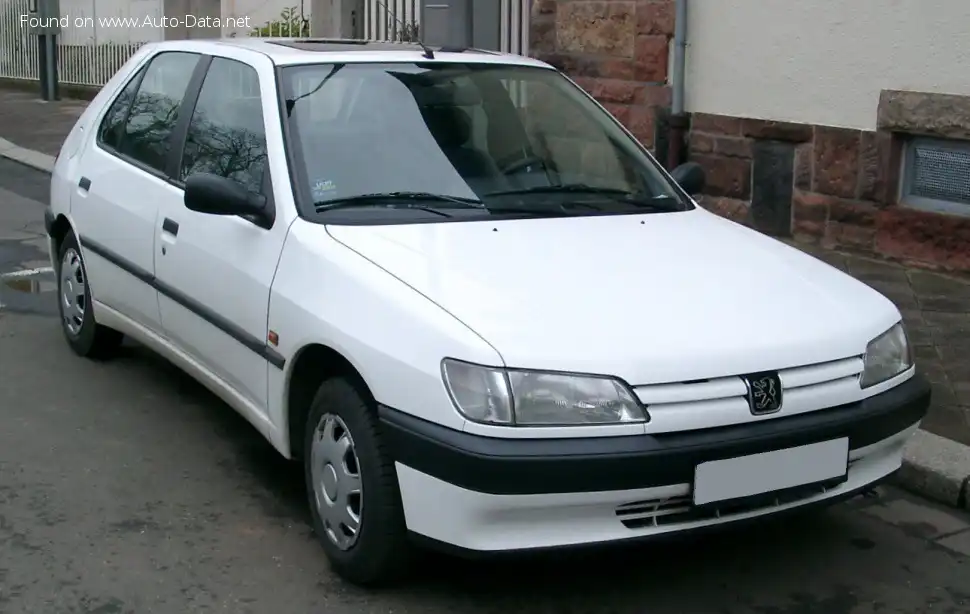
The Peugeot 306 2.0 S16, produced between 1993 and 1997, represents a performance-oriented variant within the 7A/C generation of the popular Peugeot 306 hatchback. Positioned as a sporty offering, the S16 distinguished itself from lower-trim models with its significantly more powerful engine and associated performance enhancements. It played a key role in establishing the 306 as a desirable compact car, appealing to drivers seeking a blend of practicality and driving enjoyment. The 306 range itself was a crucial model for Peugeot, replacing the aging 205 and becoming a mainstay in the European C-segment.
Technical Specifications
| Brand | Peugeot |
| Model | 306 |
| Generation | 306 Hatchback (7A/C) |
| Type (Engine) | 2.0 S16 (152 Hp) |
| Start of production | 1993 |
| End of production | 1997 |
| Powertrain Architecture | Internal Combustion engine |
| Body type | Hatchback |
| Fuel Type | Petrol (Gasoline) |
| Power | 152 Hp |
| Engine Model/Code | RFY XU10J4Z |
| Engine aspiration | Naturally aspirated engine |
| Engine oil capacity | 4.3 l (4.54 US qt | 3.78 UK qt) |
| Coolant capacity | 7.5 l (7.93 US qt | 6.6 UK qt) |
Powertrain & Engine Architecture
The heart of the 306 2.0 S16 is the XU10J4Z engine, a naturally aspirated 2.0-liter inline-four cylinder. This engine is a member of Peugeot-Citroën’s XU series, known for its robustness and tuning potential. The ‘RFY’ engine code specifically denotes a version optimized for performance. It features a cast iron block and an aluminum cylinder head, incorporating dual overhead camshafts (DOHC) and four valves per cylinder. This valvetrain configuration is crucial to the engine’s ability to produce 152 horsepower at 6000 rpm and 147 lb-ft of torque at 4000 rpm. Fuel delivery is managed by Bosch Motronic MP3.2 multi-point fuel injection, ensuring precise fuel metering for optimal combustion. Unlike later iterations, the S16 did not feature variable valve timing. The engine’s design prioritized a broad powerband and responsive throttle characteristics, making it enjoyable to drive in a variety of conditions.
Driving Characteristics
The 306 2.0 S16 offered a noticeable step up in performance compared to the base models. Acceleration from 0 to 60 mph was typically achieved in around 7.8 seconds, and it had a top speed of approximately 137 mph. The engine’s power delivery was linear and predictable, making it easy to modulate. While not a torque monster, the 2.0-liter engine provided sufficient grunt for spirited driving. The five-speed manual transmission, standard on the S16, featured relatively short gear ratios, contributing to the car’s lively feel. The gear change was precise, though not exceptionally sporty by modern standards. Compared to the lower-powered 1.6-liter or diesel variants, the S16 felt significantly more capable on winding roads and during highway overtaking maneuvers. The difference in driving experience was substantial, justifying the price premium for performance enthusiasts.
Equipment & Trim Levels
The 2.0 S16 trim level was well-equipped for its time. Standard features typically included power steering, central locking, electric front windows, and an upgraded interior trim. The seats were often upholstered in a sporty fabric pattern, and the dashboard featured additional instrumentation, such as a rev counter. Air conditioning was a common option. Exterior styling cues included a rear spoiler, alloy wheels (typically 15-inch), and sometimes a subtle body kit. The S16 also benefited from upgraded suspension components compared to the standard 306, providing improved handling and stability. Optional extras could include a sunroof, upgraded audio system, and metallic paint finishes.
Chassis & Braking
The 306 2.0 S16 utilized a MacPherson strut front suspension and a torsion beam rear suspension. The S16 trim received stiffer springs and dampers compared to lower-spec models, resulting in reduced body roll and improved handling. The front brakes were typically ventilated discs, while the rear brakes were solid discs on later models, earlier models had drum brakes. The braking system provided adequate stopping power for the car’s performance capabilities. Power assistance was standard. The steering was rack and pinion, offering a reasonable level of feedback. The chassis was generally well-balanced, contributing to the car’s enjoyable driving dynamics.
Market Reception & Comparison
The Peugeot 306 2.0 S16 was generally well-received by automotive critics. It was praised for its lively engine, engaging handling, and relatively affordable price. Compared to rivals like the Volkswagen Golf GTI and Renault Mégane 16V, the 306 S16 offered a compelling combination of performance and value. Fuel economy was reasonable for a performance car of the era, averaging around 28-32 mpg in mixed driving. Reliability was generally good, although the XU10J4Z engine was known to be susceptible to head gasket failure if not properly maintained. The S16 was often seen as a more focused and driver-oriented alternative to the more comfort-biased trims within the 306 range.
Legacy
The Peugeot 306 2.0 S16 has developed a cult following among enthusiasts. The XU10J4Z engine remains a popular choice for engine swaps and modifications. The car’s relatively simple mechanical design makes it relatively easy to maintain and repair. Today, well-maintained examples are becoming increasingly collectible. While not as highly regarded as some of its more iconic rivals, the 306 2.0 S16 represents a significant chapter in Peugeot’s history and a testament to the brand’s ability to produce engaging and affordable performance cars. Finding a rust-free example is becoming increasingly difficult, and parts availability can be a challenge, but the 306 S16 continues to offer a rewarding driving experience for those willing to invest the time and effort.