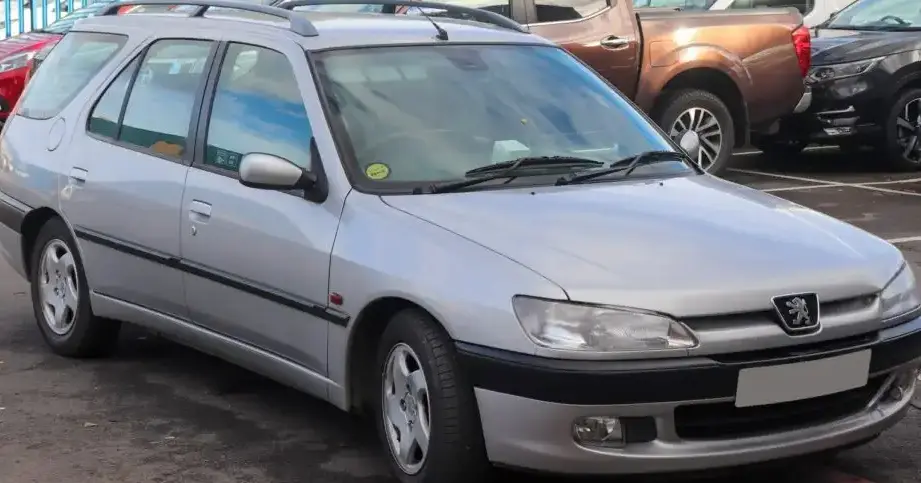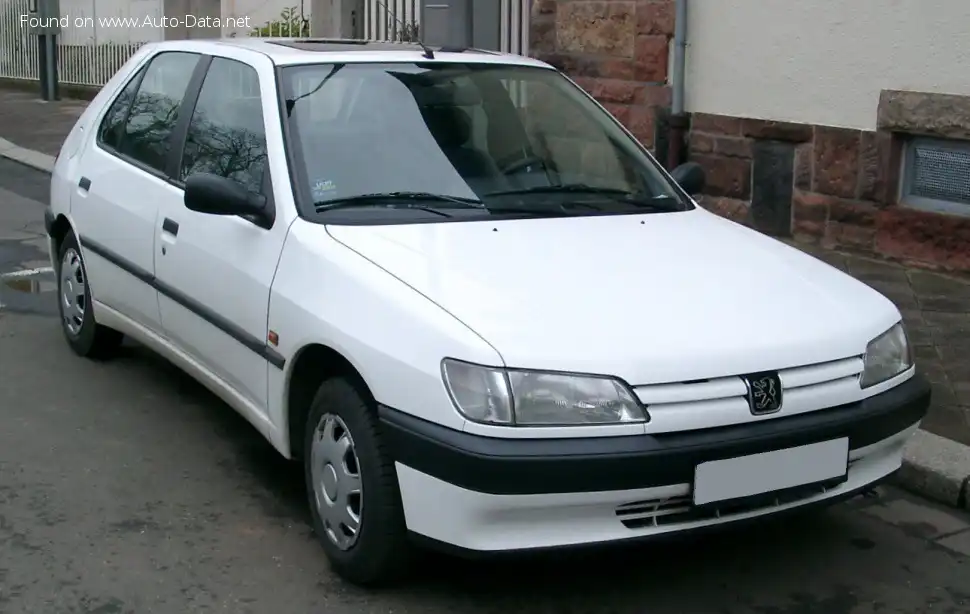
The Peugeot 306 2.0 S16, produced between 1996 and 1997, represents a performance-oriented variant within the 306 Hatchback (7A/C) range. Positioned as a premium offering, it catered to drivers seeking a more engaging driving experience than the base models. This generation of the 306, built on the Peugeot 306 platform, was a popular choice in the European market, known for its blend of practicality, affordability, and relatively sporty handling. The 2.0 S16 distinguished itself with a high-revving naturally aspirated engine and a six-speed manual transmission, setting it apart from the more economical engine options available.
Technical Specifications
| Brand | Peugeot |
| Model | 306 |
| Generation | 306 Hatchback (7A/C) |
| Type (Engine) | 2.0 S16 (163 Hp) |
| Start of production | 1996 |
| End of production | 1997 |
| Powertrain Architecture | Internal Combustion engine |
| Body type | Hatchback |
| Seats | 5 |
| Doors | 3 |
| Fuel consumption (urban) | 12 l/100 km (19.6 US mpg, 23.5 UK mpg, 8.3 km/l) |
| Fuel consumption (extra urban) | 7 l/100 km (33.6 US mpg, 40.4 UK mpg, 14.3 km/l) |
| Fuel consumption (combined) | 8.5 l/100 km (27.7 US mpg, 33.2 UK mpg, 11.8 km/l) |
| Fuel Type | Petrol (Gasoline) |
| Acceleration 0 – 100 km/h | 8.5 sec |
| Acceleration 0 – 62 mph | 8.5 sec |
| Acceleration 0 – 60 mph | 8.1 sec |
| Maximum speed | 220 km/h (136.7 mph) |
| Weight-to-power ratio | 7.1 kg/Hp, 140.5 Hp/tonne |
| Weight-to-torque ratio | 6 kg/Nm, 166.4 Nm/tonne |
| Power | 163 Hp @ 6500 rpm |
| Power per litre | 81.6 Hp/l |
| Torque | 193 Nm @ 5500 rpm (142.35 lb.-ft. @ 5500 rpm) |
| Engine layout | Front, Transverse |
| Engine Model/Code | RFS XU10J4RS |
| Engine displacement | 1998 cm3 (121.93 cu. in.) |
| Number of cylinders | 4 |
| Engine configuration | Inline |
| Cylinder Bore | 86 mm (3.39 in.) |
| Piston Stroke | 86 mm (3.39 in.) |
| Compression ratio | 10.8:1 |
| Number of valves per cylinder | 4 |
| Fuel injection system | Multi-port manifold injection |
| Engine aspiration | Naturally aspirated engine |
| Valvetrain | DOHC |
| Engine oil capacity | 4.3 l (4.54 US qt | 3.78 UK qt) |
| Coolant | 7.5 l (7.93 US qt | 6.6 UK qt) |
| Kerb Weight | 1160 kg (2557.36 lbs.) |
| Max. weight | 1670 kg (3681.72 lbs.) |
| Max load | 510 kg (1124.36 lbs.) |
| Trunk (boot) space – minimum | 338 l (11.94 cu. ft.) |
| Trunk (boot) space – maximum | 1146 l (40.47 cu. ft.) |
| Fuel tank capacity | 60 l (15.85 US gal | 13.2 UK gal) |
| Length | 3995 mm (157.28 in.) |
| Width | 1695 mm (66.73 in.) |
| Height | 1365 mm (53.74 in.) |
| Wheelbase | 2580 mm (101.57 in.) |
| Front track | 1464 mm (57.64 in.) |
| Rear (Back) track | 1439 mm (56.65 in.) |
| Drivetrain Architecture | Front wheel drive |
| Drive wheel | Front wheel drive |
| Number of gears and type of gearbox | 6 gears, manual transmission |
| Front suspension | Wishbone |
| Rear suspension | Trailing arm |
| Front brakes | Ventilated discs |
| Rear brakes | Disc |
| Assisting systems | ABS (Anti-lock braking system) |
| Steering type | Steering rack and pinion |
| Power steering | Hydraulic Steering |
| Tires size | 195/55 R15 |
| Wheel rims size | 15 |
Powertrain & Engine Architecture
The heart of the 306 2.0 S16 is the XU10J4RS engine, a 1998cc (121.93 cu. in.) inline-four cylinder powerplant. This engine is a member of the XU series, renowned for its durability and tunability. The ‘RS’ designation indicates a higher performance variant. It features a dual overhead camshaft (DOHC) valvetrain operating four valves per cylinder, contributing to its high-revving nature. Fuel delivery is managed by a multi-port fuel injection system, ensuring precise fuel metering for optimal performance and efficiency. The engine produces 163 horsepower at 6500 rpm and 193 Nm (142.35 lb.-ft.) of torque at 5500 rpm. The engine’s relatively high compression ratio of 10.8:1 further enhances its performance. The engine is transversely mounted, driving the front wheels. The six-speed manual transmission, a key feature of the S16, provides close gear ratios, allowing the driver to keep the engine within its optimal power band.
Driving Characteristics
The 306 2.0 S16 offers a noticeably more spirited driving experience compared to lower-spec 306 models. The six-speed gearbox allows for precise control and maximizes the engine’s potential. Acceleration to 60 mph takes approximately 8.1 seconds, and it can achieve a top speed of 136.7 mph. The close-ratio gearbox and responsive engine make it enjoyable to drive on winding roads. While not a dedicated sports car, the S16 provides a good balance between performance and everyday usability. The steering is direct and provides decent feedback, contributing to a confident feel behind the wheel. Compared to the 1.6L or diesel variants, the 2.0 S16 offers significantly more power and a more engaging driving experience, but at the cost of slightly higher fuel consumption.
Equipment & Trim Levels
The 2.0 S16 trim level typically included features such as alloy wheels, sports seats, and a leather-wrapped steering wheel. Air conditioning, power windows, and central locking were often standard. Optional extras could include a sunroof, upgraded audio system, and metallic paint. The interior generally featured a sporty aesthetic with a focus on driver engagement. The dashboard layout was typical of the era, with clearly marked gauges and intuitive controls. The S16 trim was generally well-equipped for its time, offering a comfortable and refined interior.
Chassis & Braking
The 306 2.0 S16 utilizes a wishbone front suspension and a trailing arm rear suspension. This setup provides a good balance between ride comfort and handling. The front brakes are ventilated discs, offering strong stopping power, while the rear brakes are solid discs. An Anti-lock Braking System (ABS) was standard, enhancing safety. The chassis is relatively lightweight, contributing to the car’s agility. The suspension is tuned to provide a slightly firmer ride than the base models, enhancing handling performance.
Market Reception & Comparison
The Peugeot 306 2.0 S16 was generally well-received by automotive critics. It was praised for its lively engine, engaging handling, and relatively affordable price. Compared to rivals like the Volkswagen Golf GTI and Renault Mégane 16V, the 306 S16 offered a compelling alternative, often at a lower price point. Fuel economy was reasonable for a performance-oriented hatchback, averaging around 27.7 US mpg in combined driving. Reliability was generally good, although regular maintenance was essential to ensure the longevity of the engine and other components.
Legacy
The Peugeot 306 2.0 S16 has developed a following among enthusiasts. The XU10J4RS engine is known for its robustness and potential for modification. Well-maintained examples are becoming increasingly sought after by collectors and classic car enthusiasts. While age and mileage can affect reliability, the 306 2.0 S16 remains a capable and enjoyable car to drive. Parts availability is generally good, although some specific components may become harder to find over time. Today, it represents a fondly remembered era of affordable, engaging hatchbacks.