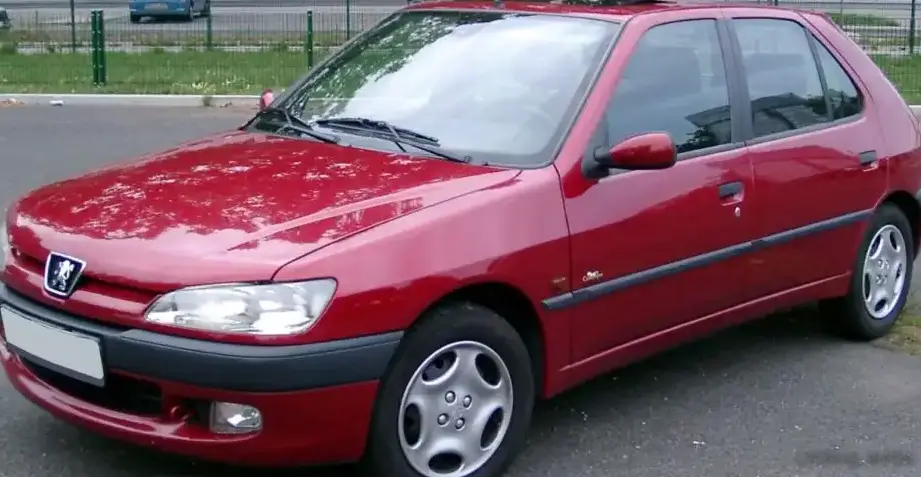
The Peugeot 306, particularly the facelifted version introduced in 1997, represented a significant step forward for the French automaker in the competitive compact hatchback segment. Produced from 1993 to 2002, the 306 aimed to offer a blend of practicality, comfort, and affordability. The 1.9 D variant, powered by the DHV engine and producing 75 horsepower, was a mainstay of the lineup from 1998 to 2002, primarily targeted at buyers seeking economical transportation and reliability. This model occupied the lower to mid-range of the 306 offerings, positioned below the more powerful petrol engines and the higher-specification diesel trims.
Technical Specifications
| Brand | Peugeot |
| Model | 306 |
| Generation | 306 Hatchback (facelift 1997) |
| Type (Engine) | 1.9 D (75 Hp) |
| Start of production | 1998 |
| End of production | 2002 |
| Powertrain Architecture | Internal Combustion engine |
| Body type | Hatchback |
| Fuel Type | Diesel |
| Power | 75 Hp |
| Engine Model/Code | DHV XUD9BSD |
| Engine aspiration | Naturally aspirated engine |
| Engine oil capacity | 5 l (5.28 US qt | 4.4 UK qt) |
| Coolant capacity | 8 l (8.45 US qt | 7.04 UK qt) |
Powertrain & Engine Architecture
The heart of the 306 1.9 D is the DHV XUD9BSD engine, a 1868cc naturally aspirated diesel engine. This engine is a member of the XUD family, renowned for its robustness and longevity. The XUD9 engine utilizes an indirect injection system, employing a pre-chamber combustion design. Fuel is initially injected into a small pre-chamber, where it partially combusts, and then flows through orifices into the main combustion chamber for complete combustion. This design contributes to quieter operation and reduced emissions compared to direct injection systems of the time. The engine features a single overhead camshaft (SOHC) operating two valves per cylinder. The DHV variant incorporates minor refinements over earlier XUD9 versions, primarily focused on improving fuel efficiency and reducing noise. The engine is typically paired with a five-speed manual transmission, though a four-speed automatic transmission was also available, albeit less common. The automatic transmission, while offering convenience, slightly diminishes fuel economy and performance. The four-speed automatic, a common unit for the era, features a traditional torque converter and planetary gearset, prioritizing smooth shifts over outright speed.
Driving Characteristics
The 306 1.9 D, with its 75 horsepower and 128 lb-ft of torque, wasn’t designed for outright speed. Acceleration is modest, taking approximately 12-13 seconds to reach 60 mph. However, the engine’s torque characteristics provide reasonable pulling power for everyday driving, making it suitable for navigating city streets and highways. The five-speed manual transmission allows drivers to keep the engine in its optimal power band, while the four-speed automatic, though smoother, results in a noticeable decrease in responsiveness. The gear ratios are geared towards economy, prioritizing fuel efficiency over spirited acceleration. First gear is relatively short, aiding in initial acceleration, while the higher gears are spaced to maintain fuel efficiency at cruising speeds. Compared to the 1.6L or 2.0L petrol versions, the 1.9 D offers significantly less horsepower but superior fuel economy. Against other diesel variants, such as the later 2.0 HDI, the 1.9 D feels comparatively underpowered and less refined. The steering is light and easy, making it maneuverable in urban environments, but lacks the feedback desired by more enthusiastic drivers.
Equipment & Trim Levels
The 306 1.9 D typically came equipped with a fairly basic level of standard features. Depending on the specific market and year, standard equipment generally included power steering, central locking, and an adjustable steering column. Interior upholstery was typically cloth, with a durable and practical design. Higher trim levels, such as the GLX or XT, added features like electric windows, a sunroof, alloy wheels, and upgraded interior trim. Air conditioning was often an optional extra. The dashboard layout is functional and straightforward, with clearly labeled controls. Safety features were relatively basic for the era, typically including a driver’s airbag and seatbelts. The 1.9 D trim was often seen as a sensible choice for fleet buyers and those prioritizing practicality over luxury. Options like rear electric windows and upgraded audio systems were available, but less common on this base-level diesel variant.
Chassis & Braking
The 306 utilizes a MacPherson strut front suspension and a torsion beam rear suspension. This setup provides a comfortable ride quality, although it’s not particularly sporty. The torsion beam rear suspension is a cost-effective solution that contributes to the car’s overall affordability. Braking on the 306 1.9 D typically consists of disc brakes on the front wheels and drum brakes on the rear wheels. This configuration is adequate for the car’s weight and performance, but it lacks the stopping power of a fully disc brake system. Anti-lock Braking System (ABS) was available as an option on some models, enhancing safety in emergency braking situations. Stabilizer bars are fitted to both the front and rear axles, helping to reduce body roll during cornering. The suspension is tuned for comfort, absorbing bumps and imperfections in the road surface effectively. The relatively narrow tires contribute to a softer ride but limit grip during cornering.
Market Reception & Comparison
The Peugeot 306 1.9 D was generally well-received as a practical and economical hatchback. Critics praised its fuel efficiency, reliability, and comfortable ride. However, it was often criticized for its lack of power and somewhat dated interior design. Compared to rivals like the Volkswagen Golf, Ford Focus, and Renault Mégane, the 306 offered a competitive price point and a reputation for durability. Fuel economy figures typically ranged from 45-55 mpg, making it an attractive option for drivers covering long distances. Reliability was generally good, with the XUD9 engine proving to be exceptionally robust. However, like many cars of this era, rust can be a concern, particularly on older examples. The 1.9 D offered a compelling alternative to the petrol-powered models, particularly for those prioritizing running costs over performance. It was often favored by taxi drivers and delivery services due to its low fuel consumption and dependable nature.
Legacy
The Peugeot 306 1.9 D has established a reputation as a dependable and affordable used car. The XUD9 engine is known for its longevity and relatively simple mechanical design, making it easier and cheaper to maintain than more complex modern engines. While not a performance car, the 1.9 D offers a practical and economical solution for everyday transportation. Today, well-maintained examples are becoming increasingly sought after by enthusiasts and those looking for a classic French hatchback. Parts availability is generally good, although some trim-specific components may be harder to find. The 306 1.9 D remains a testament to Peugeot’s ability to produce reliable and affordable vehicles that stand the test of time. Its simple design and robust engine continue to appeal to those seeking a no-frills, dependable mode of transport. The engine’s reputation for high mileage capability has cemented its place in automotive folklore.