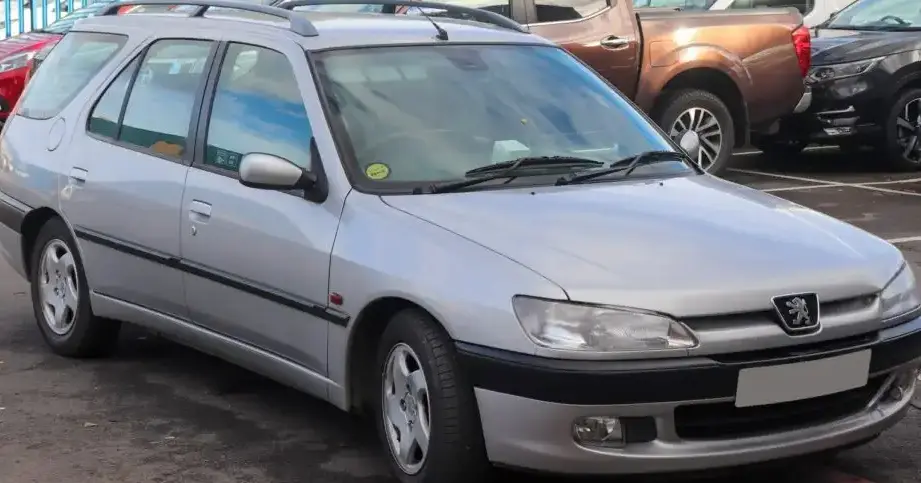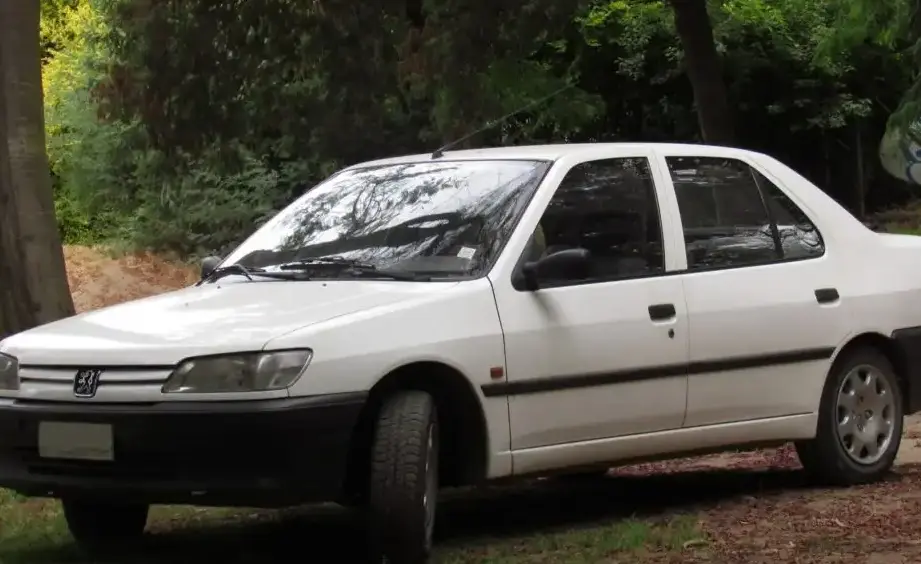
The Peugeot 306 Sedan (7B) 2.0 S16, produced between 1994 and 1997, represented a performance-oriented variant within the 306 sedan range. Positioned as a more engaging and powerful option, the 2.0 S16 aimed to attract drivers seeking a sportier driving experience compared to the base models. This variant was part of the broader 306 lineup, which itself was a significant model for Peugeot, offering a compact family car with a reputation for reliability and practicality. The 7B designation specifically refers to the sedan body style, differentiating it from the hatchback and cabriolet versions of the 306.
Technical Specifications
| Brand | Peugeot |
| Model | 306 |
| Generation | 306 Sedan (7B) |
| Type (Engine) | 2.0 S16 (150 Hp) |
| Start of production | 1994 |
| End of production | 1997 |
| Powertrain Architecture | Internal Combustion engine |
| Body type | Sedan |
| Fuel Type | Petrol (Gasoline) |
| Power | 150 Hp |
| Engine Model/Code | RFT XU10J4 |
| Engine aspiration | Naturally aspirated engine |
| Engine oil capacity | 4.3 l (4.54 US qt | 3.78 UK qt) |
| Coolant capacity | 7.5 l (7.93 US qt | 6.6 UK qt) |
Powertrain & Engine Architecture
The heart of the 306 Sedan 2.0 S16 is the XU10J4 engine, a naturally aspirated 1.998-liter (2.0L) inline-four cylinder powerplant. This engine is a member of Peugeot’s well-regarded XU series, known for its durability and performance potential. The ‘S16’ designation signifies sixteen valves – four valves per cylinder – contributing to its higher power output. The XU10J4 utilizes a cast iron block and an aluminum cylinder head. Fuel delivery is managed by Bosch Motronic MP3.2 multi-point fuel injection, optimizing fuel atomization and combustion efficiency. The engine features a single overhead camshaft (SOHC) design, operating the valves via hydraulic lifters. The compression ratio is 9.5:1. While not a particularly high compression ratio, the combination of the 16-valve head and efficient fuel injection allowed for a respectable 150 horsepower at 6000 rpm and 147 lb-ft of torque at 4000 rpm.
Driving Characteristics
The 2.0 S16 offered a noticeably more spirited driving experience than the lower-spec 306 sedans. The engine’s power delivery is linear, with a strong mid-range providing ample acceleration for overtaking and highway cruising. While Peugeot offered a five-speed manual transmission with this engine, the automatic transmission option, though less common, provided a more relaxed driving experience, particularly in urban environments. The automatic, a four-speed unit, was geared for comfort rather than outright performance, resulting in slightly slower acceleration times compared to the manual version. The automatic transmission, while convenient, did diminish some of the engine’s potential, as it introduced some power loss and didn’t allow the engine to rev as freely. The 306 S16’s steering was precise and well-weighted, contributing to a confident feel on winding roads. The suspension, while tuned for comfort, provided adequate body control, minimizing roll during cornering.
Equipment & Trim Levels
The 2.0 S16 trim level generally included a higher level of standard equipment compared to the base 306 sedan models. Interior features typically included upgraded cloth upholstery, often with a sporty pattern, and a leather-wrapped steering wheel. Power windows and door locks were standard, as was central locking. Air conditioning was a common feature, though not always standard depending on the market. The dashboard featured a comprehensive instrument cluster with a tachometer, a speedometer, and gauges for coolant temperature and fuel level. Optional extras included a sunroof, alloy wheels (often 15-inch), and a more advanced audio system. The exterior styling of the S16 was often enhanced with a subtle body kit, including a rear spoiler and side skirts, giving it a more aggressive appearance.
Chassis & Braking
The 306 Sedan 2.0 S16 utilized a MacPherson strut front suspension and a torsion beam rear suspension. This setup provided a good balance between ride comfort and handling. The front suspension featured anti-roll bar to reduce body roll. Braking duties were handled by disc brakes on the front wheels and drum brakes on the rear wheels. The braking system was not particularly advanced for its time, but it provided adequate stopping power for everyday driving. The S16 variant often featured slightly larger diameter brake discs compared to the base models, improving braking performance. The steering system was a power-assisted rack and pinion setup, providing precise and responsive steering feel.
Market Reception & Comparison
The Peugeot 306 Sedan 2.0 S16 was generally well-received by automotive critics. It was praised for its lively engine, comfortable ride, and relatively affordable price. Compared to other sedans in its class, such as the Ford Escort and Opel Astra, the 306 S16 offered a more refined driving experience and a more stylish interior. However, the automatic transmission version was sometimes criticized for its lack of responsiveness and its impact on fuel economy. The manual transmission version was considered the more engaging and desirable option by enthusiasts. Fuel economy for the 2.0 S16 was around 25-30 mpg combined, depending on driving conditions and transmission type. Reliability was generally good, although the XU10J4 engine was known to be susceptible to head gasket failure if not properly maintained.
Legacy
The Peugeot 306 Sedan 2.0 S16 has developed a modest following among enthusiasts. The XU10J4 engine is known for its tunability, and many owners have modified their cars to increase power output. The 306 S16 remains a relatively affordable classic car, making it an attractive option for those seeking a stylish and engaging driving experience. The automatic transmission versions, while less sought after than the manuals, offer a comfortable and practical option for everyday driving. Finding well-maintained examples can be challenging, as many cars have suffered from neglect or have been heavily modified. However, a well-preserved 306 Sedan 2.0 S16 represents a piece of Peugeot’s history and a testament to the enduring appeal of a well-engineered and stylish compact sedan.