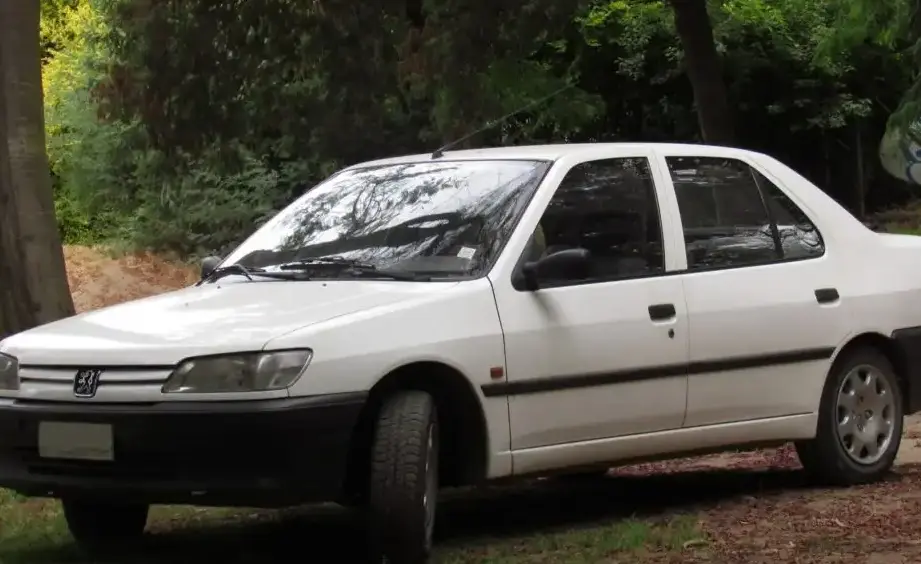
The Peugeot 306 Sedan (7B) 2.0 S16, produced between 1994 and 1997, represented a performance-oriented variant within the 306 sedan range. Positioned as a more engaging and powerful option, it catered to drivers seeking a sportier driving experience compared to the base models. This variant was part of the broader 306 lineup, which aimed to offer a practical and stylish family car, and the sedan body style was particularly popular in certain European and international markets. The 2.0 S16 distinguished itself with a higher-output engine and subtle styling cues, making it a desirable choice for enthusiasts.
Technical Specifications
| Brand | Peugeot |
| Model | 306 |
| Generation | 306 Sedan (7B) |
| Type (Engine) | 2.0 S16 (152 Hp) |
| Start of production | 1994 |
| End of production | 1997 |
| Powertrain Architecture | Internal Combustion engine |
| Body type | Sedan |
| Fuel Type | Petrol (Gasoline) |
| Power | 152 Hp |
| Engine Model/Code | RFY XU10J4Z |
| Engine aspiration | Naturally aspirated engine |
| Engine oil capacity | 4.3 l (4.54 US qt | 3.78 UK qt) |
| Coolant capacity | 7.5 l (7.93 US qt | 6.6 UK qt) |
Powertrain & Engine Architecture
The heart of the 306 Sedan 2.0 S16 is the XU10J4Z engine, a naturally aspirated 2.0-liter inline-four cylinder. This engine is a member of Peugeot’s well-regarded XU series, known for its robustness and tuning potential. The ‘RFY’ engine code specifically denotes a version optimized for performance. It featured a cast iron block and an aluminum cylinder head, incorporating dual overhead camshafts (DOHC) and four valves per cylinder. This 16-valve configuration, hence the “S16” designation, was crucial to achieving the engine’s 152 horsepower output. Fuel delivery was managed by Bosch Motronic MP3.2 multi-point fuel injection, ensuring precise fuel metering for optimal performance and emissions control. The engine’s redline was approximately 6500 rpm. While a five-speed manual transmission was the most common pairing, a four-speed automatic transmission was also available, though less frequently chosen by enthusiasts. The automatic transmission, while offering convenience, did impact acceleration figures compared to the manual.
Driving Characteristics
The 306 Sedan 2.0 S16 offered a noticeably more spirited driving experience than the lower-spec models. With 152 hp and around 148 lb-ft of torque, the sedan could achieve a 0-60 mph time of approximately 8.5 seconds with the manual transmission, and slightly slower with the automatic. The engine provided strong acceleration throughout the rev range, making it suitable for both city driving and highway cruising. The manual transmission offered precise shifts and allowed the driver to fully exploit the engine’s power. The automatic, while smooth, felt less responsive and resulted in some power loss due to the torque converter. The suspension was tuned for a balance between comfort and handling, providing a relatively firm ride without being overly harsh. Steering was precise and well-weighted, contributing to a confident feel behind the wheel. Compared to the 1.6L or 1.8L versions, the 2.0 S16 offered a significant performance upgrade, making it a more engaging and rewarding car to drive.
Equipment & Trim Levels
The 2.0 S16 trim level generally included a higher level of standard equipment compared to the base 306 sedan models. Interior features typically included sport seats with enhanced bolstering, providing better support during cornering. The dashboard featured a sporty instrument cluster with additional gauges, such as a rev counter. Air conditioning, power windows, and central locking were usually standard. Exterior features included alloy wheels, a rear spoiler, and sometimes, subtle body-colored trim elements. Optional extras could include a sunroof, upgraded audio system, and metallic paint finishes. The interior upholstery was typically a cloth material, although leather options were sometimes available as a factory upgrade. The overall interior design was functional and well-built, reflecting Peugeot’s commitment to quality.
Chassis & Braking
The 306 Sedan 2.0 S16 utilized a MacPherson strut front suspension and a torsion beam rear suspension. This setup provided a good balance between ride comfort and handling. The front suspension incorporated an anti-roll bar to reduce body roll during cornering. Braking was typically accomplished with ventilated disc brakes at the front and drum brakes at the rear. Anti-lock Braking System (ABS) was often included as standard equipment, enhancing safety and control during emergency braking situations. The chassis was relatively lightweight, contributing to the car’s agility and responsiveness. The steering system was a power-assisted rack and pinion setup, providing precise and predictable steering feel.
Market Reception & Comparison
The Peugeot 306 Sedan 2.0 S16 was generally well-received by automotive critics. It was praised for its sporty handling, responsive engine, and overall value for money. Compared to rivals such as the Renault 19 16V or the Citroën ZX 2.0i, the 306 S16 offered a compelling combination of performance and practicality. Fuel economy was reasonable for a performance-oriented sedan, averaging around 28-32 mpg in mixed driving conditions. Reliability was generally good, although some owners reported minor issues with the electrical system. The 2.0 S16 was positioned as a step up from the more economical 1.6L and 1.8L models, offering a more engaging driving experience for those willing to pay a premium. It was often seen as a more sensible alternative to full-fledged hot hatches like the Peugeot 306 GTI.
Legacy
The Peugeot 306 Sedan 2.0 S16 has developed a modest following among enthusiasts. The XU10J4Z engine is known for its durability and potential for modification. While not as iconic as the 306 GTI, the 2.0 S16 offers a good balance of performance, practicality, and affordability in the used car market. Parts availability is generally good, although some specific trim pieces may be difficult to find. Well-maintained examples are becoming increasingly rare, and prices have begun to rise as collectors recognize the car’s appeal. The 306 Sedan 2.0 S16 represents a significant chapter in Peugeot’s history, showcasing the brand’s ability to produce stylish, well-engineered, and enjoyable-to-drive cars.